Why Does the Same Ankle Keep Getting Sprained?
Fizyoterapist Aydın Ali · 15 June 2026 · 1 min read
Fizyoterapist Aydın Ali · 15 June 2026 · 1 min read
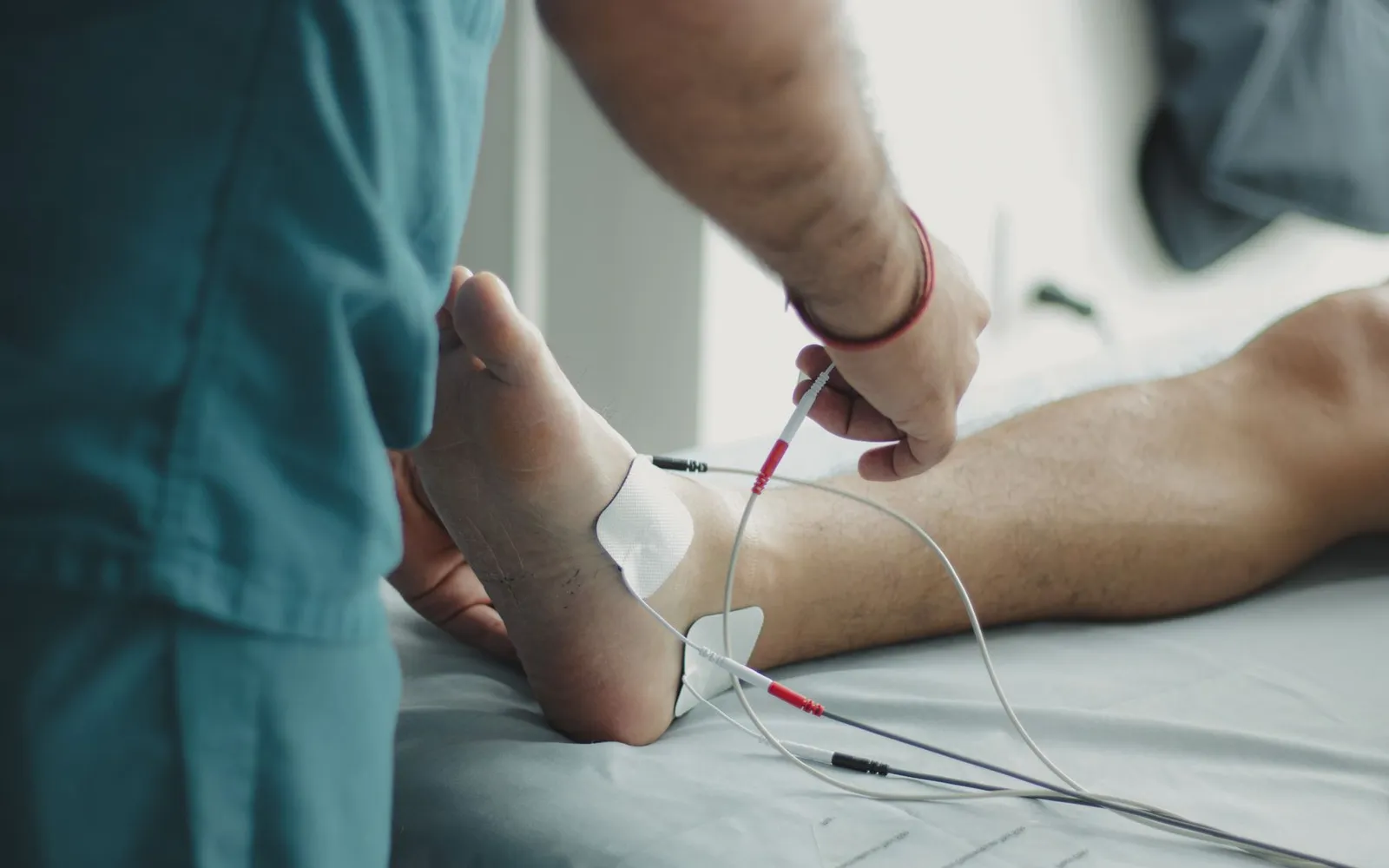
Once the swelling goes down, it feels like treatment is over. But the ankle's sense of balance can stay weak for weeks after the pain has gone.
Many people who sprain an ankle stop treatment on their own once the pain and swelling ease. That's the most common reason the same ankle ends up sprained again and again.
When a sprain happens, the balance-sensing signals around the joint (proprioception) are damaged too. Even once the pain is gone, that sense may not fully return on its own — the ankle's ability to "know where it is" stays weak.
Weakened balance sensing shows up most on uneven surfaces, on stairs, and in moments of distraction — exactly the situations daily life throws up often.
Single-leg balance work, controlled movement on unstable surfaces, and graded strengthening are steps that need to continue even after the swelling has gone.
Fzt. Aydın Ali runs full rehabilitation after an ankle sprain in Bursa Nilüfer that rebuilds both balance and strength. You can book an appointment.

Orthopaedics and Rehabilitation
Chiropractic and manual therapy are often confused. Both are done with the hands, but their approaches and frameworks differ.
6 September 2026 · 2 min read
Orthopaedics and Rehabilitation
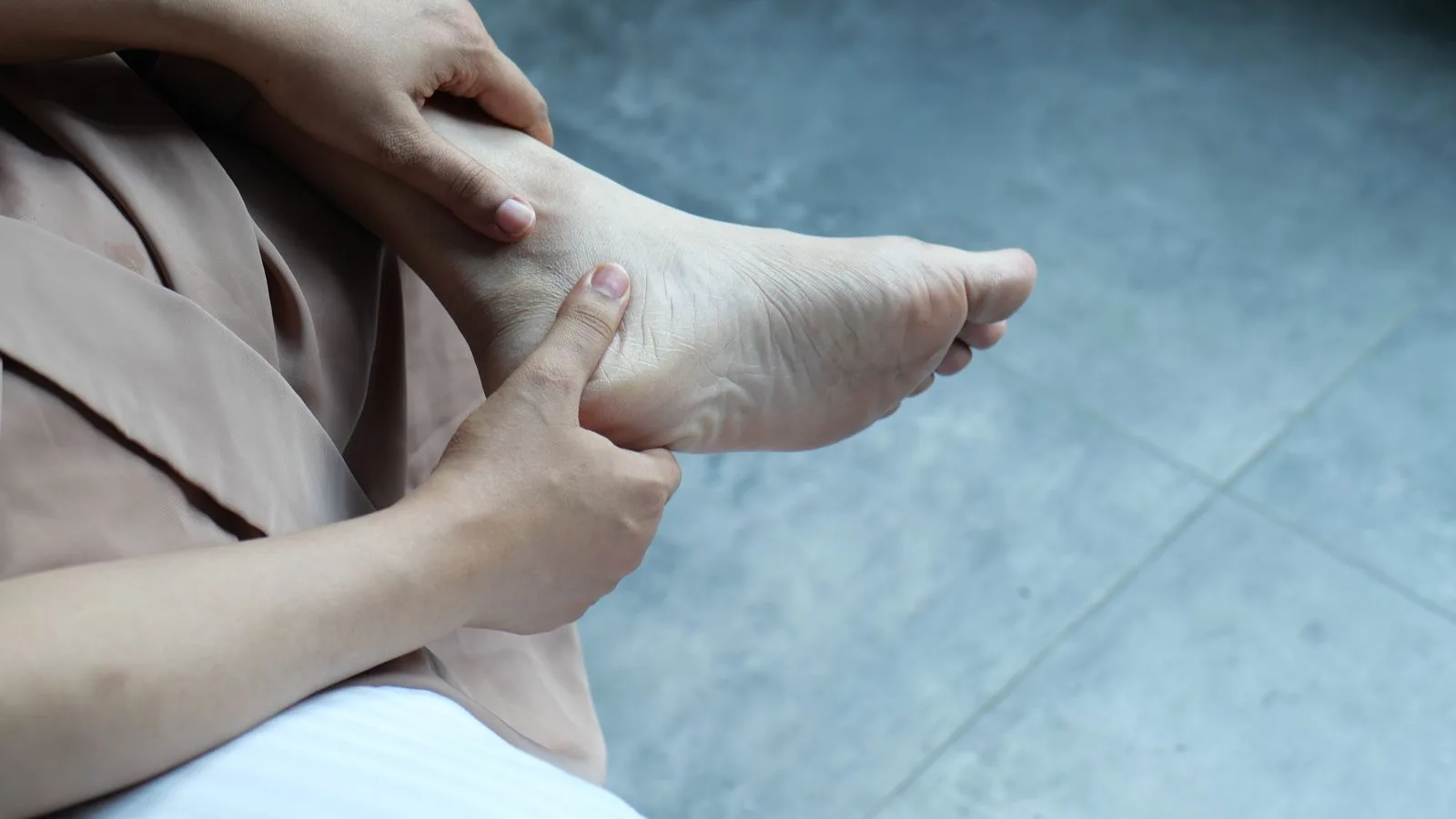
The sharp heel pain on the first step in the morning is often assumed to be a heel spur. But the real name for this condition is plantar fasciitis, and the two aren't the same thing.
6 September 2026 · 2 min read
Orthopaedics and Rehabilitation
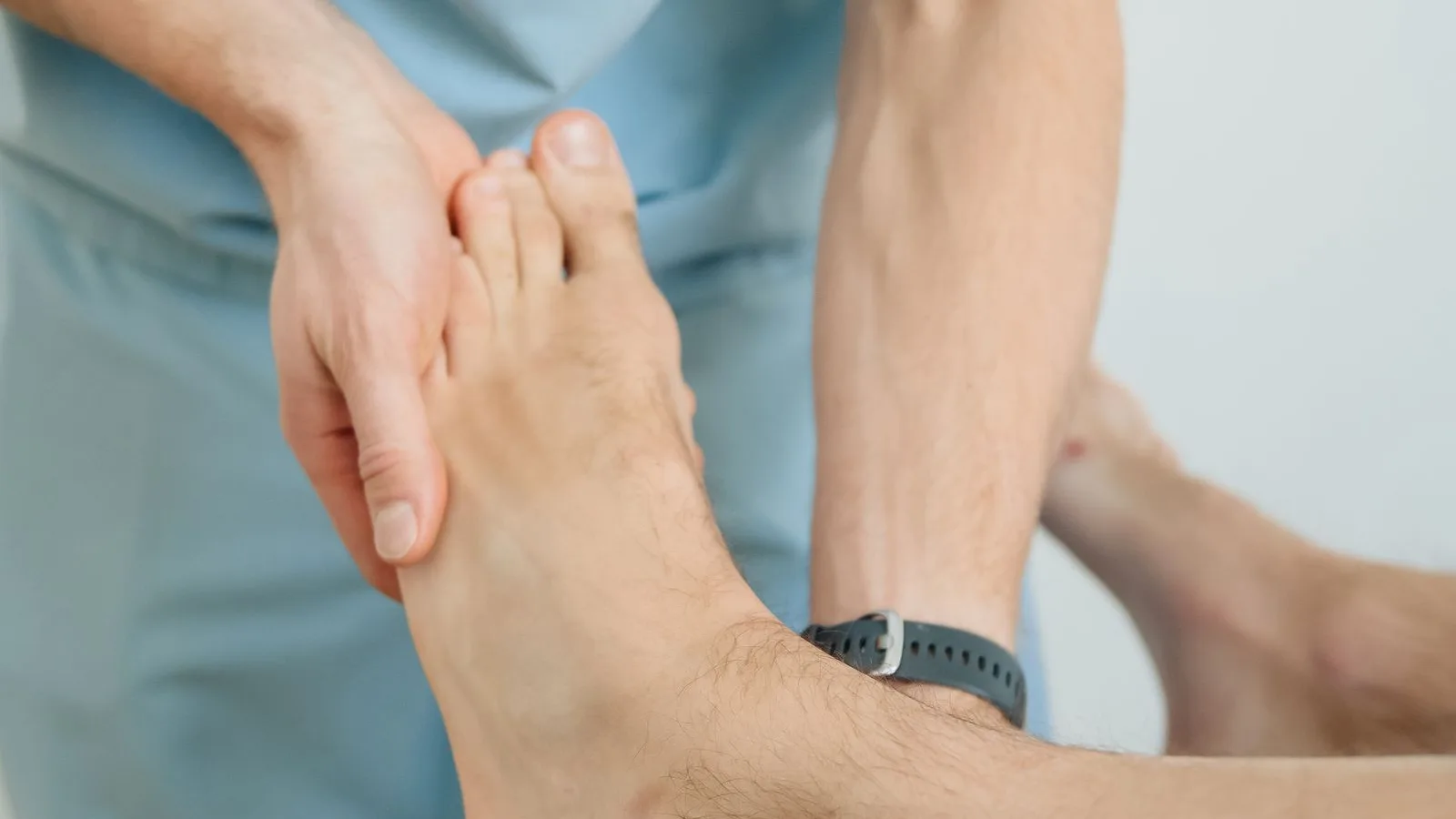
Flat feet aren't a disease in most people and cause no complaint. The real question is whether they're leading to a problem.
6 September 2026 · 1 min read
Balance and strength-focused rehabilitation for sprains, ligament injuries, Achilles problems and heel pain.
For heel pain that bites on the first step of the morning: shockwave, load management and a graded strengthening programme.
For a collapsing arch that causes symptoms: strengthening and load management, not routine intervention.