Skip to content
Fizyoterapist Aydın AliFizyoterapi & Rehabilitasyon

Flat Feet Treatment in Bursa

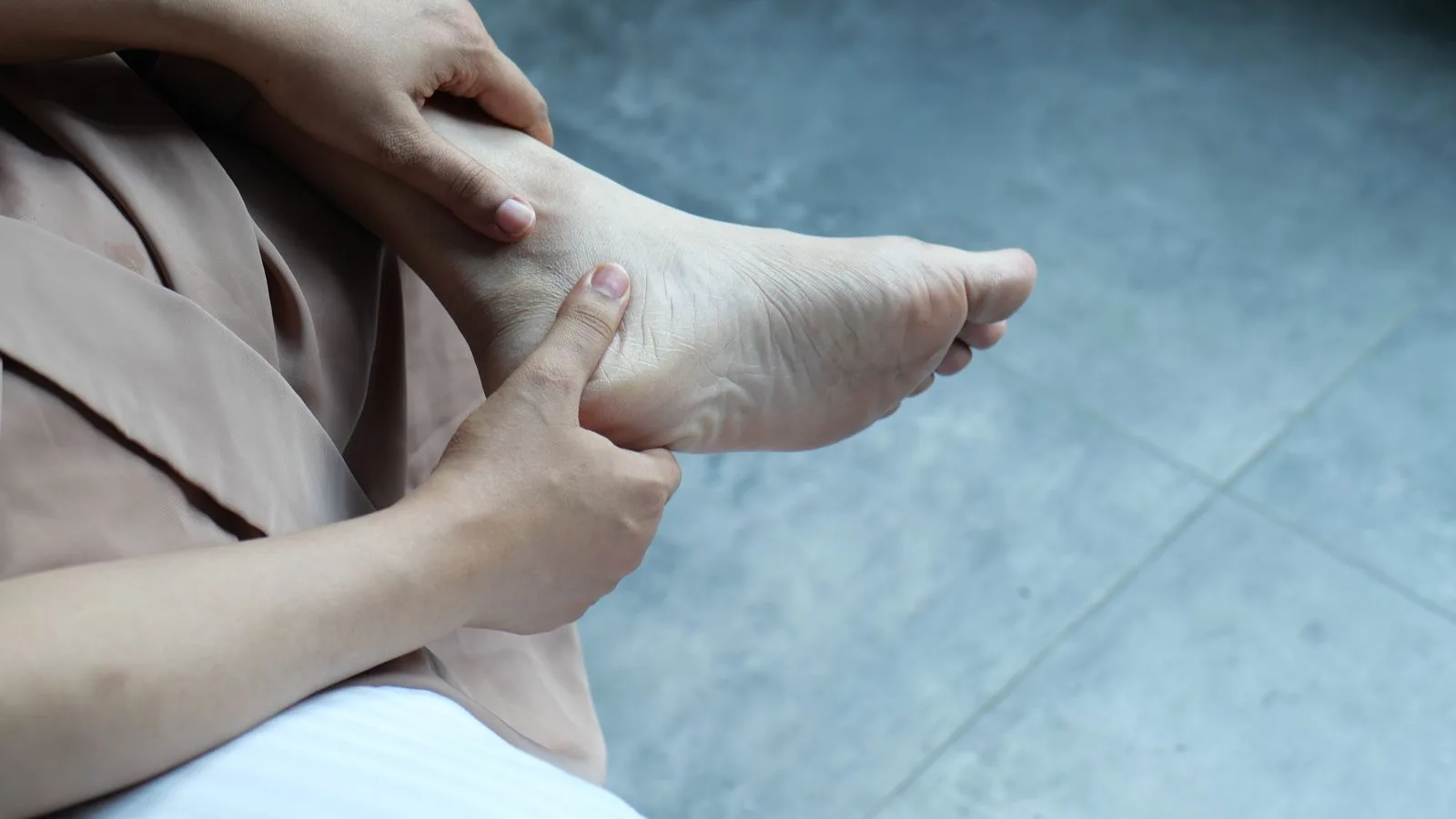
Flat foot means the arch on the inner side of the foot is lower than usual, or collapses under load. The most important fact is this: flat foot is not a disease on its own. It is present in a significant proportion of the population and the great majority causes no symptoms at all. What needs treating is not the shape of the foot but the pain and loss of function that may accompany it. In Bursa Nilüfer, Fizyoterapist Aydın Ali first establishes whether the complaint really relates to the arch.

When is it needed?

  • Pain on the inner edge of the foot and heel that builds with walking
  • Difficulty standing for long, tiring quickly
  • The ankle rolling inwards
  • Calf tightness and a tendency to cramp
  • Accompanying pain on the inner knee and in the hip
  • Marked wear on the inner edge of shoe soles

What we do

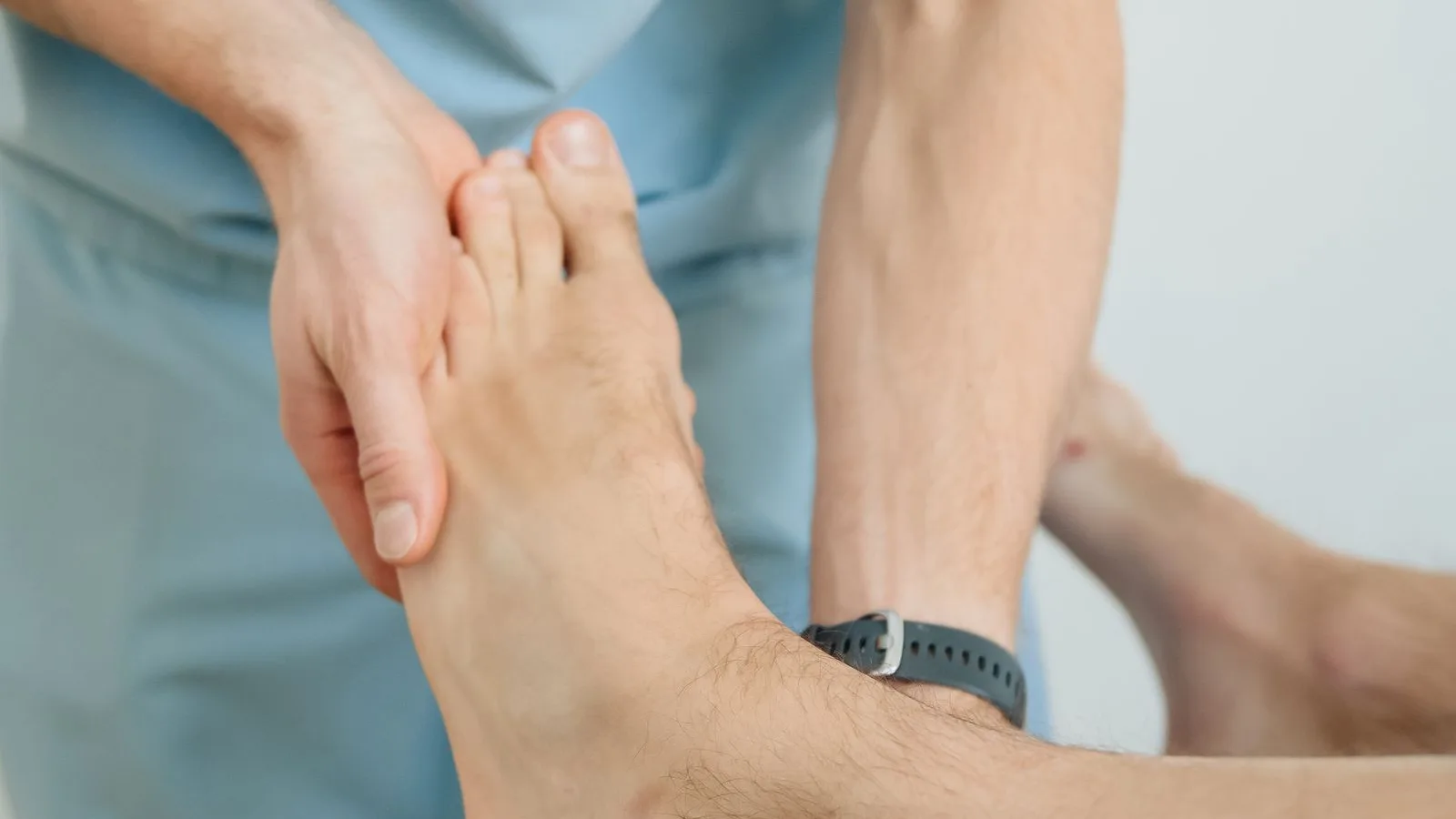
  • Assessing the foot both loaded and unloaded
  • Distinguishing flexible from rigid flat foot
  • Examining gait and shoe wear patterns
  • Strengthening the small intrinsic foot muscles
  • Calf and hip strengthening work
  • Insole assessment and referral where needed
  • Graded adjustment of walking and running volume

Flat Feet in Bursa Nilüfer

Fizyoterapist Aydın Ali provides one-to-one care for flat feet at the clinic in Bursa Nilüfer — in Fethiye Mahallesi, on Kelebek Sokak, at a central point of Nilüfer, opposite the Fethiye covered market.

It is a short trip by car or public transport from İhsaniye, Odunluk, Balat, Özlüce, Ataevler, 23 Nisan and the surrounding areas. Every session is one-to-one, assessment-based and tailored to you.
If your foot is flat but you have no complaint

Flat feet aren't a disease on their own. A large part of the population has them, and the vast majority experience no complaint at all. A foot with no pain and no loss of function has nothing that needs correcting; being different doesn't mean being a problem.

Fizyoterapist Aydın Ali therefore asks not "is the arch low" but "is this arch causing you anything." If there's pain, quick fatigue, or strain reflected into the knee and hip, a programme is built; if not, unnecessary insoles and treatment aren't recommended.

No symptoms, no treatment

The most common misunderstanding about flat feet is that every instance needs intervention. In a foot with no pain and no loss of function there is nothing to correct. Foot shape varies between people; being different is not the same as being a problem.

So the first question is not "is the arch low" but "is this arch causing you anything". If there is pain, quick fatigue or strain referred to the knee and hip, a programme is built; if not, monitoring is advised.

Flexible or rigid?

In a flexible flat foot the arch is visible when unloaded and collapses on standing — rising onto the toes brings the arch back. In a rigid flat foot the arch does not form in any position.

This distinction shapes the entire programme. In the flexible picture strengthening makes a clear difference. In the rigid one the aim is not to create an arch but to reduce pain and distribute load properly; medical assessment is also requested in that case.

Are insoles essential?

An insole can share load during a painful phase and make walking easier, giving clear relief for some people. Used on its own, though, it contributes nothing to strengthening the foot's own muscles.

Current practice addresses both together: an insole is used as support where needed, while strengthening of the intrinsic foot and calf muscles runs alongside. The decision on an insole and its type follows the assessment, and is made with a doctor where appropriate.

Children are a different matter

Almost all young children have a low arch and this is normal; the arch usually develops on its own towards school age. Routine insole use at an early age is therefore not recommended.

However, pain, avoidance of walking, rapid fatigue, one-sided findings or a rigid flat foot all warrant assessment. Fizyoterapist Aydın Ali makes this distinction and refers to an orthopaedic surgeon where needed.

5.0 · 22 Google reviews

Book a one-to-one assessment for flat feet

Fizyoterapist Aydın Ali · Bursa Nilüfer. Share your complaint; we plan the process together after the assessment.

Frequently asked questions

Do flat feet stop you doing sport?

Most flat feet do not limit sport or daily life as long as they cause no symptoms. If pain appears with prolonged walking or running, a programme is built; what decides it is the symptom, not the shape.

Can exercise create an arch?

In a flexible flat foot, strengthening can improve how the arch behaves under load and reduce pain. In a rigid flat foot an arch is not expected to form; the aim is to reduce pain and distribute load properly.

Which shoes should I choose?

Shoes with a firm heel section, a sole that is not excessively soft, and that do not let the foot slide inside are generally more comfortable. The detail is decided at the assessment according to your foot and your symptoms.

Is walking barefoot good for me?

Short periods of barefoot walking indoors work the foot muscles and help most people. Prolonged barefoot walking on hard surfaces during a painful phase, however, can increase symptoms.

Other treatments

  • Heel Pain

    For heel pain that bites on the first step of the morning: shockwave, load management and a graded strengthening programme.

  • Ankle

    Balance and strength-focused rehabilitation for sprains, ligament injuries, Achilles problems and heel pain.

  • Orthopaedic Rehab

    Graded, measurement-based rehabilitation for joint problems and the period after orthopaedic surgery.

Articles on this topic

Book an appointment for Flat Feet

The appointment form does not ask for health information; details are discussed by phone.

Book an appointment