Skip to content
Fizyoterapist Aydın AliFizyoterapi & Rehabilitasyon

Muscle Pain and Muscle Spasm Treatment in Bursa

Muscle pain is one of the most common reasons people come to a physiotherapy clinic. There is often no damage in the muscle itself; the problem is that it has been loaded beyond what it can carry, or for too long. The pain, however, is real and at times severe enough to stop movement altogether. In Bursa Nilüfer, Fizyoterapist Aydın Ali first releases the tension, then addresses why that muscle is constantly overworking.

When is it needed?

  • Hard, knot-like bands you can feel in the muscle
  • Pain that refers elsewhere when a specific point is pressed
  • Sudden cramping that feels like the muscle locking
  • Pain that increases with movement and partly eases with rest
  • Morning stiffness and reduced range in that area
  • The same area tightening again and again

What we do

  • Identifying by palpation which muscle the pain comes from
  • Trigger point and myofascial techniques
  • Manual therapy and Graston technique where indicated
  • GTOS therapy to lower muscle tone where appropriate
  • Movement and stretching work immediately after the application
  • Strengthening the muscles that should be sharing the load
  • Review of sleep, fluid intake and daily movement patterns

Muscle Pain in Bursa Nilüfer

Fizyoterapist Aydın Ali provides one-to-one care for muscle pain at the clinic in Bursa Nilüfer — in Fethiye Mahallesi, on Kelebek Sokak, at a central point of Nilüfer, opposite the Fethiye covered market.

It is a short trip by car or public transport from İhsaniye, Odunluk, Balat, Özlüce, Ataevler, 23 Nisan and the surrounding areas. Every session is one-to-one, assessment-based and tailored to you.
If massage helps for two days, then wears off

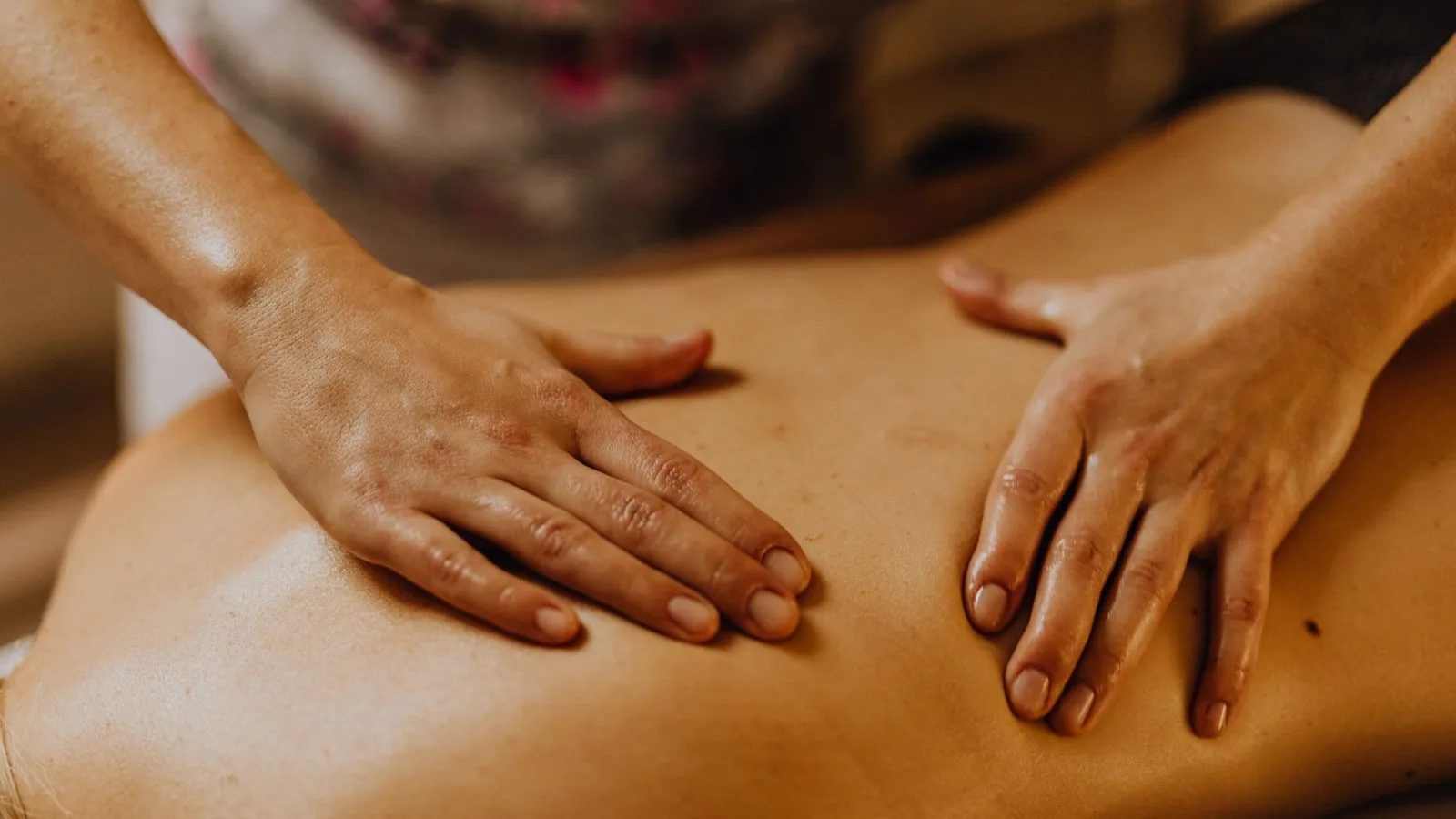
This is one of the most common things heard in the clinic, and it actually describes the problem itself. Release techniques relax the muscle but don't change why that muscle keeps overworking; as long as the workload distribution stays the same, tightness comes back within a few days.

Fizyoterapist Aydın Ali combines the technique with exercise in the same session: the range of motion gained through manual therapy and trigger-point work is put to use immediately, then the muscles that should be sharing the load are trained. The lasting difference happens here, not in the technique itself.

Why is it always the same spot?

This is the most common question in muscle pain, and the answer is usually that the muscle is continuously doing a job that is not its own. The muscles between neck and shoulder carry the weight of the head alone if scapular control is lacking. Back muscles work extra on every bend if the hip muscles are weak.

Release techniques settle that muscle but do not change the division of labour, which is why the tension returns within days. The lasting difference appears only once the muscles that should share the load get stronger.

What is a trigger point?

A trigger point is a hypersensitive, taut area within a muscle. What distinguishes it is that pressing on it produces pain that does not stay local but spreads along a defined path — pressing a point on the top of the shoulder sending pain to the temple, for example. That referral pattern is used directly to find the source.

So the place the pain is felt is not always the place the problem sits. Pain at the side of the head may come from a neck muscle, pain spreading to the elbow from a shoulder muscle. Mapping this is the first job of the assessment.

What happens after the application?

The most commonly wasted part of manual treatment is the minutes immediately afterwards. When tension drops, the area gains range it cannot normally reach; if that range is not used it returns to baseline within days.

The programme therefore combines application and exercise in the same session. The range gained is used straight away, then consolidated through the home programme. "I had a massage, it helped for two days then wore off" usually points to this missing step.

Not every muscle pain is muscular

Some pictures begin like muscle pain but come from elsewhere. Pain spread across wide areas of the body, lasting months and accompanied by fatigue, suggests fibromyalgia. Pain following a defined path with numbness may be nerve-related. Some medications — cholesterol drugs in particular — can cause widespread muscle pain.

Fizyoterapist Aydın Ali makes this distinction at the first assessment. With findings such as fever, unexplained weight loss, dark urine or sudden widespread muscle weakness, a medical assessment is requested before physiotherapy begins.

5.0 · 22 Google reviews

Book a one-to-one assessment for muscle pain

Fizyoterapist Aydın Ali · Bursa Nilüfer. Share your complaint; we plan the process together after the assessment.

Frequently asked questions

What helps a muscle spasm?

In an acute spasm, heat, gentle movement and short rest bring relief for most people. The lasting solution lies in addressing why the spasm happened: which muscle is overworking, and who should be sharing that load.

Is massage enough?

Massage reduces tension and feels good, but because it does not change load distribution its effect is usually short-lived. The exercise done afterwards is what makes the difference last.

Does drinking water prevent cramps?

Fluid and mineral deficits play a role in some cramps, so adequate hydration helps. In most recurring muscle pain, though, the deciding factors are loading patterns and muscle strength rather than fluid.

How many sessions does it take?

For a recent complaint limited to one area, marked relief usually comes within a few sessions. In long-standing, recurring pictures the timeframe depends on how long the strengthening phase takes; that is planned at the first assessment.

Other treatments

  • Dry Needling

    A thin needle applied to trigger points in the muscle to reduce tension and pain and open the way for exercise.

  • GTOS Therapy

    A device-assisted manual technique aimed at reducing muscle tension through the sensory organ in the tendon.

  • Manual Therapy

    Hands-on techniques applied to joints and soft tissue, combined with exercise for a result that lasts.

Articles on this topic

  • Kaslara uygulanan masaj ve gevşetme

    Pain and Quality of Life

    What Helps a Muscle Spasm?

    A muscle spasm is an involuntary, sudden and painful contraction. Most are harmless and ease quickly with simple measures.

    2 September 2026 · 2 min read

  • Klinik iç mekânı ve çalışma alanı

    Pain and Quality of Life

    The Effects of Prolonged Sitting on Back Health, and Micro-Breaks

    Even perfect posture becomes a problem when it's held for hours. What the lower back needs isn't "perfect posture" — it's posture that changes at regular intervals.

    20 August 2026 · 2 min read

  • Evde uygulanabilen kademeli egzersiz programı

    Pain and Quality of Life

    How to Apply Pacing in Fibromyalgia

    Doing too much on a good day and nothing on a bad one is the most common mistake in fibromyalgia. Pacing replaces that boom-and-bust pattern with a measured, pre-set tempo.

    20 August 2026 · 2 min read

Book an appointment for Muscle Pain

The appointment form does not ask for health information; details are discussed by phone.

Book an appointment