Skip to content
Fizyoterapist Aydın AliFizyoterapi & Rehabilitasyon

ACL Rehabilitation in Bursa

An ACL injury usually happens in a non-contact moment: a sudden change of direction, a poor landing after a jump, the knee collapsing inwards. People often describe hearing a pop and feeling the knee give way. What decides the outcome here is not the operation alone; preparation beforehand and how carefully rehabilitation is run afterwards matter at least as much. In Bursa Nilüfer, Fizyoterapist Aydın Ali runs this process on measurement, not on dates.

When is it needed?

  • A pop heard at the moment of injury and rapid swelling
  • The knee giving way when changing direction
  • Not trusting the knee, avoiding loading that leg
  • Difficulty fully straightening or fully bending the knee
  • Visible wasting of the front thigh muscle
  • Growing lack of confidence going down stairs

What we do

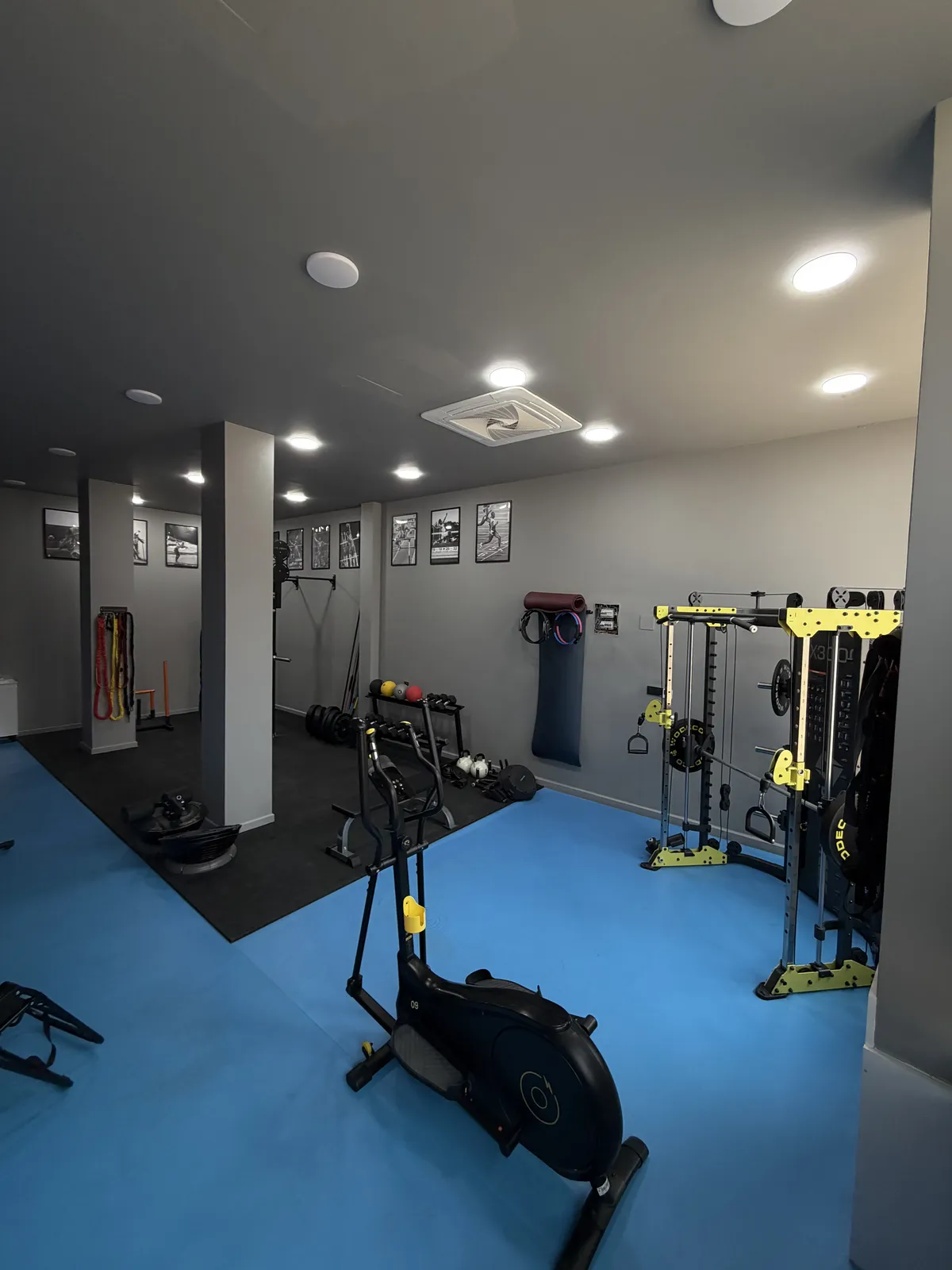
  • Assessment of knee range, swelling and gait
  • Pre-surgery preparation (prehabilitation) programme
  • Graded strengthening for the front and back thigh muscles
  • Balance and position sense (proprioception) work
  • Regular measurement of the strength difference between legs
  • Re-teaching jumping, landing and change-of-direction technique
  • Test-based return to sport assessment

ACL Injury in Bursa Nilüfer

Fizyoterapist Aydın Ali provides one-to-one care for acl injury at the clinic in Bursa Nilüfer — in Fethiye Mahallesi, on Kelebek Sokak, at a central point of Nilüfer, opposite the Fethiye covered market.

It is a short trip by car or public transport from İhsaniye, Odunluk, Balat, Özlüce, Ataevler, 23 Nisan and the surrounding areas. Every session is one-to-one, assessment-based and tailored to you.
Don't let the weeks before surgery go to waste

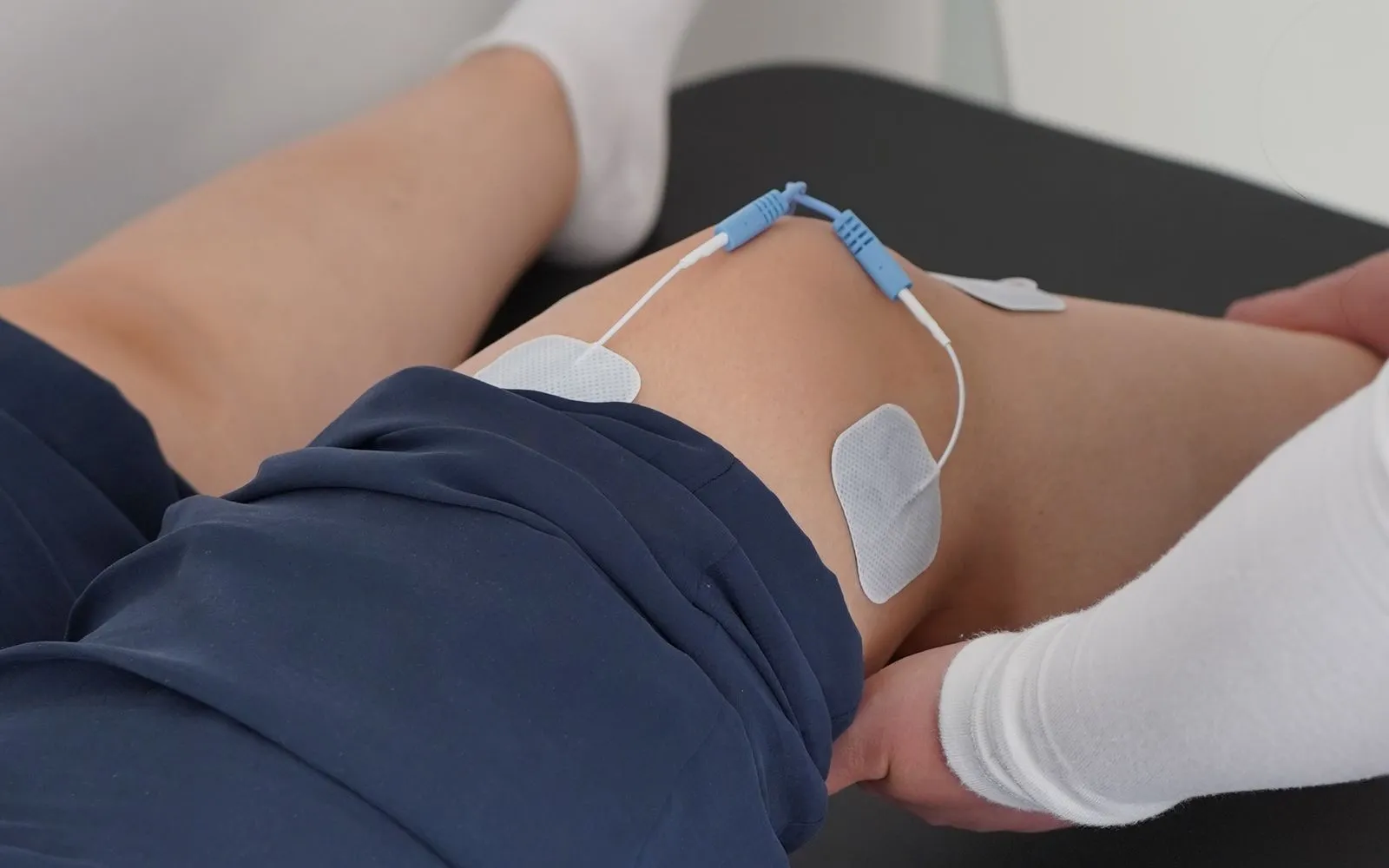
In an ACL injury, the time spent waiting for the surgery date often goes unused. Yet going into surgery with the swelling down, full range of motion and a working front-thigh muscle directly changes the starting point of the process afterward.

Fizyoterapist Aydın Ali brings pain and swelling under control during this period, restores full knee range of motion, and regains quadriceps activation. The surgery decision and date belong to your physician; making good use of these weeks is physiotherapy's job.

Why the period before surgery matters so much

Going into surgery with the swelling down, full range of motion and a working quadriceps directly affects how the post-operative period unfolds. Entering surgery with a swollen, restricted knee raises the risk of stiffness afterwards.

This period is called prehabilitation and is often skipped — yet a few weeks of good preparation change the starting point of a process that will run for months. The decision to operate and its timing belong to the orthopaedic surgeon; the preparation period is physiotherapy's job.

The quadriceps: strength lost quietly

After an ACL injury the quadriceps weakens rapidly, and that loss is measurable before it becomes visible. More importantly, the difference can persist for months even after someone is walking pain-free.

Progress is therefore tracked not by "I have no pain and walk comfortably" but by the strength difference between the legs. Later stages are not started before a defined ratio to the uninjured side is reached — a threshold that directly affects re-injury risk.

Return to sport: tests, not dates

"It has been six months, you can go back now" is a common approach but not sufficient on its own. The calendar advances at the same rate for everyone; healing does not. Current practice ties the return decision to a set of measurable tests: single-leg hop distances, strength ratios, video assessment of landing technique.

Returning early without passing these tests is one of the best-known causes of re-injury. Fizyoterapist Aydın Ali ties the decision to these measurements and shares the results with you — you know which thresholds you have passed and which are still missing.

Does every tear need surgery?

No. Age, the sport you play, how often the knee gives way and any accompanying meniscus injury all shape the decision. Some people who are not aiming to return to cutting sports reach a functional knee without surgery through a well-run rehabilitation programme.

That decision belongs to the orthopaedic surgeon. Physiotherapy's role is to get the knee into the best possible state for whichever path is chosen.

The other knee is part of the programme too

After an ACL injury, re-injury risk rises not only in the operated knee but in the opposite one. The reason is usually not the ligament but the movement pattern that lets the knee collapse inwards during jumping and landing — and that pattern exists on both sides.

The programme therefore does not focus on one leg. Landing technique, hip control and change-of-direction mechanics are trained on both.

5.0 · 22 Google reviews

Book a one-to-one assessment for acl injury

Fizyoterapist Aydın Ali · Bursa Nilüfer. Share your complaint; we plan the process together after the assessment.

Frequently asked questions

How long does rehabilitation take?

Return to sport is generally measured in months and varies between people. What decides it is not elapsed time but passing the strength, balance and technique thresholds tracked by measurement.

Can I play sport without surgery?

For some people, in sports without cutting or contact, this is possible. The decision is made by an orthopaedic surgeon after weighing your age, your sport, how often the knee gives way and any accompanying injuries.

Why does my knee still give way?

A giving-way sensation does not always mean the ligament is failing; a strength deficit in the quadriceps and loss of position sense produce the same feeling. That distinction is made by measurement and sets the direction of the programme.

How soon after surgery does physiotherapy start?

The starting point and early restrictions follow the protocol of the surgeon who operated. The programme is built to match that protocol and run in communication with them throughout.

Other treatments

  • Meniscus Tear

    For meniscus tears, with or without surgery: graded rehabilitation that makes the knee trustworthy again.

  • Knee Rehabilitation

    Strength-focused rehabilitation for meniscus and ligament injuries, cartilage wear and the period after surgery.

  • Sports Rehab

    Injury rehabilitation and criteria-based return to play for athletes at every level.

Articles on this topic

Book an appointment for ACL Injury

The appointment form does not ask for health information; details are discussed by phone.

Book an appointment