Skip to content
Fizyoterapist Aydın AliFizyoterapi & Rehabilitasyon

Herniated Disc (Lower Back) Treatment

A herniated disc occurs when the disc between two vertebrae shifts and presses on a nerve root; for most people it shows up as back pain, pain travelling down the leg, or numbness. Fizyoterapist Aydın Ali approaches lumbar disc herniation in Bursa Nilüfer by first assessing where the pain actually comes from, then building an exercise programme around that finding.

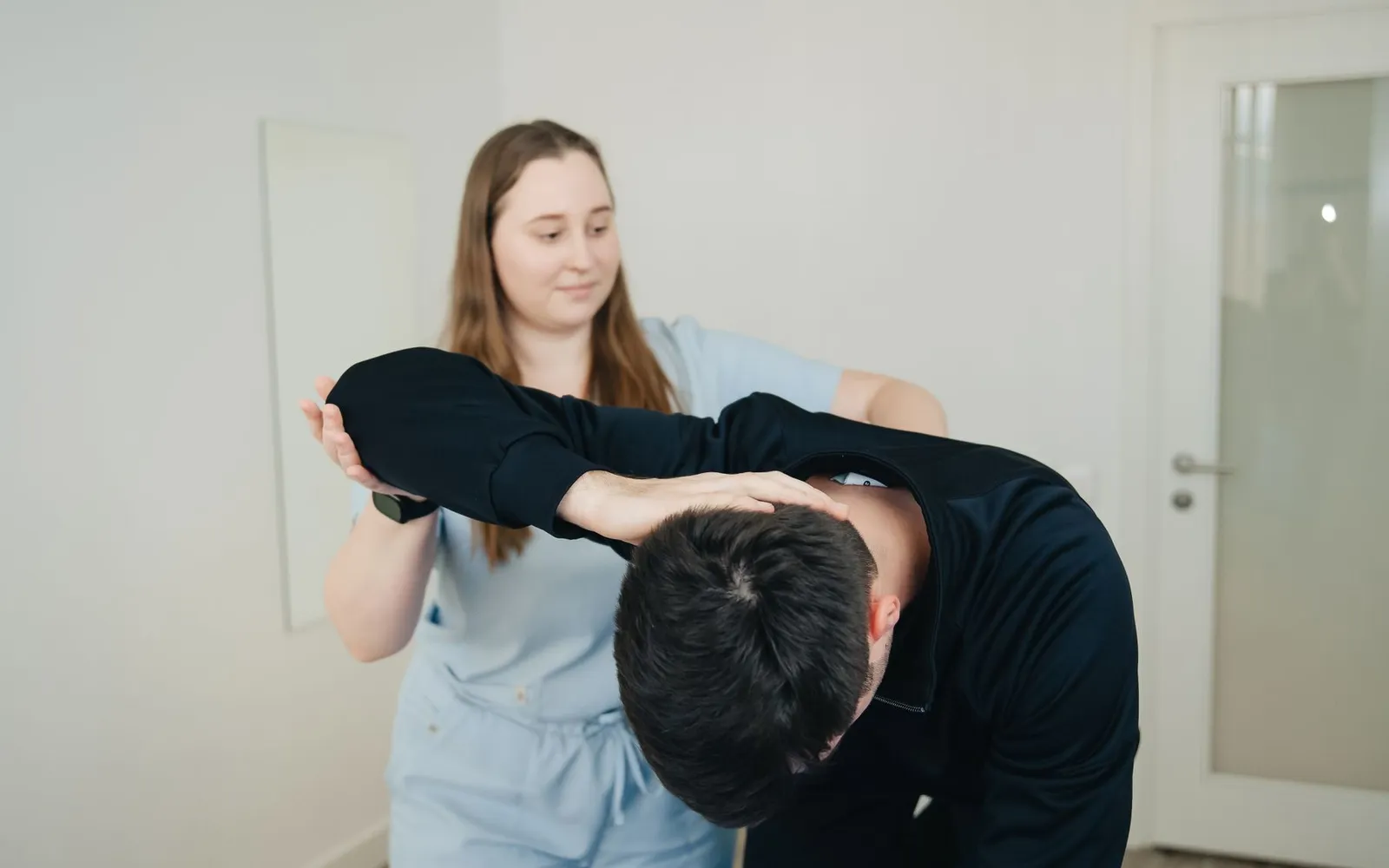
Exercise and manual therapy applied to the lower back

When is it needed?

  • Sharp lower back pain that worsens when bending forward
  • Pain radiating from the hip down the leg (sciatica)
  • Numbness or pins and needles in the leg or foot
  • Symptoms that increase with long periods of sitting or driving
  • Back pain that flares when coughing or sneezing

What we do

  • Detailed physiotherapy assessment and movement analysis
  • Electrotherapy for pain management where appropriate
  • Manual therapy for joints and soft tissue
  • Lumbar stabilisation (core) exercises
  • Posture education and daily-life adjustments
  • A written home exercise programme with regular follow-up

Herniated Disc in Bursa Nilüfer

Fizyoterapist Aydın Ali provides one-to-one care for herniated disc at the clinic in Bursa Nilüfer — in Fethiye Mahallesi, on Kelebek Sokak, at a central point of Nilüfer, opposite the Fethiye covered market.

It is a short trip by car or public transport from İhsaniye, Odunluk, Balat, Özlüce, Ataevler, 23 Nisan and the surrounding areas. Every session is one-to-one, assessment-based and tailored to you.


Surgery or physiotherapy?

The large majority of lumbar disc herniations improve without surgery, through an exercise-based physiotherapy programme; surgery is considered only for selected, urgent situations such as progressive muscle weakness or loss of bladder/bowel control, and the decision is made by a physician. The table below compares the two paths.

AspectPhysiotherapy (non-surgical)Surgery
Who it is forMost cases without urgent nerve signsSelected cases: progressive weakness, cauda equina syndrome, resistant pain lasting months
GoalReduce pain, restore movement and strength, prevent recurrenceSurgically relieve pressure on the nerve
ProcessOne-to-one sessions + home exercise programme, gradual over weeksOperation followed by rehabilitation
Who decidesPlanned from the physiotherapy assessmentNeurosurgeon/spine surgeon or orthopaedic physician
The decision is individual; this table is a general framework and does not replace a physician's assessment.

How does the process work?

In the first session we listen to your history, review any imaging reports you bring, and carry out a detailed physiotherapy assessment. The aim is not only to reduce pain temporarily but to change the movement habit that produces it.

The programme usually begins by bringing pain under control, then moves gradually into strengthening and functional exercise. Every session is one-to-one.

Preventing recurrence

The most critical stage of a disc problem is the period after symptoms settle. A home exercise programme written for you, adjustments to your working environment and correct lifting technique are an inseparable part of that stage.

5.0 · 22 Google reviews

Book a one-to-one assessment for herniated disc

Fizyoterapist Aydın Ali · Bursa Nilüfer. Share your complaint; we plan the process together after the assessment.

Frequently asked questions

How many sessions does physiotherapy take?

It depends on how long you have had the problem, how severe it is and your general condition. After the assessment a plan is drawn up for you and reviewed at regular intervals.

Can I recover without surgery?

A significant proportion of disc herniation cases can be managed with an appropriate physiotherapy and exercise programme. The decision about surgery always belongs to your doctor.

Do I need a referral or a report?

No referral is needed for an assessment. If you have MRI or X-ray reports, bringing them speeds the process up.

Further reading

Independent, authoritative health sources. For information only; not a substitute for medical advice.

Other treatments

  • Sciatica

    For pain travelling from the back into the hip and leg: assessment that identifies the source, then graded exercise.

  • Low Back Pain

    For back pain that persists without a clear imaging finding: a programme that looks for the source.

  • Manual Therapy

    Hands-on techniques applied to joints and soft tissue, combined with exercise for a result that lasts.

Articles on this topic

Book an appointment for Herniated Disc

The appointment form does not ask for health information; details are discussed by phone.

Book an appointment