Skip to content
Fizyoterapist Aydın AliFizyoterapi & Rehabilitasyon

Graston Technique

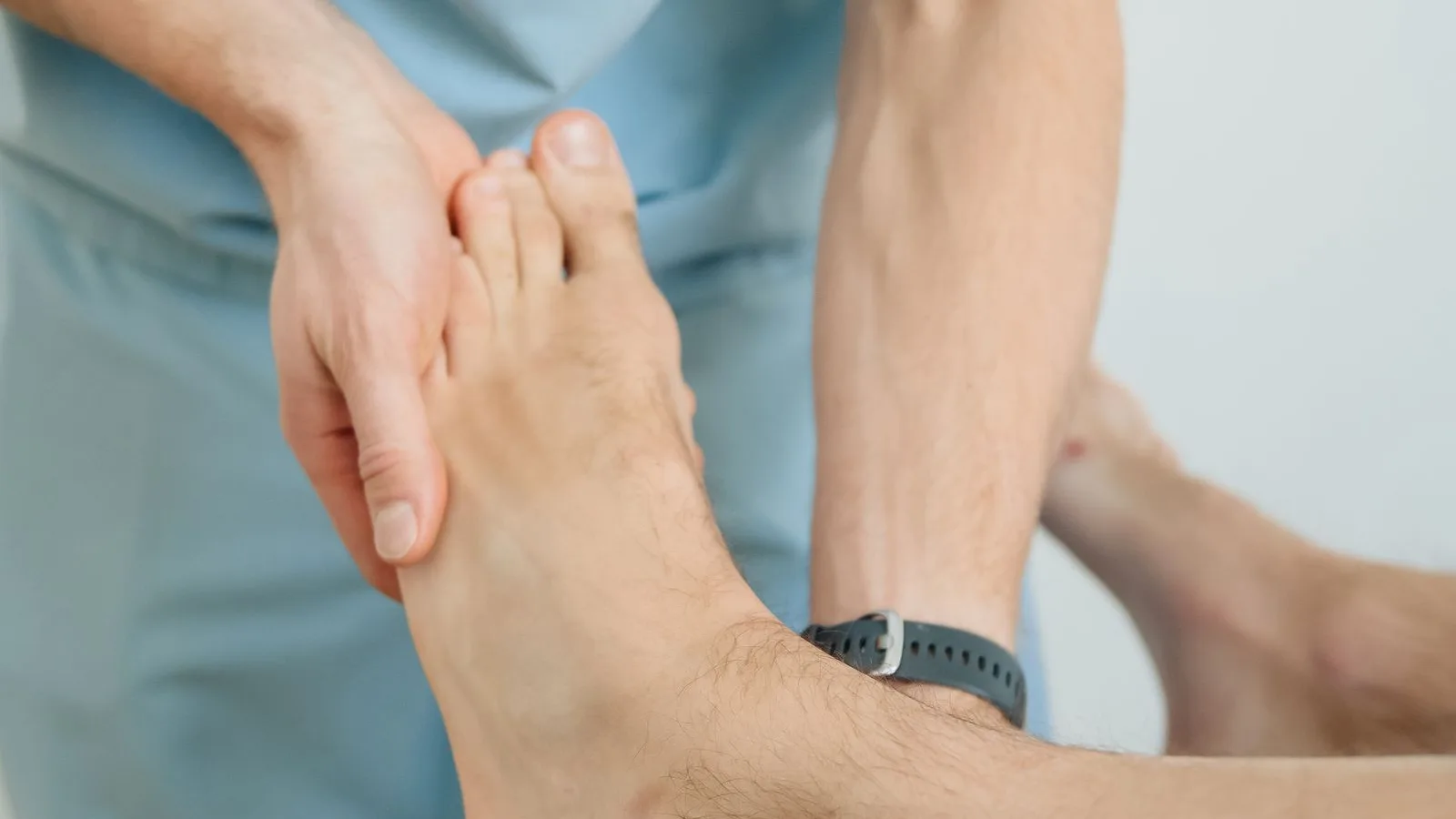
The Graston technique is a mobilisation method applied to soft tissue — muscle, tendon and fascia — with stainless-steel instruments. In the international literature it falls under IASTM (instrument-assisted soft tissue mobilisation). Fizyoterapist Aydın Ali does not use it as a standalone treatment but as one stage aimed at reaching the source of a movement restriction; every session is completed with exercise.

A soft-tissue mobilisation technique applied by hand

When is it needed?

  • Chronic tendon complaints (tennis elbow, Achilles problems)
  • Scar tissue following surgery or injury
  • Fascia-related movement restriction and tightness
  • Muscle stiffness that has not resolved over a long period
  • Soft-tissue complaints linked to repetitive strain

What we do

  • Assessment to locate the restricted area
  • Instrument-assisted soft tissue mobilisation
  • Stretching and mobility work following the application
  • Region-specific strengthening exercises
  • A home programme to follow between sessions

Graston Technique in Bursa Nilüfer

Fizyoterapist Aydın Ali provides one-to-one care for graston technique at the clinic in Bursa Nilüfer — in Fethiye Mahallesi, on Kelebek Sokak, at a central point of Nilüfer, opposite the Fethiye covered market.

It is a short trip by car or public transport from İhsaniye, Odunluk, Balat, Özlüce, Ataevler, 23 Nisan and the surrounding areas. Every session is one-to-one, assessment-based and tailored to you.
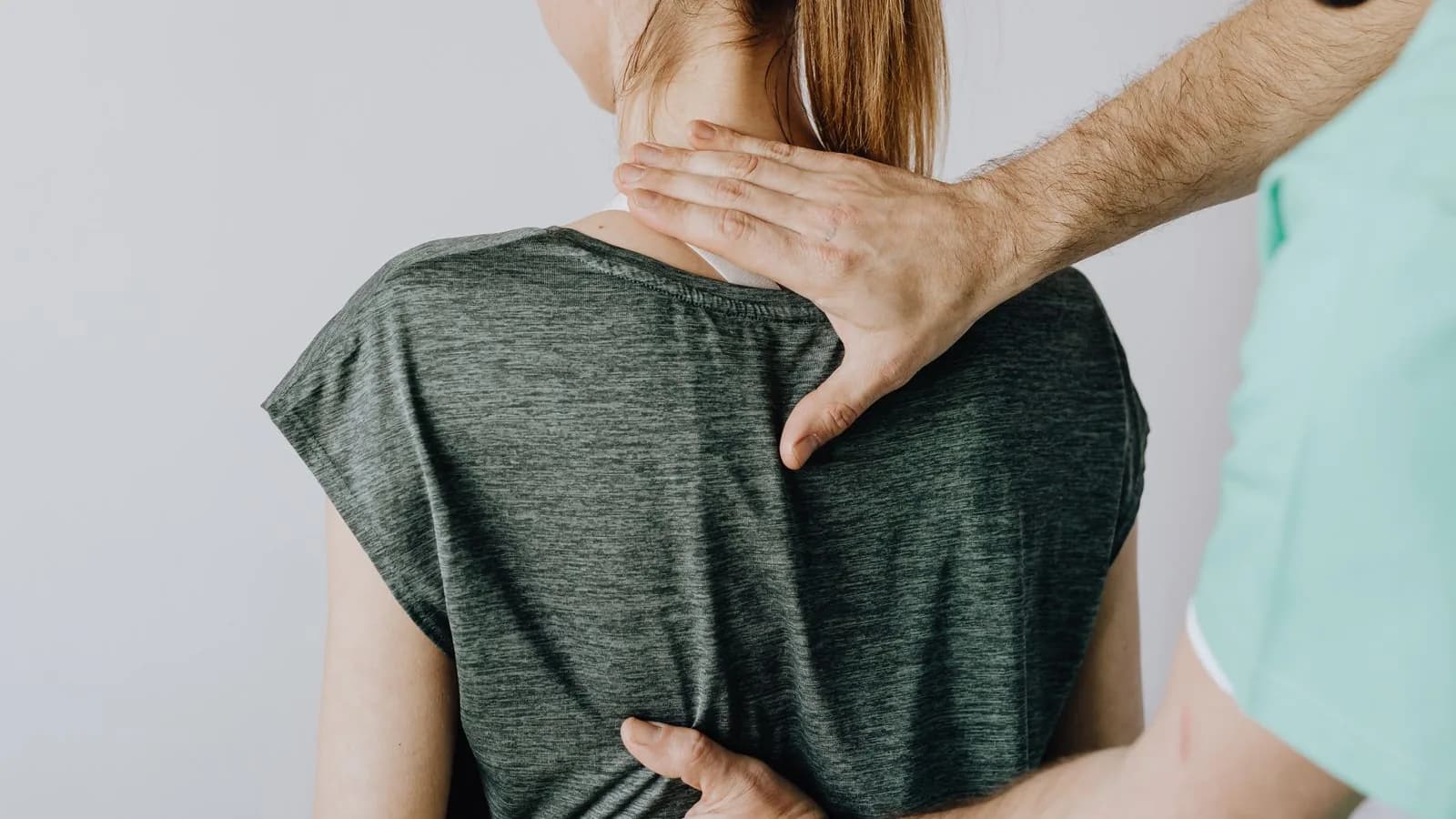
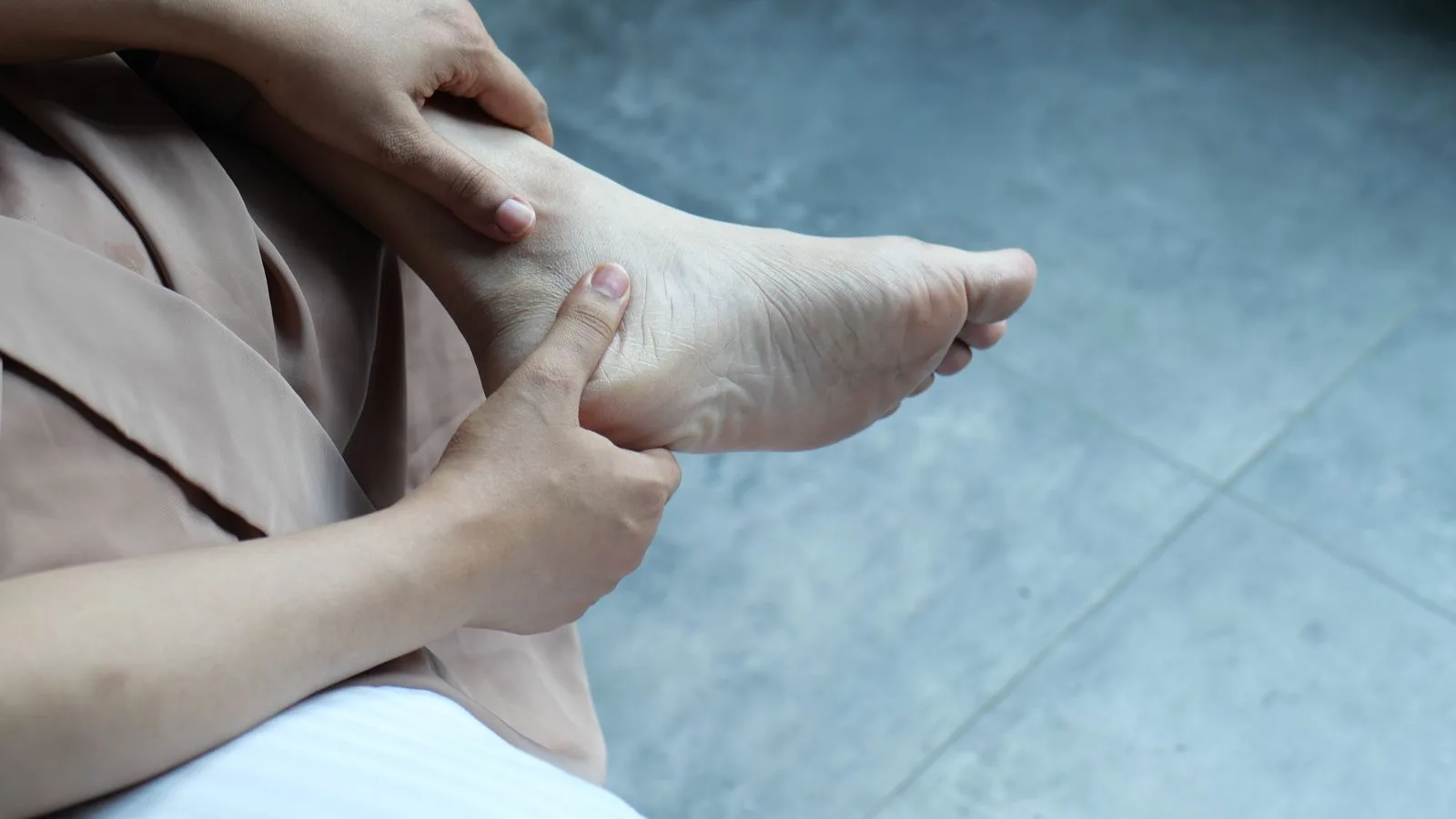
If massaging the same point brings no lasting relief

In long-standing back, neck and shoulder complaints, hardened bands form in the tissue that can be felt by hand. Surface-level release brings temporary relief in these bands; a few days later the same point becomes tender again in the same way.

Fizyoterapist Aydın Ali uses Graston tools to find these bands and work on them in a controlled way. Mild tenderness during application is an expected response. It isn't enough on its own: in the same session, why that area is being overloaded is identified, and if that load isn't distributed through exercise, the complaint returns.

Why use an instrument?

The instrument's firm edge makes tissue restrictions that are hard to feel by hand easier to detect, and lets pressure be directed onto a narrow area. The aim is not to force the tissue but to work the restricted region in a targeted way.

Is it enough on its own?

No. For the movement gained to be kept, that region needs to learn to work through its new range — which is why Graston work is always built into an exercise programme.

5.0 · 22 Google reviews

Book a one-to-one assessment for graston technique

Fizyoterapist Aydın Ali · Bursa Nilüfer. Share your complaint; we plan the process together after the assessment.

Frequently asked questions

Does the Graston technique hurt?

You will feel pressure and tension during the application. How much discomfort varies by person and region; it should never be unbearable, and telling the therapist the moment it feels uncomfortable is enough to adjust it.

Does it cause bruising afterwards?

Some people notice temporary redness or light bruising in the treated area. This is an expected response and its extent is adjusted through the dose of the application.

Other treatments

  • Manual Therapy

    Hands-on techniques applied to joints and soft tissue, combined with exercise for a result that lasts.

  • Tennis Elbow

    For pain on the outer elbow that flares with gripping: a graded tendon-loading programme that rebuilds grip strength.

  • ESWT (Shock Wave)

    Shock wave therapy for chronic tendon and heel complaints, used as part of the programme.

Articles on this topic

Book an appointment for Graston Technique

The appointment form does not ask for health information; details are discussed by phone.

Book an appointment