Skip to content
Fizyoterapist Aydın AliFizyoterapi & Rehabilitasyon

Upper and Mid Back Pain Treatment in Bursa

Upper back pain is talked about less than low back and neck pain, but it is no less common. Its most familiar form is a dull ache between the shoulder blades that is mild in the morning and builds as the day goes on. This picture usually relates to the middle section of the spine losing mobility and the load shifting onto the surrounding muscles. In Bursa Nilüfer, Fizyoterapist Aydın Ali first establishes whether the pain really is musculoskeletal, then builds a programme addressing mobility and strength together.

When is it needed?

  • Dull, pressure-like pain between the shoulder blades
  • Symptoms that build towards the end of the day and with long sitting
  • Pain that sharpens on a deep breath or when coughing
  • Difficulty drawing the shoulders back and standing tall
  • A knotted feeling in the back, tender points on pressure
  • Neck and shoulder pain accompanying it

What we do

  • Red flag screening and detailed physiotherapy assessment
  • Measuring mobility in the mid (thoracic) spine
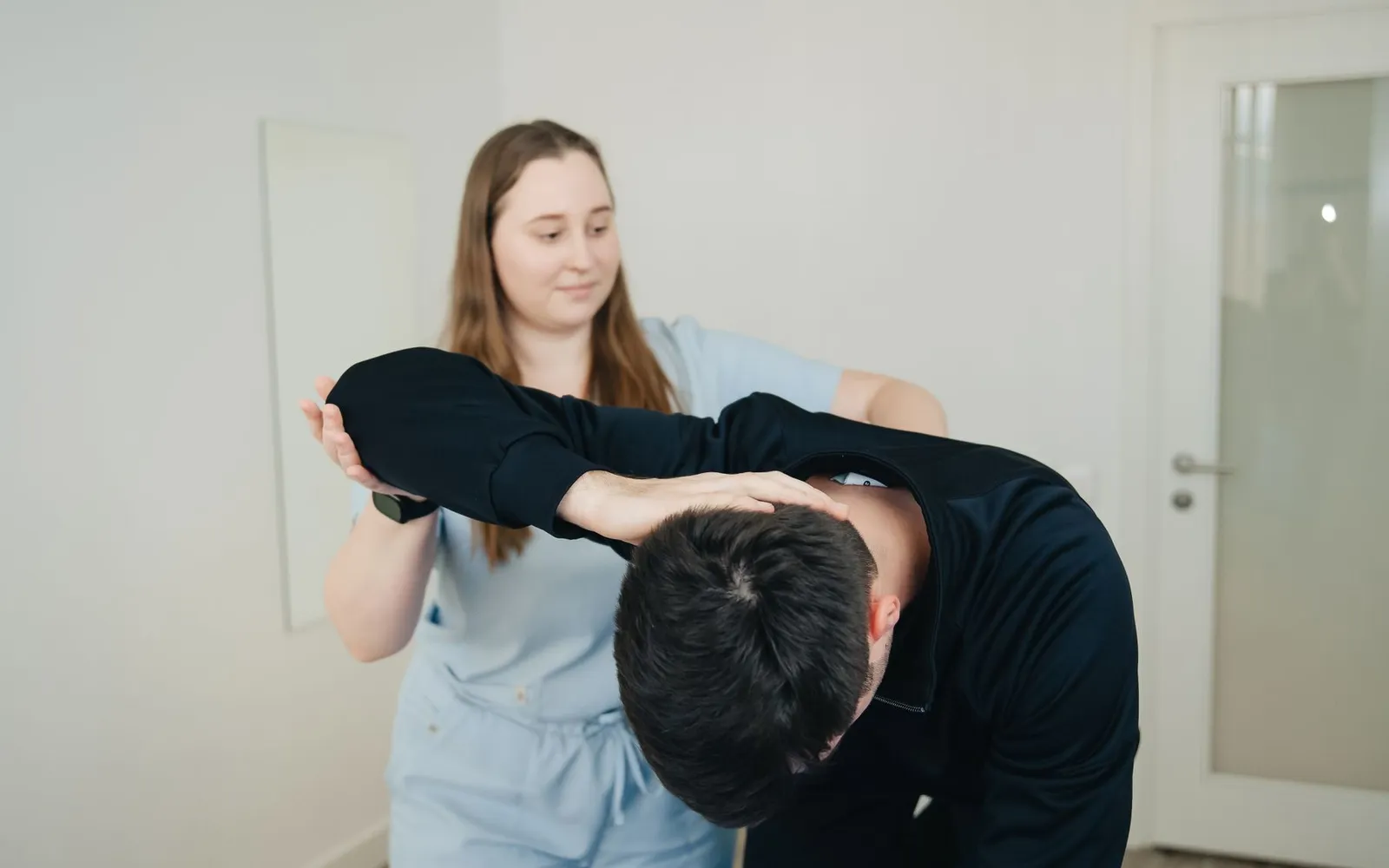
  • Manual therapy for the joints and soft tissue
  • Trigger point and myofascial techniques
  • Thoracic mobility and breathing work
  • Strengthening of the scapular and back muscles
  • Adjustments to workstation, screen height and break planning

Back Pain in Bursa Nilüfer

Fizyoterapist Aydın Ali provides one-to-one care for back pain at the clinic in Bursa Nilüfer — in Fethiye Mahallesi, on Kelebek Sokak, at a central point of Nilüfer, opposite the Fethiye covered market.

It is a short trip by car or public transport from İhsaniye, Odunluk, Balat, Özlüce, Ataevler, 23 Nisan and the surrounding areas. Every session is one-to-one, assessment-based and tailored to you.
If it increases toward the end of the day

When back pain increases says a lot about its source. A dull ache that's mild in the morning, increases as the day goes on, and becomes pronounced with prolonged sitting is usually musculoskeletal. Pain that never changes with movement, or that wakes you at night, calls for a different assessment.

Fizyoterapist Aydın Ali starts the process with this distinction. For musculoskeletal conditions, pain is brought under control with manual therapy and trigger-point work; the lasting part is restoring movement to a stiffened mid-back and strengthening the back muscles.

The usual background: a mid spine that stops moving

The middle section of the spine attaches to the ribs and so naturally moves less than the neck and lower back. Long hours of sitting reduce that already limited movement further. A region that stops moving gradually stiffens, and the rotation, reaching and extension the trunk needs get transferred to neighbouring areas.

The pain is often the price of that transfer: the muscles around the shoulder blades end up doing a job that is not theirs, all day long. The programme therefore aims not only to release the painful muscle but to return movement to the stiffened region.

How much truth is in "my posture is bad"?

Most people with upper back pain look for the cause in their posture. Research suggests there is no single "correct posture", and that pain relates less to the shape of a position than to the time spent in it. The real problem is not sitting slouched — it is staying in any position for hours without moving.

So the aim is not to force someone to sit upright permanently; that is never sustainable anyway. The aim is to increase how often position changes through the day, and to raise the back's capacity to carry load.

The link between breathing and back pain

The ribs move with every breath, and that movement is directly tied to the mid spine. In people who habitually breathe shallowly and quickly, this region barely opens all day; the accompanying overwork of the neck and upper chest muscles feeds neck and back pain together.

The programme therefore includes breathing work not as decoration but as part of mobility training. Restoring rib movement directly supports thoracic mobility.

Not every back pain is muscular

The back is also an area where pain from internal organs can be referred. Pain that does not change at all with movement, wakes you at night, or is clearly linked to eating or breathing; and any picture accompanied by fever, unexplained weight loss or a known cancer history, must be assessed by a doctor.

Fizyoterapist Aydın Ali screens for these specifically at the first assessment. Physiotherapy is effective in musculoskeletal back pain; where its limit lies is clear from the start, and referral is made when needed.

5.0 · 22 Google reviews

Book a one-to-one assessment for back pain

Fizyoterapist Aydın Ali · Bursa Nilüfer. Share your complaint; we plan the process together after the assessment.

Frequently asked questions

Could my back pain be cardiac?

Pressure in the centre of the chest, pain radiating to the left arm or jaw, shortness of breath, sweating and nausea require going to an emergency department without delay. Pain that does not change at all with movement also warrants medical assessment.

How often should I get up from my desk?

There is no magic interval; what matters is that the time spent completely still does not stretch out. In practice, changing position or briefly standing every 30-45 minutes makes a noticeable difference for most people.

Is massage enough?

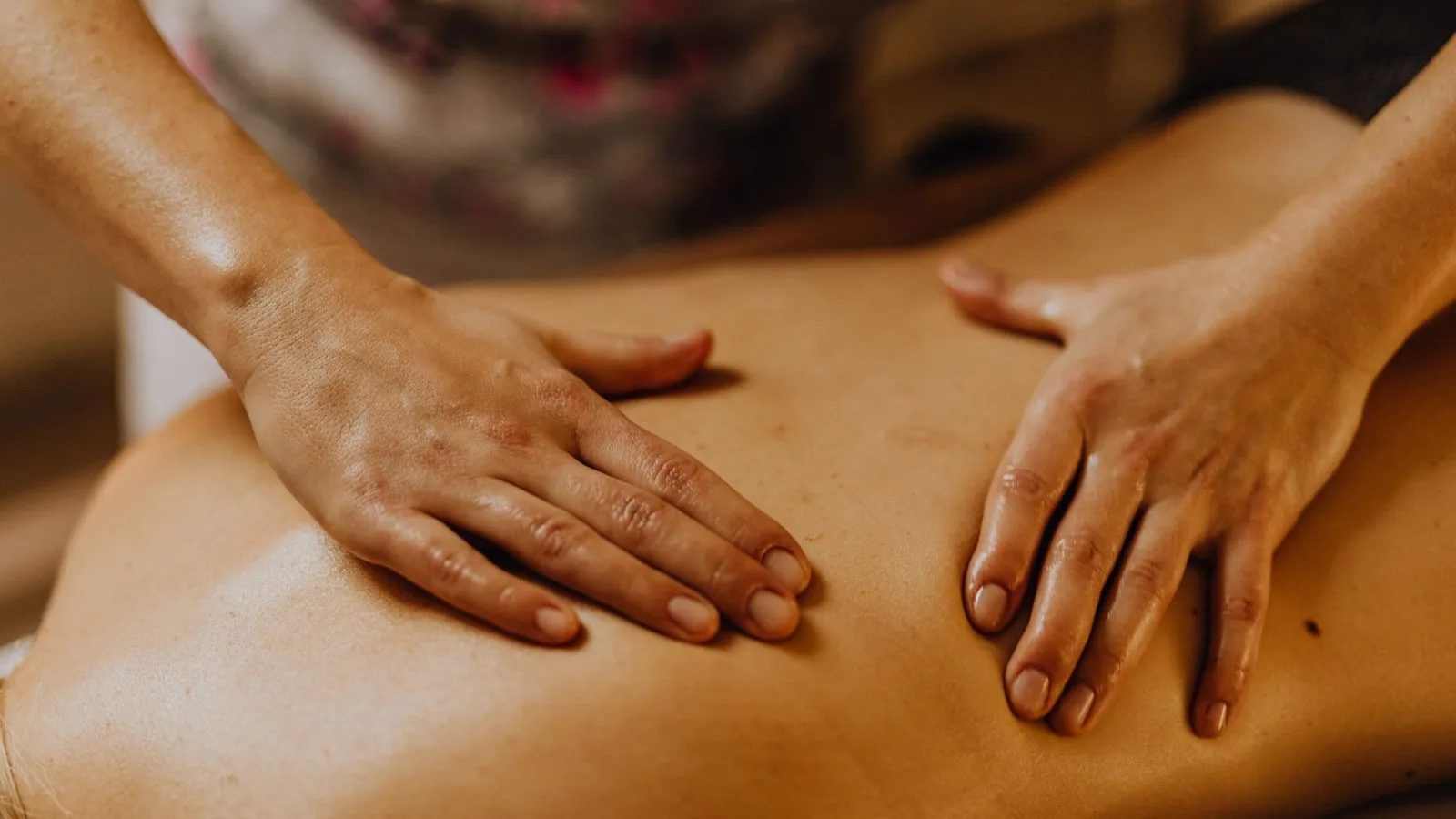
Massage reduces tension and does feel good, but because it does not change mobility or strength its effect is short-lived. The lasting difference comes from restoring movement to the stiffened region and strengthening the back muscles.

Should I wear a brace?

Routine brace use is not recommended for back pain; while it provides support it also reduces muscle work. Outside specific medical conditions the decision belongs to a doctor and should be time-limited.

Other treatments

  • Posture

    For a rounded back and forward head posture: a programme built on measured mobility and strength.

  • Stiff Neck

    For a neck that suddenly locks: fast relief in the acute phase, then work aimed at preventing recurrence.

  • Low Back Pain

    For back pain that persists without a clear imaging finding: a programme that looks for the source.

Articles on this topic

  • Sırt kaslarına uygulanan masaj

    Spinal Health

    What Helps Back Pain?

    Most back pain isn't due to a serious disease — it's due to loading and posture. The good news: it eases with the right approach.

    4 September 2026 · 2 min read

  • Bel bölgesinin fizyoterapist tarafından değerlendirilmesi

    Spinal Health

    Which Department Should You See for a Herniated Disc?

    "Which doctor should I see for a herniated disc?" is one of the most common questions. The answer isn't a single department; it depends on the clinical picture.

    6 September 2026 · 3 min read

  • Bel ağrısı yaşayan kişi

    Spinal Health

    Who Decides on Surgery for a Herniated Disc, and How?

    The surgery decision for a herniated disc isn't left to one person or one MRI image. Whose hands is the process in, and what stages does it go through?

    5 September 2026 · 2 min read

Book an appointment for Back Pain

The appointment form does not ask for health information; details are discussed by phone.

Book an appointment