
Home Programmes for People with Disabilities: Why the Hours Outside Sessions Decide the Outcome
Fizyoterapist Aydın Ali · 21 June 2026 · 1 min read
Fizyoterapist Aydın Ali · 21 June 2026 · 1 min read
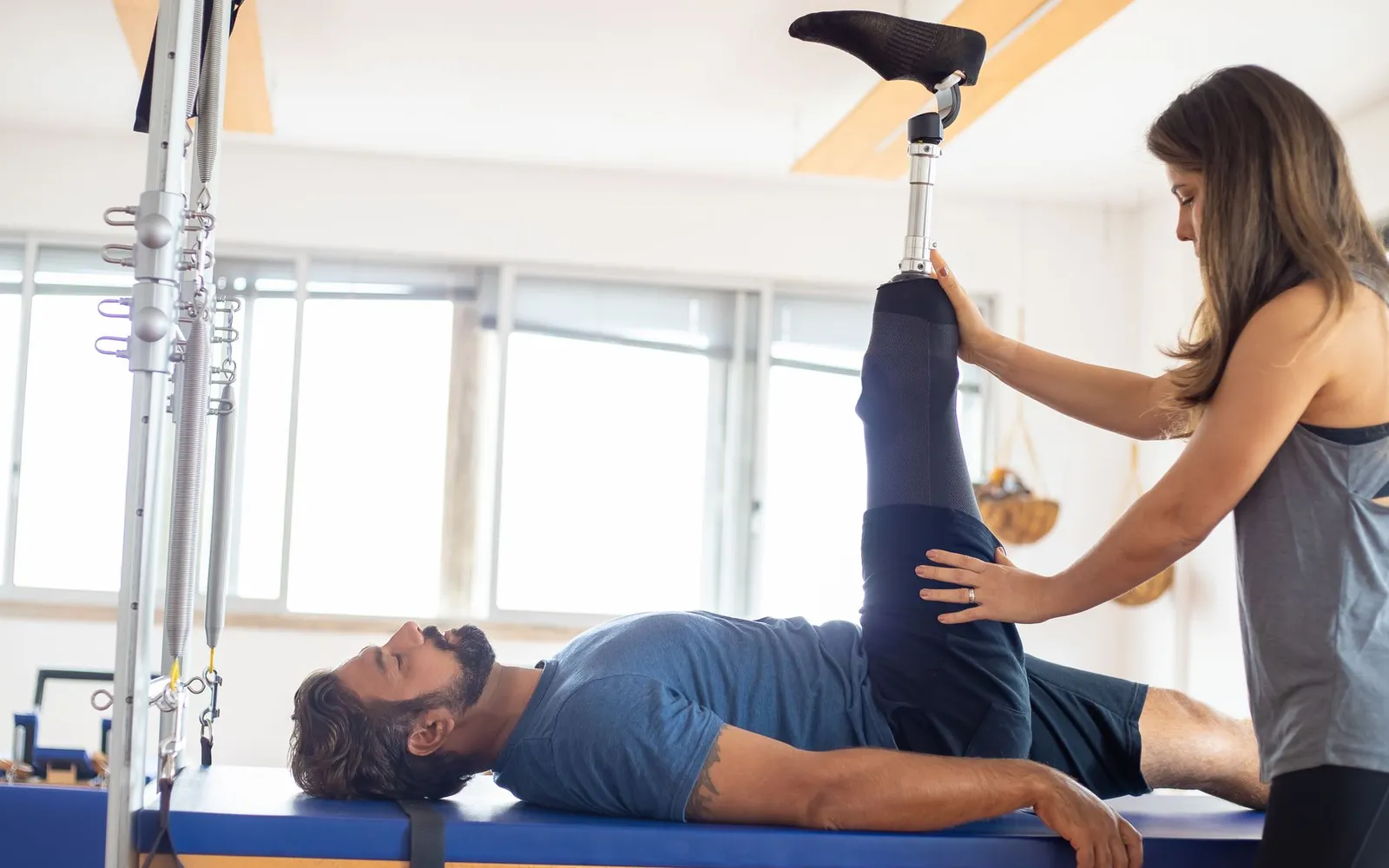
Two sessions a week are a small slice of the whole week. The real progress is built in the routine outside those sessions.
A question families and people with disabilities often ask is "would more frequent sessions mean faster progress?" The answer isn't always yes; what actually decides it is the home programme kept up between sessions.
Motor learning happens through repetition. A few hours of sessions a week won't produce a lasting gain unless it's supported by short, regular practice through the rest of the day.
Making correct positioning during daily care, transfer techniques and short exercises usable at home is part of the programme.
When a home programme is long and complicated, the risk of it being abandoned is high; exercises that take a few minutes and slot easily into the daily routine are more sustainable.
Fzt. Aydın Ali builds sustainable home programmes for people with disabilities in Bursa Nilüfer and trains the family hands-on. You can book an appointment.

Orthopaedics and Rehabilitation
Chiropractic and manual therapy are often confused. Both are done with the hands, but their approaches and frameworks differ.
6 September 2026 · 2 min read
Orthopaedics and Rehabilitation
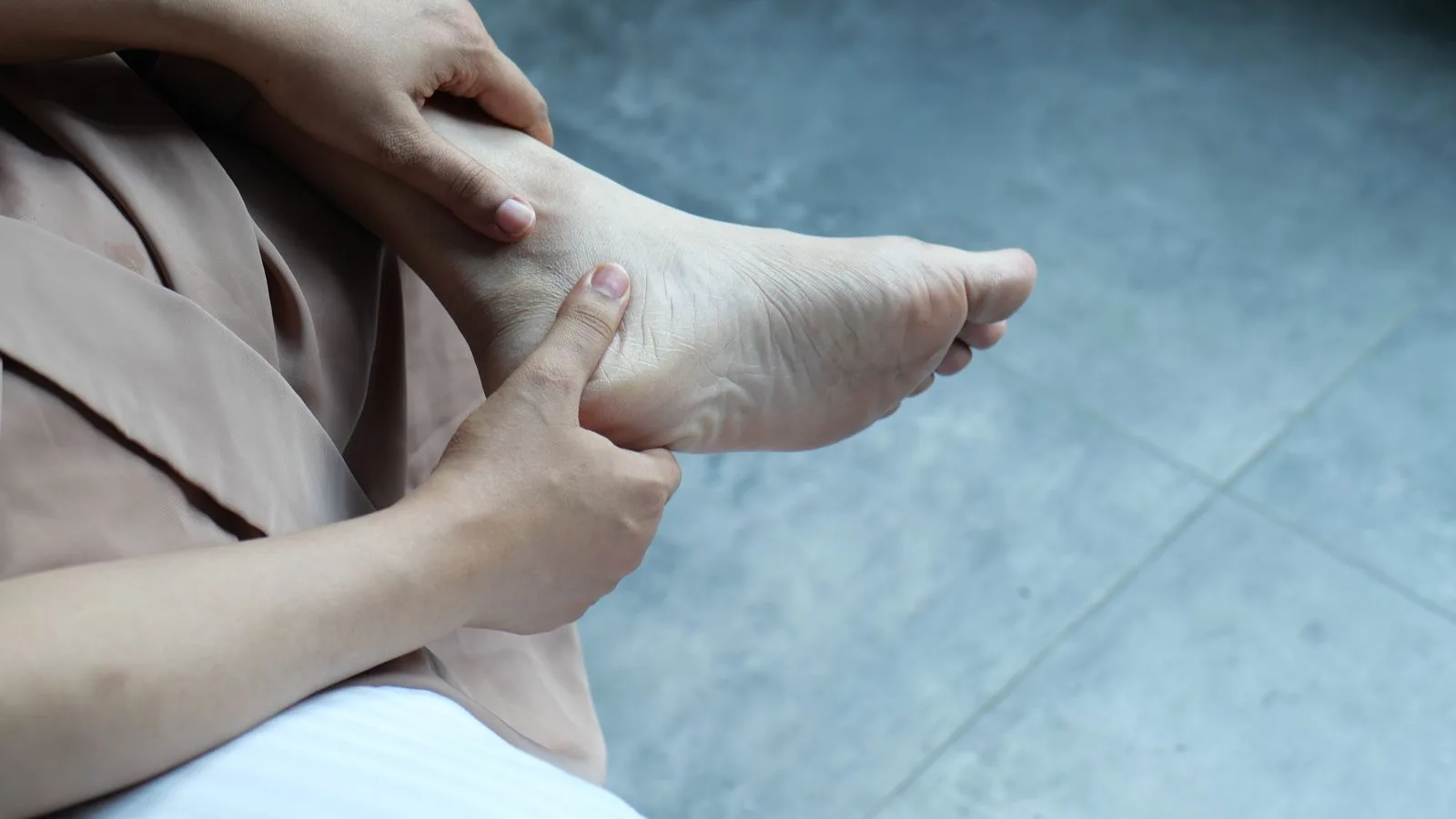
The sharp heel pain on the first step in the morning is often assumed to be a heel spur. But the real name for this condition is plantar fasciitis, and the two aren't the same thing.
6 September 2026 · 2 min read
Orthopaedics and Rehabilitation
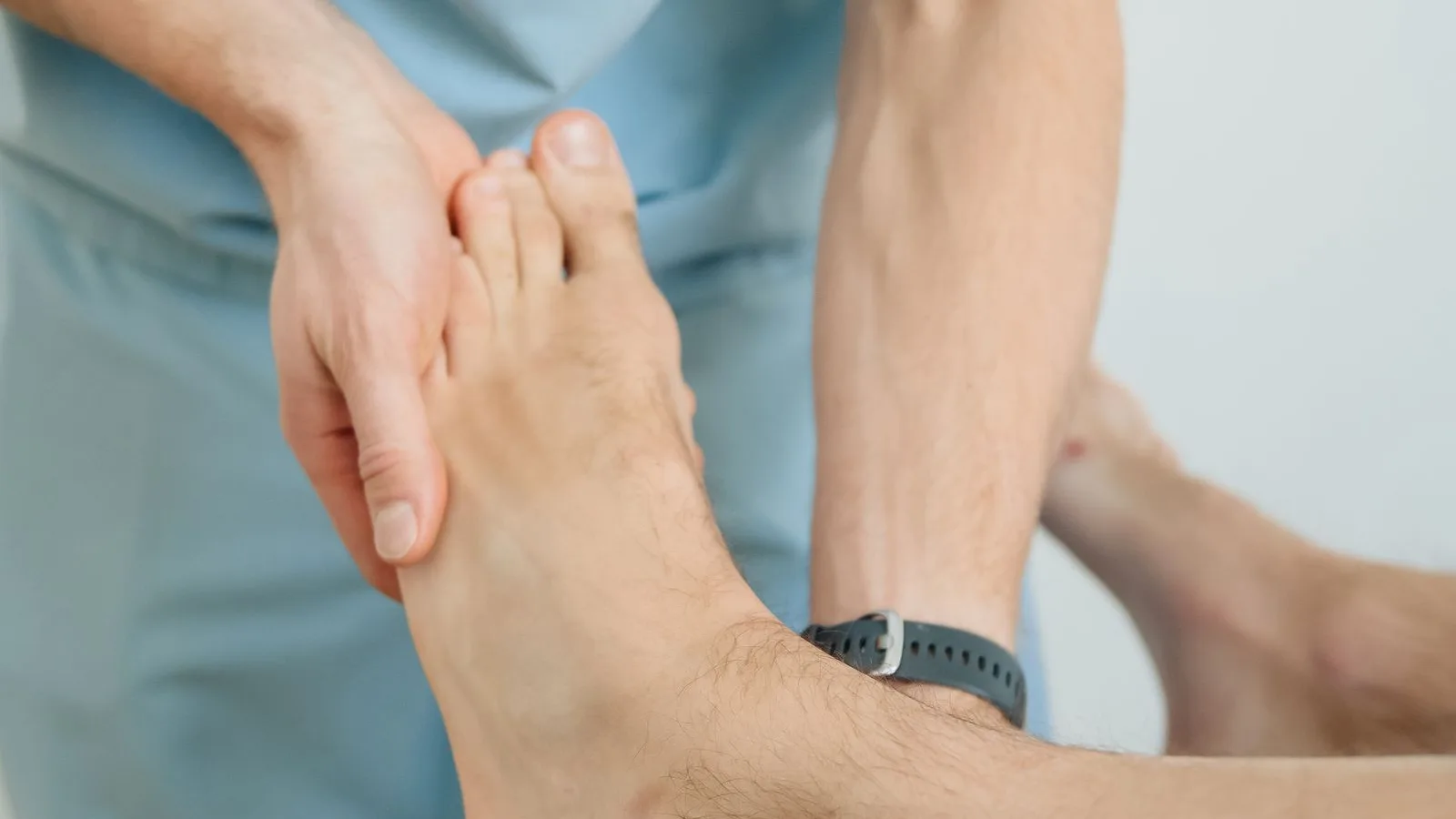
Flat feet aren't a disease in most people and cause no complaint. The real question is whether they're leading to a problem.
6 September 2026 · 1 min read
Long-term support focused on independence and quality of life in cerebral palsy, muscle disease and spinal cord injury.
A programme aimed at walking, balance and daily independence after stroke, MS, Parkinson's and brain injury.
A measurement-based, one-to-one strength and conditioning programme supervised by a physiotherapist.