
The Relationship Between Fibromyalgia and Sleep Quality
Fizyoterapist Aydın Ali · 20 August 2026 · 2 min read
Fizyoterapist Aydın Ali · 20 August 2026 · 2 min read
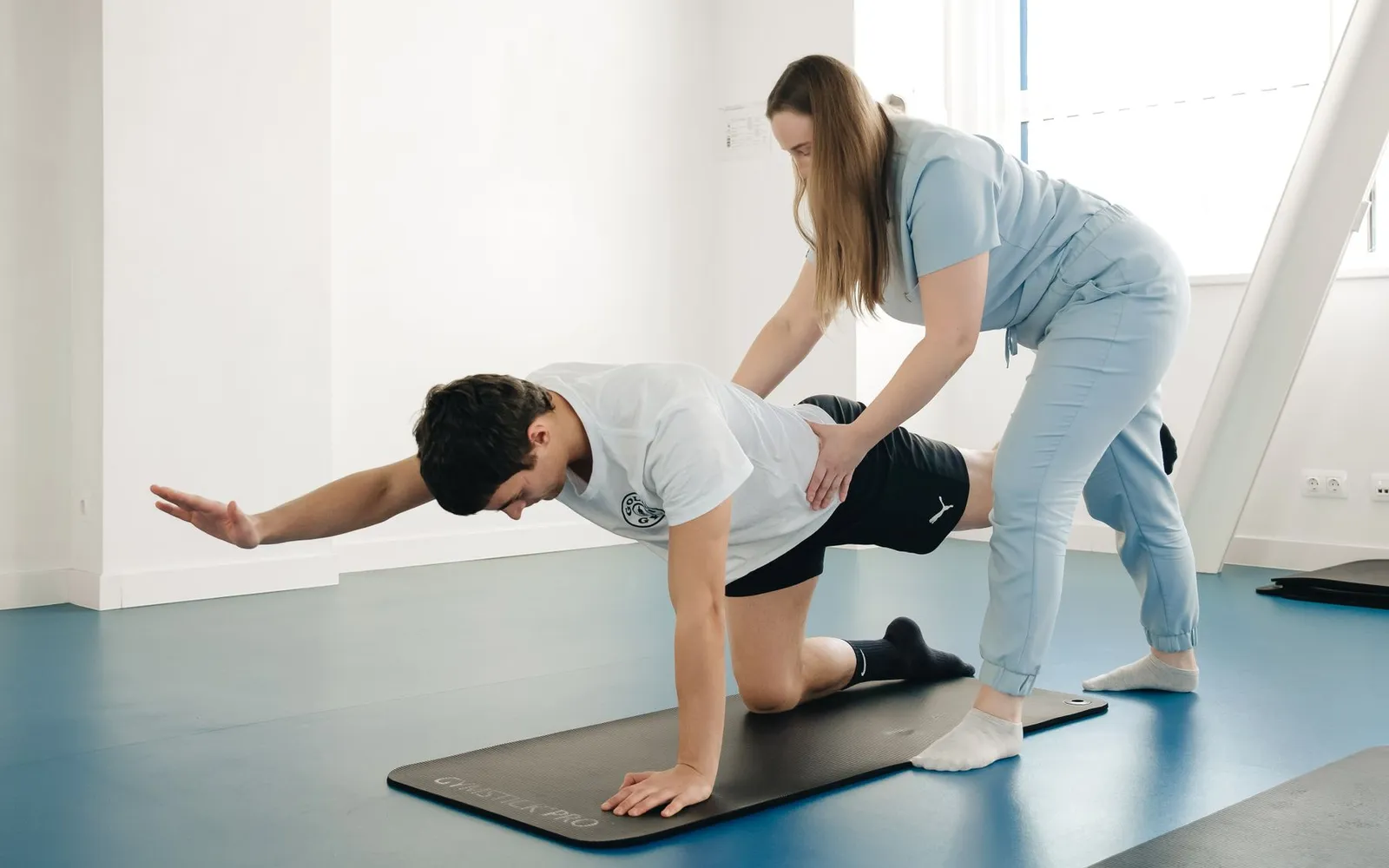
In fibromyalgia, poor sleep isn't only a result of pain — it also feeds the pain. The two feed each other in a loop.
Almost every client with fibromyalgia describes the same thing: "I sleep, but I don't wake up rested." That's no coincidence — in fibromyalgia, disturbed sleep isn't a random side effect of the condition, it's central to the picture.
Pain disrupts the transition into deep, restorative sleep stages, so the person stays in light sleep through the night. A nervous system that wakes unrested then perceives pain more intensely. The increased pain disrupts sleep again the next night, and the cycle closes. That's why targeting only the pain, or only the sleep, rarely gives a good result.
Studies show that disrupting deep sleep — even without the person waking up at all — can produce fibromyalgia-like widespread pain and fatigue the next day. That explains why sleep quality, not just sleep duration, matters so much in fibromyalgia.
Regular exercise at the right dose is one of the few methods shown to increase both the duration and quality of deep sleep. Timing matters, though: intense exercise right before bed can increase alertness; moderate exercise in the morning or afternoon tends to give a better result.
Advice like keeping consistent sleep times, keeping the bedroom dark and cool, and reducing screen time is useful, but in fibromyalgia it may not be enough on its own — because it doesn't break the underlying pain-sleep cycle. That's why sleep hygiene is addressed together with exercise and pain management.
Overdoing it on a good day can trigger a flare-up of pain that disrupts sleep that night. Spreading activity evenly across the day — pacing — indirectly protects night-time sleep.
A physiotherapy programme isn't only an exercise prescription; explaining the pain-sleep relationship to the person, agreeing on a realistic activity dose together, and safely increasing that dose over time are all part of the process.
Fzt. Aydın Ali runs graded exercise programmes in Bursa Nilüfer that address the pain-sleep cycle in fibromyalgia together. You can book an appointment.

Orthopaedics and Rehabilitation
Chiropractic and manual therapy are often confused. Both are done with the hands, but their approaches and frameworks differ.
6 September 2026 · 2 min read
Orthopaedics and Rehabilitation
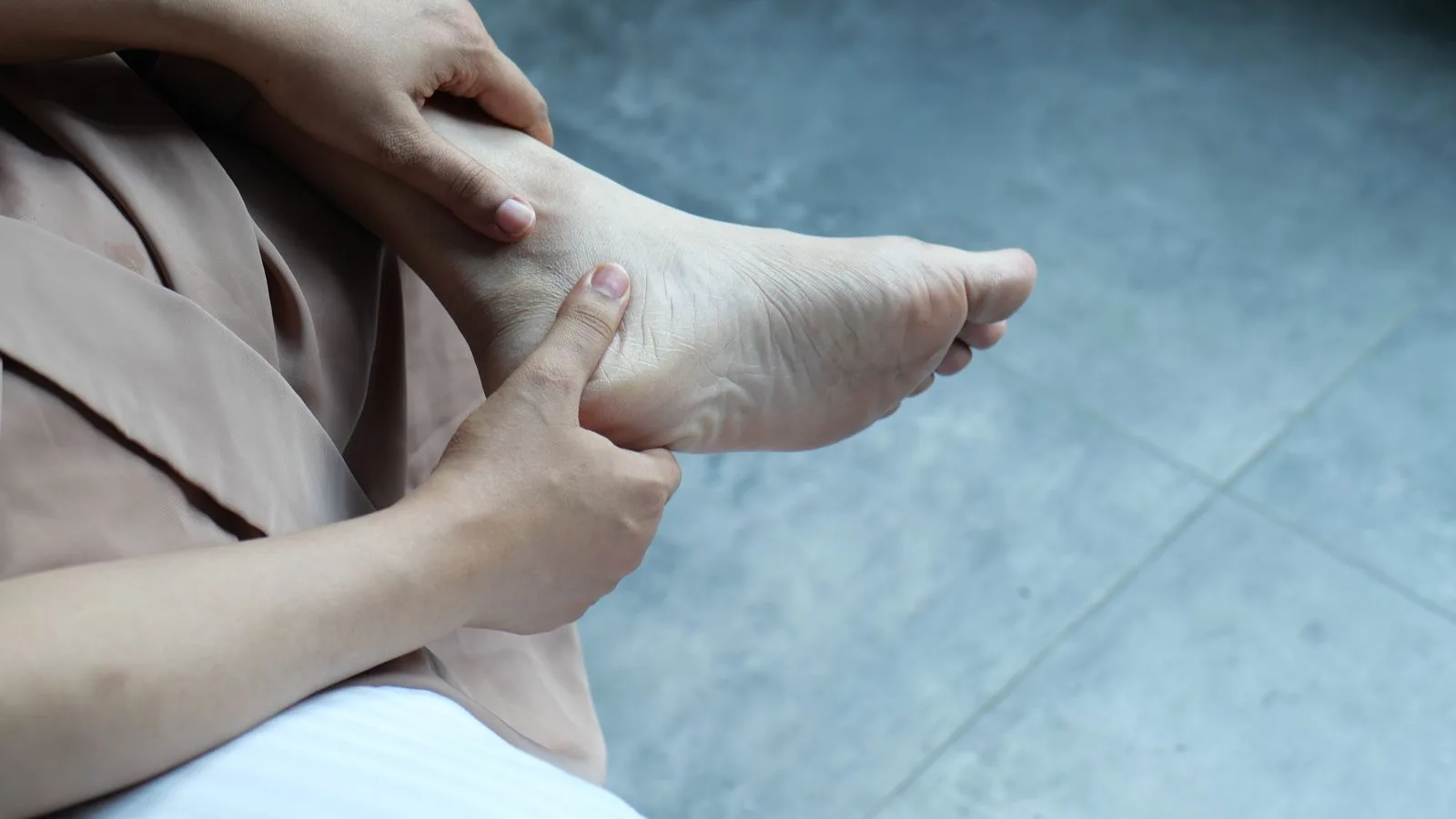
The sharp heel pain on the first step in the morning is often assumed to be a heel spur. But the real name for this condition is plantar fasciitis, and the two aren't the same thing.
6 September 2026 · 2 min read
Orthopaedics and Rehabilitation
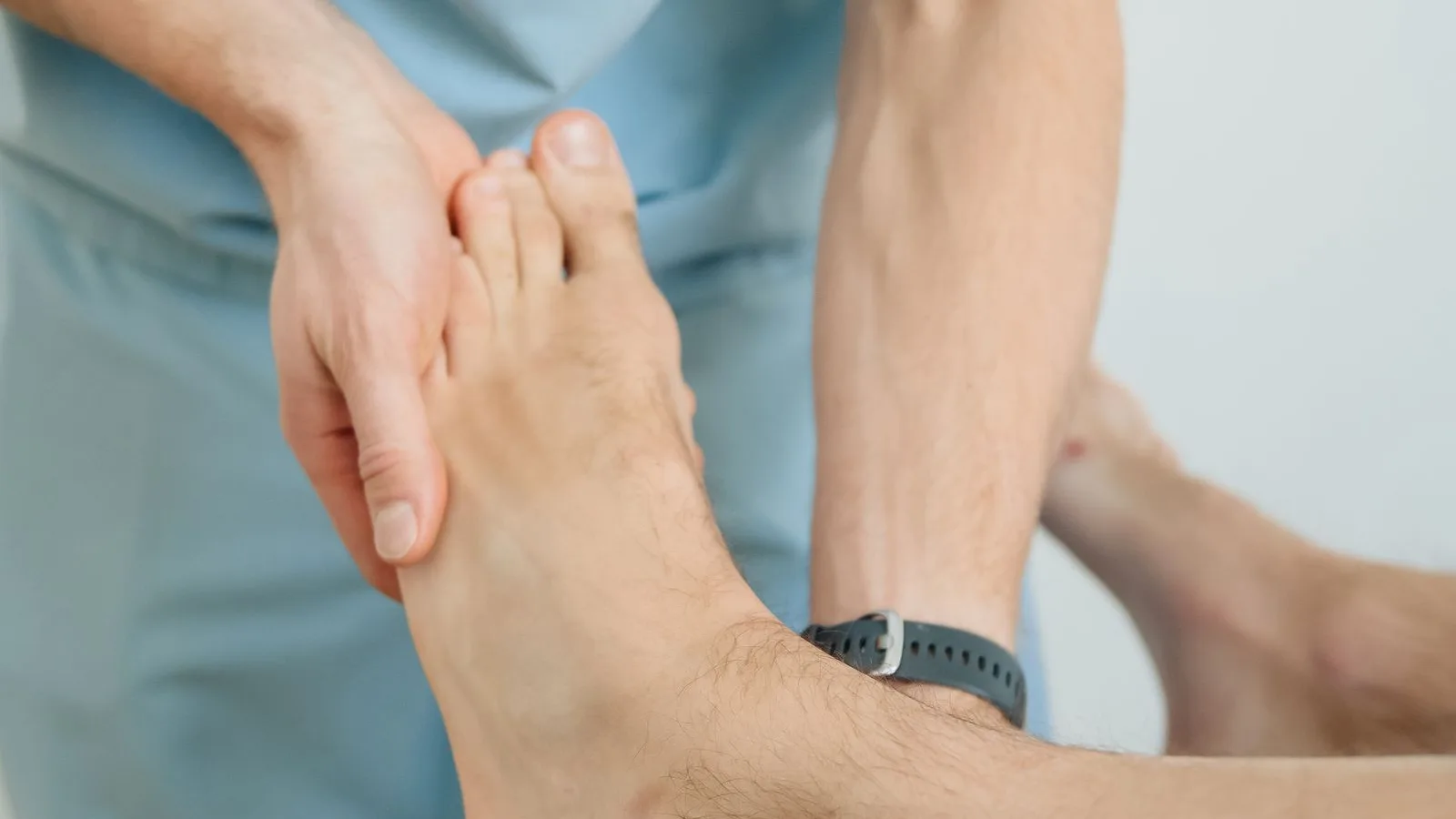
Flat feet aren't a disease in most people and cause no complaint. The real question is whether they're leading to a problem.
6 September 2026 · 1 min read
An evidence-based programme of graded exercise and pain education for widespread pain, fatigue and disturbed sleep.
For muscle pain that knots, cramps and will not settle: manual work first, strengthening second.
Hands-on techniques applied to joints and soft tissue, combined with exercise for a result that lasts.