
How to Apply Pacing in Fibromyalgia
Fizyoterapist Aydın Ali · 20 August 2026 · 2 min read
Fizyoterapist Aydın Ali · 20 August 2026 · 2 min read

Doing too much on a good day and nothing on a bad one is the most common mistake in fibromyalgia. Pacing replaces that boom-and-bust pattern with a measured, pre-set tempo.
Many people with fibromyalgia try to power through a backlog of tasks on a good day — cleaning, errands, things they've been putting off. The result is usually the same: a severe flare of pain and fatigue the next day or two. That "overdo it on a good day, do nothing on a bad one" cycle is known as the boom-bust pattern, and pacing was developed specifically to change it.
Pacing isn't "doing less" — it's "doing more evenly." The aim is to move according to a pre-set, measured dose rather than how you happen to feel that day. That prevents both overloading on good days and stopping completely on bad ones.
The first stage is identifying the amount of activity that can be done without a noticeable increase in pain — this is called the baseline. It's set slightly below what can be sustained even on the worst day, not what's achievable on the best one. Even though the baseline can look low, it's deliberately where you start.
A task is split into small pieces at intervals rather than done in one go. For example, instead of trying to finish an hour of housework in half an hour, splitting it into four fifteen-minute blocks with rests in between keeps the total load the same while preventing a pain spike.
Once the baseline has held steady for a few weeks and is well tolerated, activity is increased in small, pre-planned steps. The increase follows a pre-set schedule, not the "I feel good today" sensation of the moment — that's the most commonly misunderstood rule of pacing.
It's not only physical effort — high-mental-load activities such as long meetings or heavy screen time need to be broken up with the same logic. In fibromyalgia, mental fatigue is just as real as physical fatigue.
Pacing requires building a conscious discipline against your own body's signals, and that's usually difficult without guidance. A physiotherapist helps set the baseline, plan the increase schedule, and keep the process realistic.
Fzt. Aydın Ali builds personalised pacing and exercise programmes for fibromyalgia clients in Bursa Nilüfer. You can book an appointment.

Orthopaedics and Rehabilitation
Chiropractic and manual therapy are often confused. Both are done with the hands, but their approaches and frameworks differ.
6 September 2026 · 2 min read
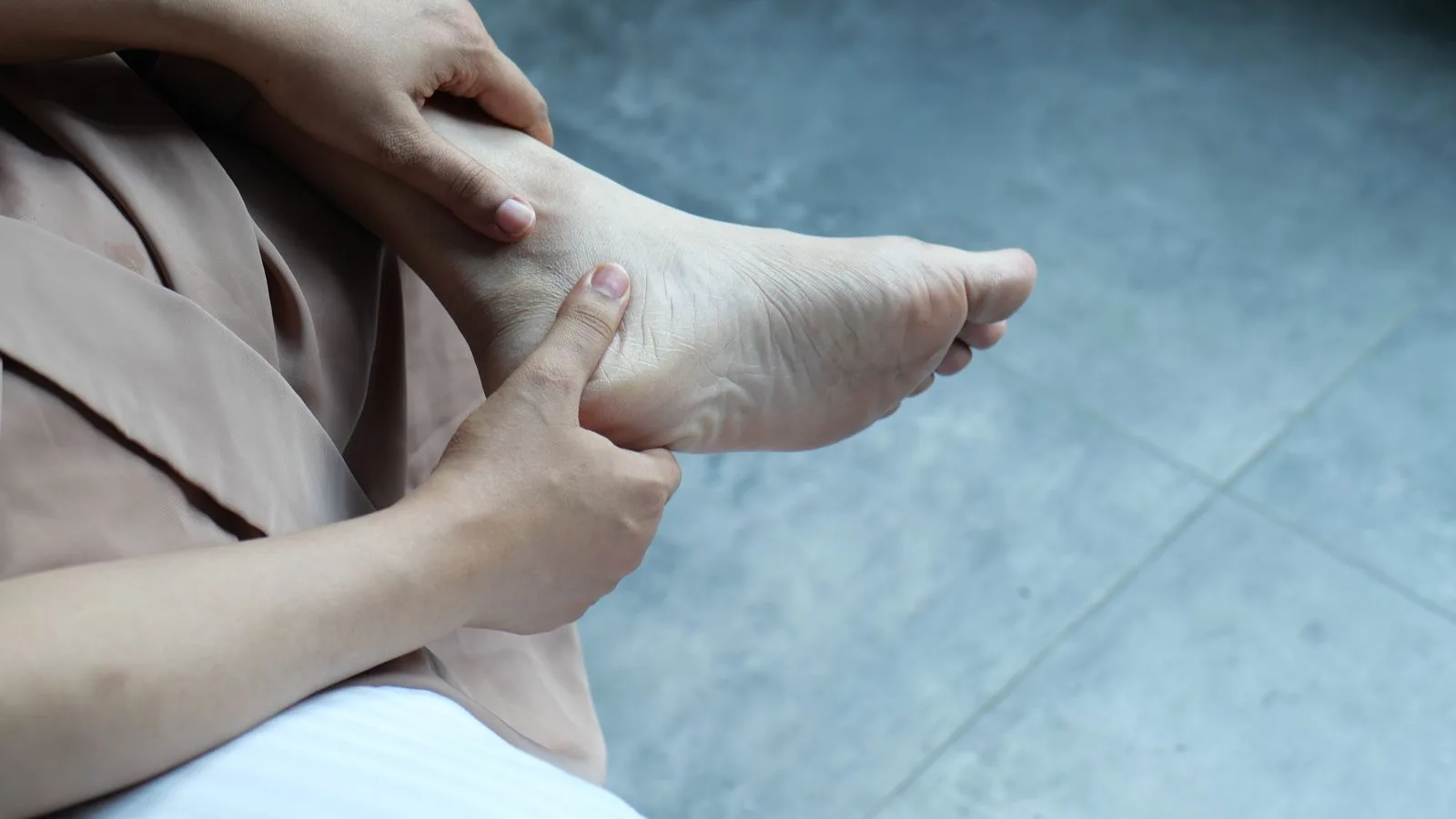
Orthopaedics and Rehabilitation
The sharp heel pain on the first step in the morning is often assumed to be a heel spur. But the real name for this condition is plantar fasciitis, and the two aren't the same thing.
6 September 2026 · 2 min read
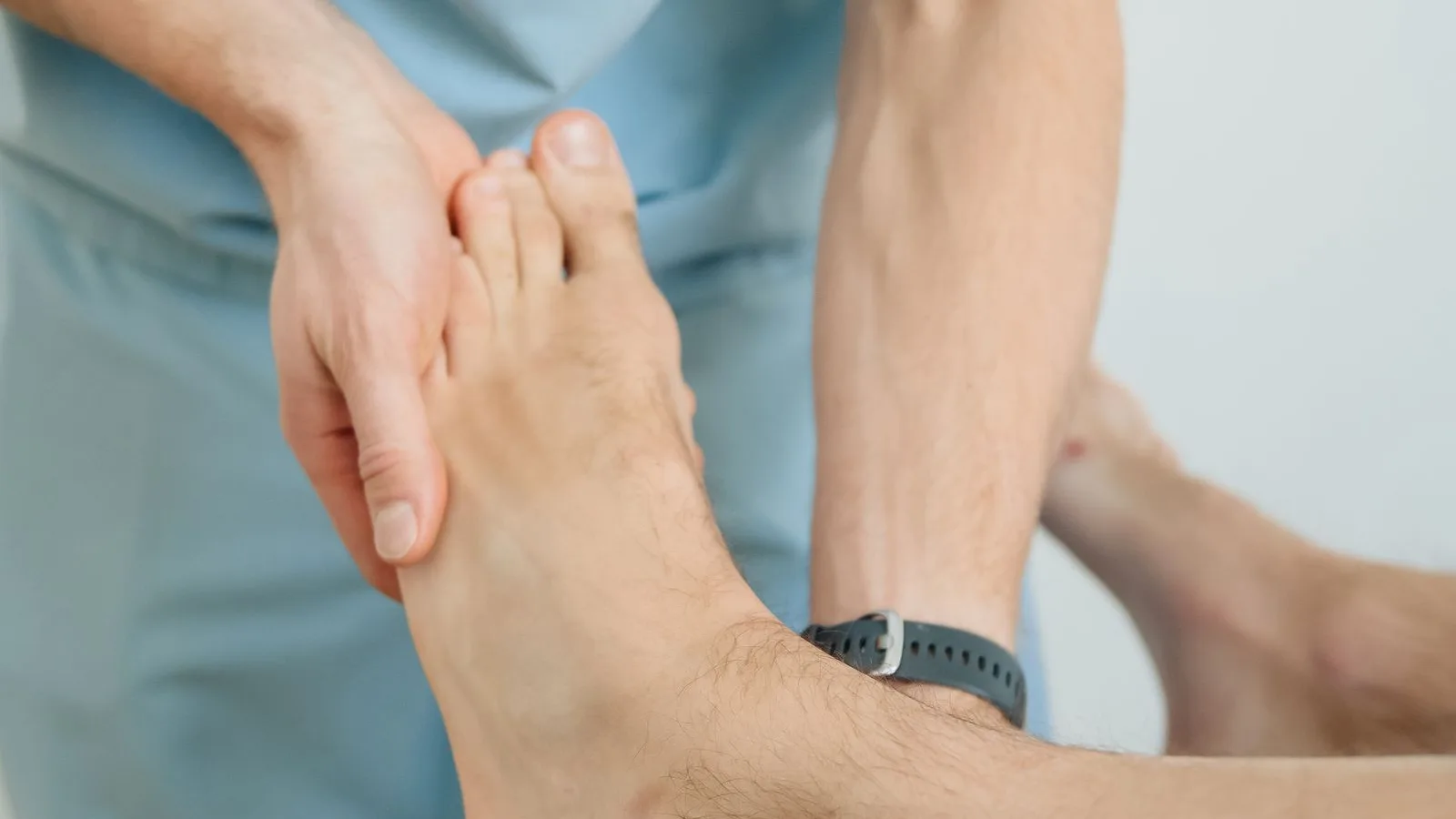
Orthopaedics and Rehabilitation
Flat feet aren't a disease in most people and cause no complaint. The real question is whether they're leading to a problem.
6 September 2026 · 1 min read
An evidence-based programme of graded exercise and pain education for widespread pain, fatigue and disturbed sleep.
For muscle pain that knots, cramps and will not settle: manual work first, strengthening second.
Hands-on techniques applied to joints and soft tissue, combined with exercise for a result that lasts.