What Helps a Muscle Spasm?
Fizyoterapist Aydın Ali · 2 September 2026 · 2 min read
Fizyoterapist Aydın Ali · 2 September 2026 · 2 min read
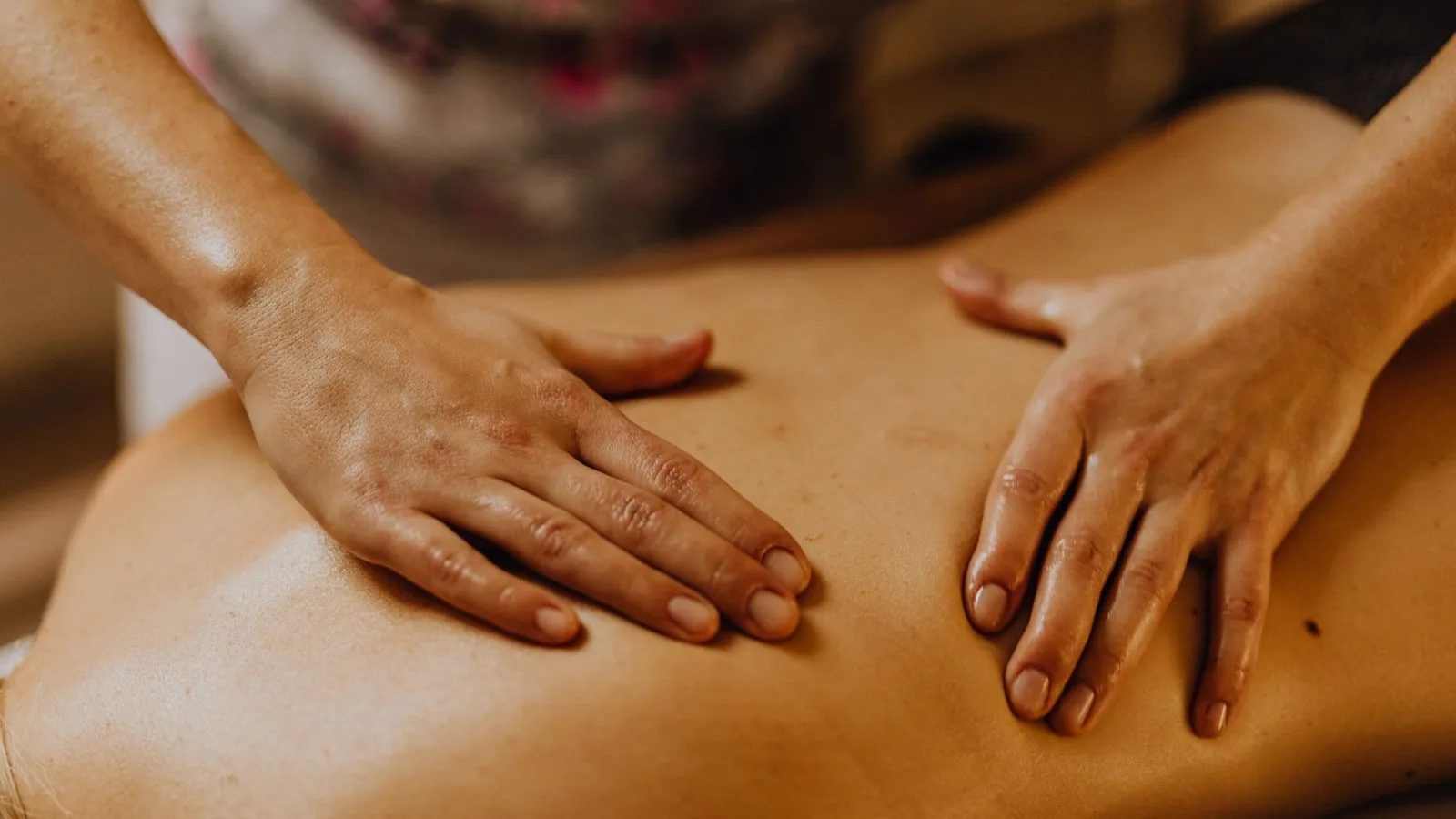
A muscle spasm is an involuntary, sudden and painful contraction. Most are harmless and ease quickly with simple measures.
A muscle spasm is a muscle contracting involuntarily, suddenly and painfully, and failing to release. A calf "cramp," a stiff back, tightness in the neck — these are all the same mechanism showing up in different places. Most spasms are harmless and ease quickly with simple measures.
A one-off spasm isn't significant. But if the spasm recurs often, always appears in the same area, or comes with numbness-weakness, there's an underlying cause: muscle imbalance, a nerve compression, or a posture problem. In that case, temporary relief isn't enough — the source needs to be found.
In physiotherapy, the spasm's trigger is identified, the muscle is relaxed with manual techniques, and the real part comes next: a graded strength and flexibility programme that increases the muscle's capacity. A stronger muscle spasms less easily.
Fzt. Aydın Ali doesn't stop at temporary relief for recurring muscle spasms; runs a programme in person that finds the trigger and increases the muscle's capacity.
Orthopaedics and Rehabilitation
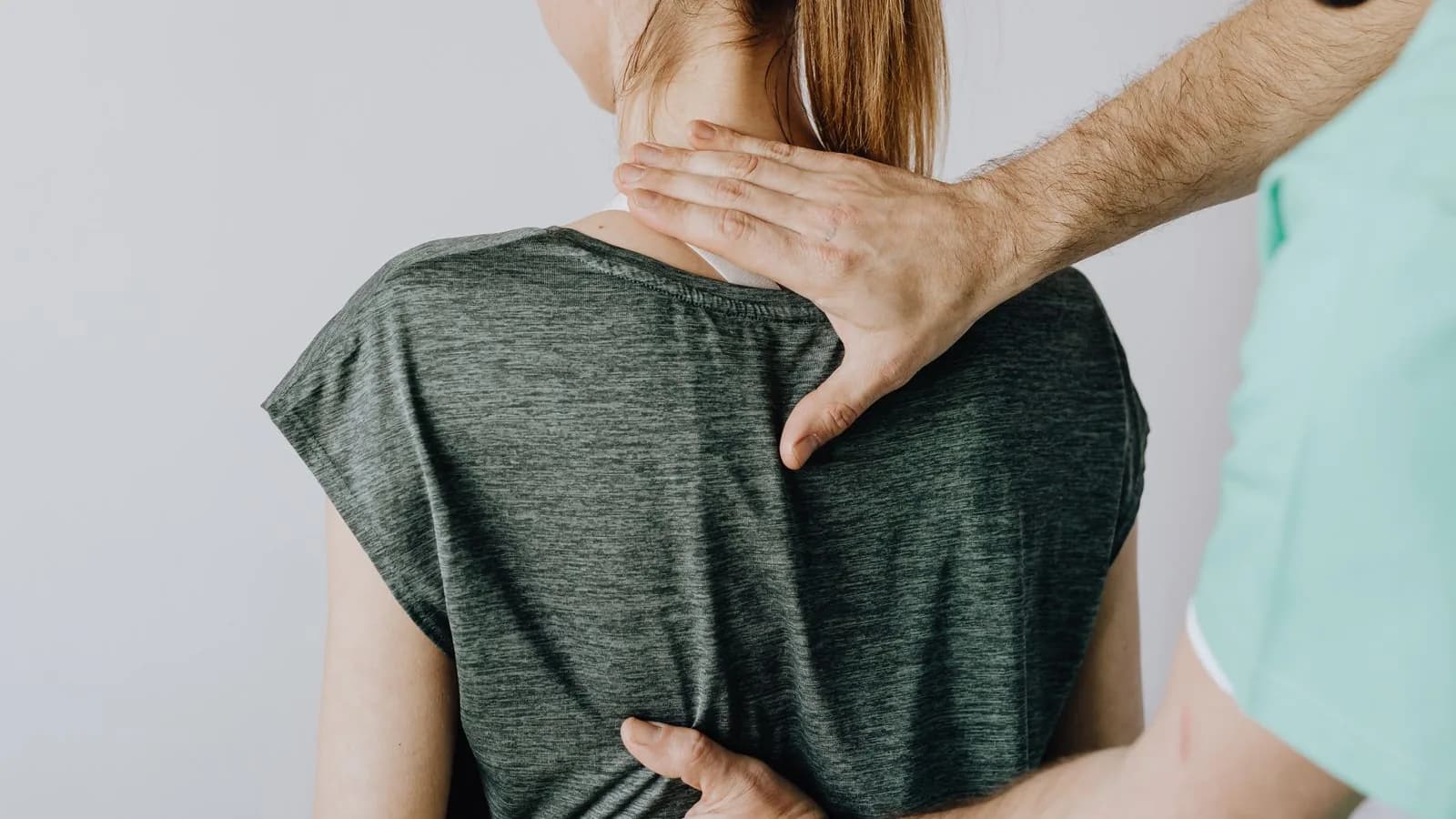
Chiropractic and manual therapy are often confused. Both are done with the hands, but their approaches and frameworks differ.
6 September 2026 · 2 min read
Orthopaedics and Rehabilitation
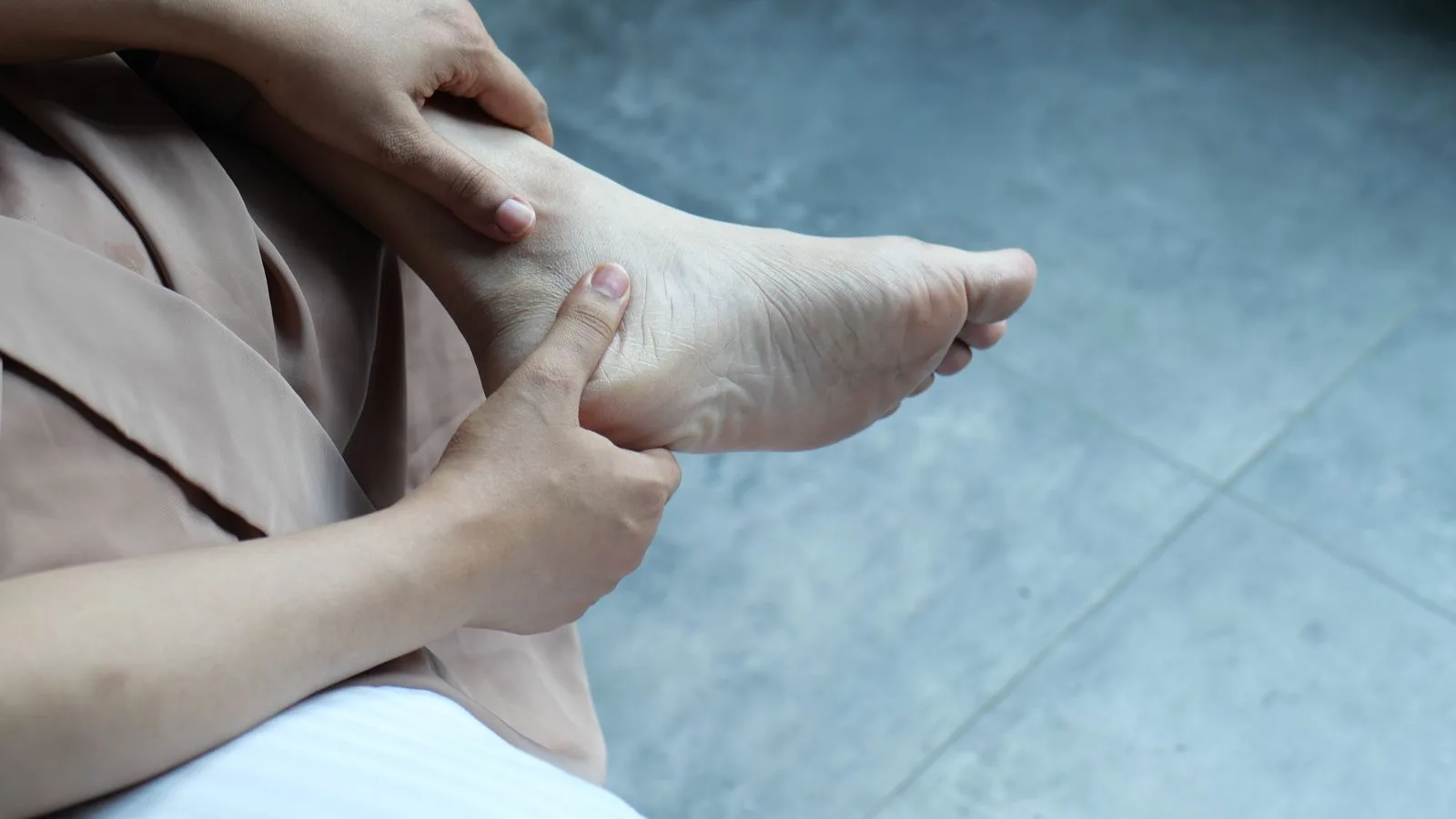
The sharp heel pain on the first step in the morning is often assumed to be a heel spur. But the real name for this condition is plantar fasciitis, and the two aren't the same thing.
6 September 2026 · 2 min read
Orthopaedics and Rehabilitation
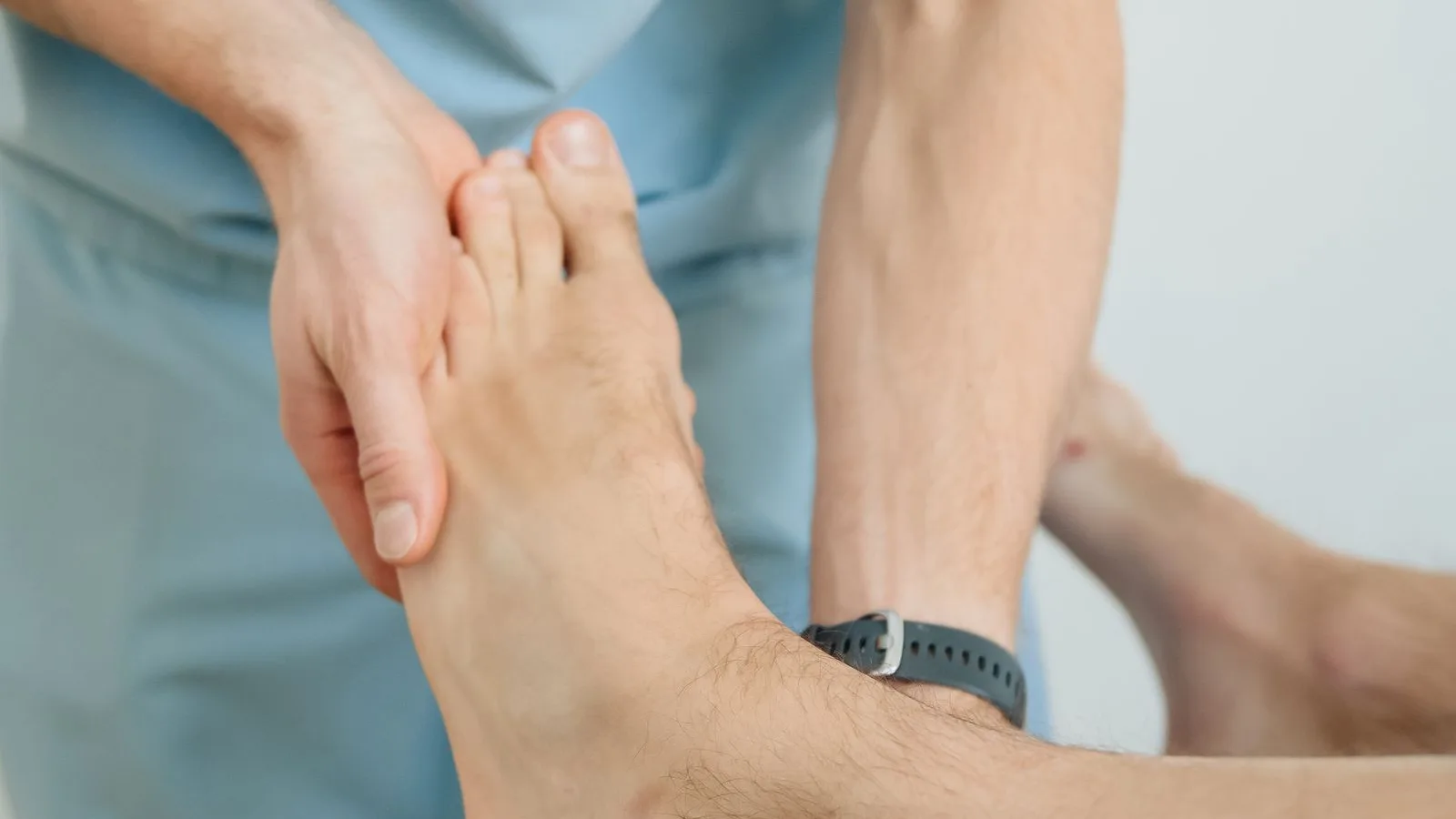
Flat feet aren't a disease in most people and cause no complaint. The real question is whether they're leading to a problem.
6 September 2026 · 1 min read
For muscle pain that knots, cramps and will not settle: manual work first, strengthening second.
A device-assisted manual technique aimed at reducing muscle tension through the sensory organ in the tendon.
Hands-on techniques applied to joints and soft tissue, combined with exercise for a result that lasts.