Why Start Strength Training Right Away After 40?
Fizyoterapist Aydın Ali · 9 July 2026 · 1 min read
Fizyoterapist Aydın Ali · 9 July 2026 · 1 min read
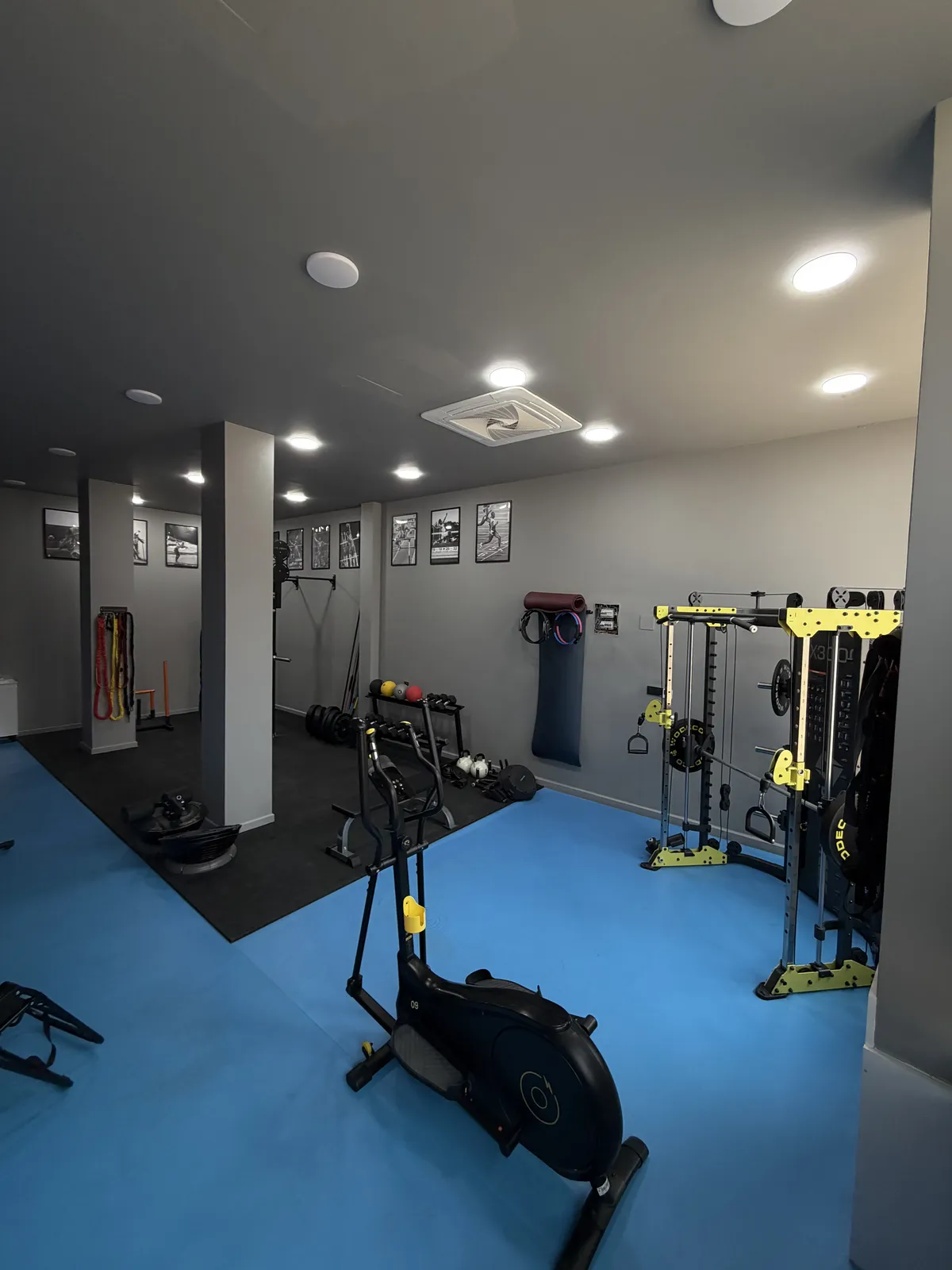
Muscle loss begins quietly in your thirties and progresses unnoticed. The one proven way to stop it is strength training.
"I should move less as I get older" is a common belief, but the opposite is true: the importance of strength training grows with age, it doesn't shrink.
After age 30, muscle mass decreases by 3–8% every decade; this loss usually progresses without an obvious symptom and gets noticed when daily tasks — opening a jar, carrying groceries — start feeling harder.
It's possible to start strength training late and still benefit, but starting early means taking action before the loss happens — which is always easier than recovering what's already been lost.
Resistance training is one of the proven methods for slowing the bone density loss that accelerates after menopause, particularly in women.
For someone with no experience at all, the programme starts with light weight and correct technique; age isn't a barrier to strength training — it's a variable that shapes how the programme is built.
Fzt. Aydın Ali runs safe, supervised strength training for clients of every age in Bursa Nilüfer. You can book an appointment.

Orthopaedics and Rehabilitation
Chiropractic and manual therapy are often confused. Both are done with the hands, but their approaches and frameworks differ.
6 September 2026 · 2 min read
Orthopaedics and Rehabilitation
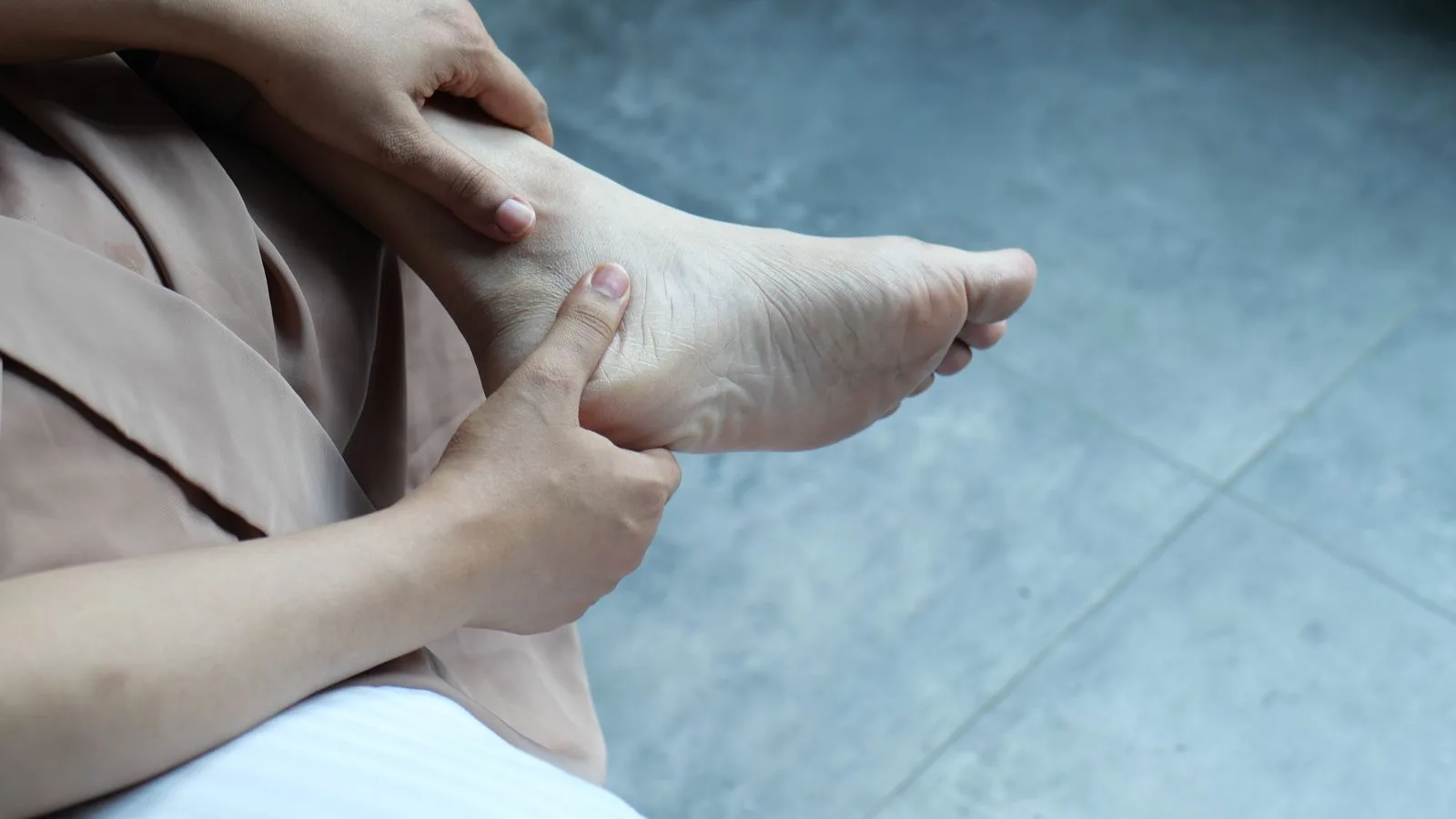
The sharp heel pain on the first step in the morning is often assumed to be a heel spur. But the real name for this condition is plantar fasciitis, and the two aren't the same thing.
6 September 2026 · 2 min read
Orthopaedics and Rehabilitation
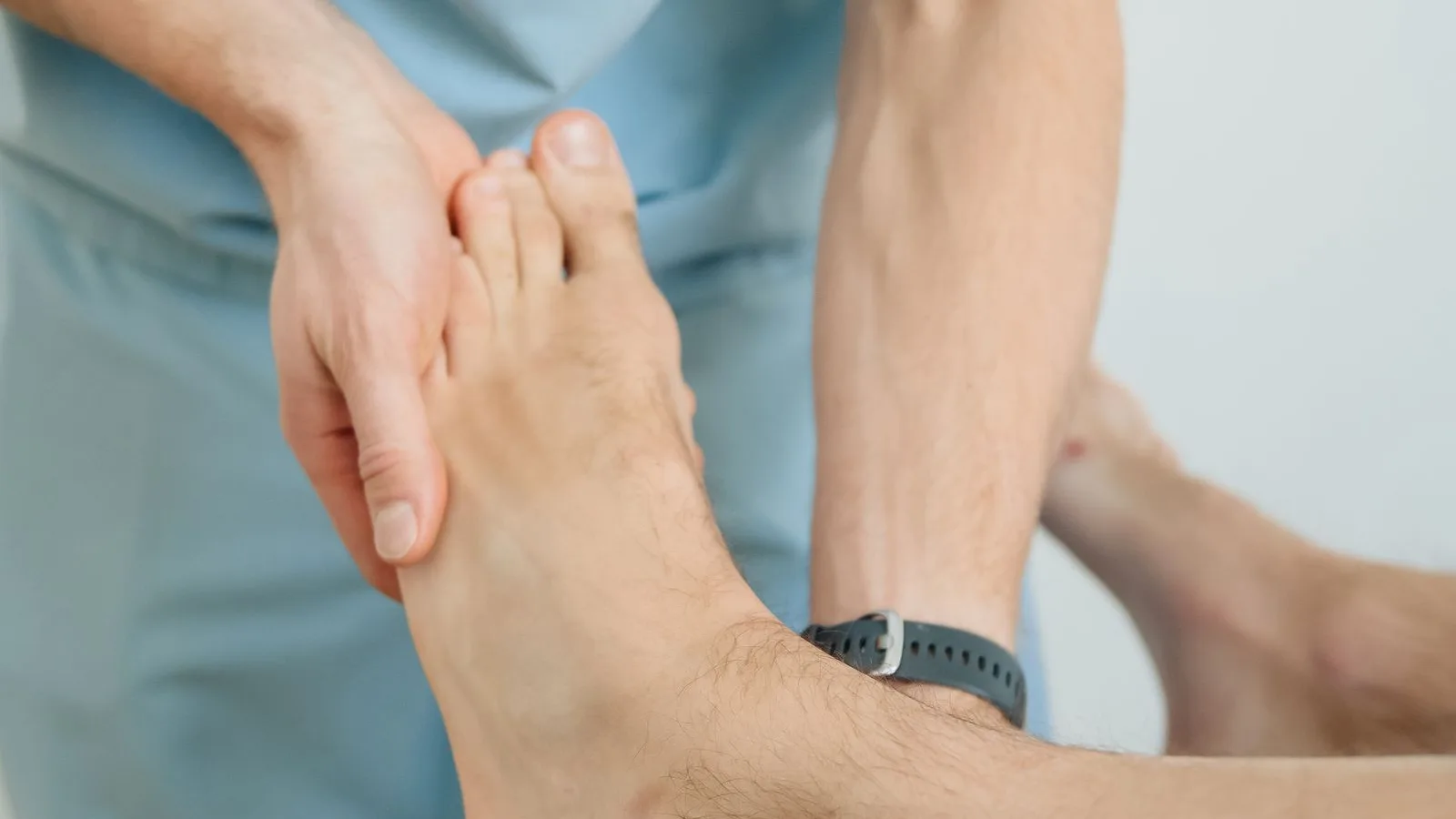
Flat feet aren't a disease in most people and cause no complaint. The real question is whether they're leading to a problem.
6 September 2026 · 1 min read
A measurement-based, one-to-one strength and conditioning programme supervised by a physiotherapist.
Injury rehabilitation and criteria-based return to play for athletes at every level.
For groin, outer hip and deep buttock pain: assessment that finds the source, then strength-focused work.