What Is Plantar Fasciitis? Heel Spur Difference and Exercises
Fizyoterapist Aydın Ali · 6 September 2026 · 4 min read · Last updated:
Fizyoterapist Aydın Ali · 6 September 2026 · 4 min read · Last updated:
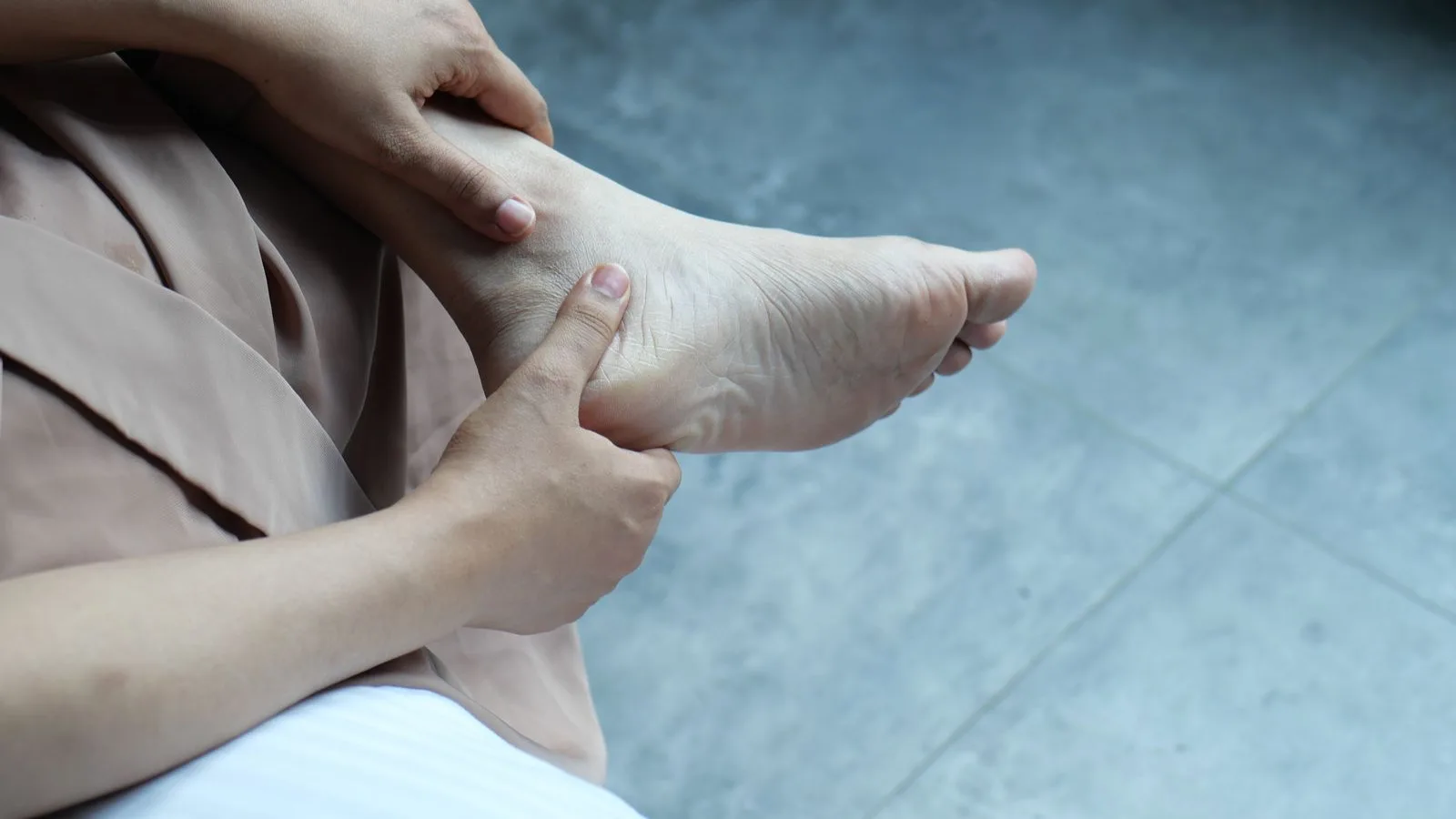
The real source of first-step heel pain is usually plantar fasciitis, not the spur. The difference, what helps, and exercises you can do at home.
Plantar fasciitis is irritation, from overload, of the thick band on the sole (the plantar fascia) where it attaches to the heel. Sharp heel pain with the first steps in the morning is its typical sign and is often mistaken for a "heel spur"; yet the pain usually comes from the plantar fascia, not the spur. In most people stretching, strengthening and load management bring noticeable relief within weeks to months.
| Plantar fasciitis | Heel spur | |
|---|---|---|
| What? | Irritation of the plantar fascia (soft tissue) | A small bony projection on the heel bone |
| Does it cause pain? | Yes, it is usually the main source | Painless in many people; may not cause pain on its own |
| Aim | Heal the fascia, build load capacity | Not "removing the spur"; if there is pain, the fascia is treated |
Many people with a spur have no pain at all. Seeing a spur on an X-ray therefore does not mean it is the cause of the pain.
These are general, low-risk movements; stop any movement that clearly increases pain.
Stretching helps in the short term, strengthening matters more in the long term; the dose and progression are decided by assessment.
A splint that holds the foot slightly upwards overnight can stop the plantar fascia shortening at night and reduce first-step pain. It is not needed by everyone; it is an extra option alongside stretching and load management for people with marked morning pain.
Heel spur and plantar fasciitis physiotherapy in Bursa starts by identifying the source: plantar fascia, Achilles tendon or a nerve? The programme covers load management, stretching, strengthening and walking pattern. In suitable stubborn cases, ESWT (shockwave therapy) can be added to the exercise programme.
Not every heel pain is plantar fasciitis; with these signs, a physician should assess you first.
How long does plantar fasciitis take to heal? Most people notice clear relief within a few weeks to a few months; regular exercise and load management shorten this. Giving an exact time would not be honest.
Is walking harmful with plantar fasciitis? You do not need to stop completely; short walks that do not clearly increase pain can continue. Temporarily reducing long distances helps.
Should a heel spur be removed surgically? In most people it is not needed; the pain usually comes from the fascia and is managed without surgery. The decision belongs to a physician.
Fzt. Aydın Ali first identifies the source of heel pain in Bursa Nilüfer, then runs a one-to-one programme that heals the plantar fascia and builds the foot's load capacity.
For heel pain that bites on the first step of the morning: shockwave, load management and a graded strengthening programme.
Balance and strength-focused rehabilitation for sprains, ligament injuries, Achilles problems and heel pain.
Shock wave therapy for chronic tendon and heel complaints, used as part of the programme.