Who Decides on Surgery for a Herniated Disc, and How?
Fizyoterapist Aydın Ali · 5 September 2026 · 2 min read
Fizyoterapist Aydın Ali · 5 September 2026 · 2 min read

The surgery decision for a herniated disc isn't left to one person or one MRI image. Whose hands is the process in, and what stages does it go through?
Many people diagnosed with a herniated disc move forward without knowing whether the decision belongs to them or to a physician, or how long the process will take. But this decision follows a specific sequence and isn't left to one person.
If there's no red flag, the process usually starts with a physiotherapy or physical medicine assessment. At this stage, which movement reduces the pain and which increases it is identified, and a programme is built accordingly — surgery isn't yet on the table at this point.
The generally accepted approach is to try a regular non-surgical process for 6-12 weeks in cases without a red flag. Progress during this time is measured through the course of the pain, range of motion and daily-life skills, and reviewed at regular intervals.
If leg pain continues to seriously restrict life despite the non-surgical process, the decision is handed over to neurosurgery or orthopaedics. This isn't a "failure" — it's a natural next step, and it was planned this way from the start.
Red flags such as loss of bladder/bowel control, numbness in the saddle area, foot drop, or rapidly progressing weakness don't wait for this sequence; they require immediate emergency assessment.
For someone who's been recommended surgery, getting a second physician's opinion — especially in non-urgent situations — is a reasonable and common practice. A good surgeon usually also asks first whether non-surgical options have been tried.
Even if surgery is decided on, the physiotherapy process doesn't end; the muscles that support the back need to be re-strengthened and a programme that prevents recurrence needs to be built. Surgery resolves the mechanical problem; the back's long-term health is still protected through exercise.
Fzt. Aydın Ali runs the non-surgical process for a herniated disc with measurable goals, clarifying from the start at which stage the process would be handed to which physician.

Orthopaedics and Rehabilitation
Chiropractic and manual therapy are often confused. Both are done with the hands, but their approaches and frameworks differ.
6 September 2026 · 2 min read
Orthopaedics and Rehabilitation
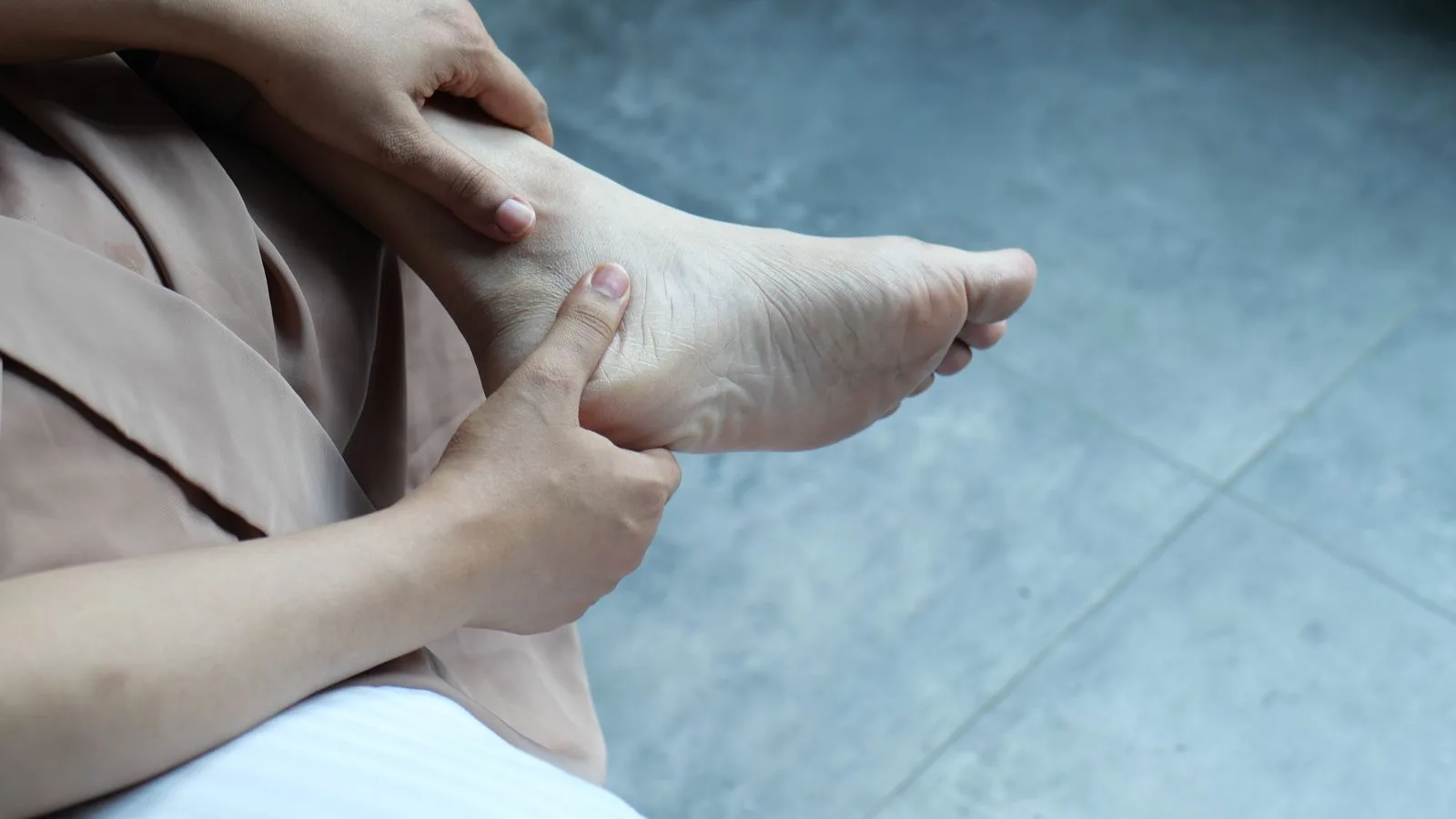
The sharp heel pain on the first step in the morning is often assumed to be a heel spur. But the real name for this condition is plantar fasciitis, and the two aren't the same thing.
6 September 2026 · 2 min read
Orthopaedics and Rehabilitation
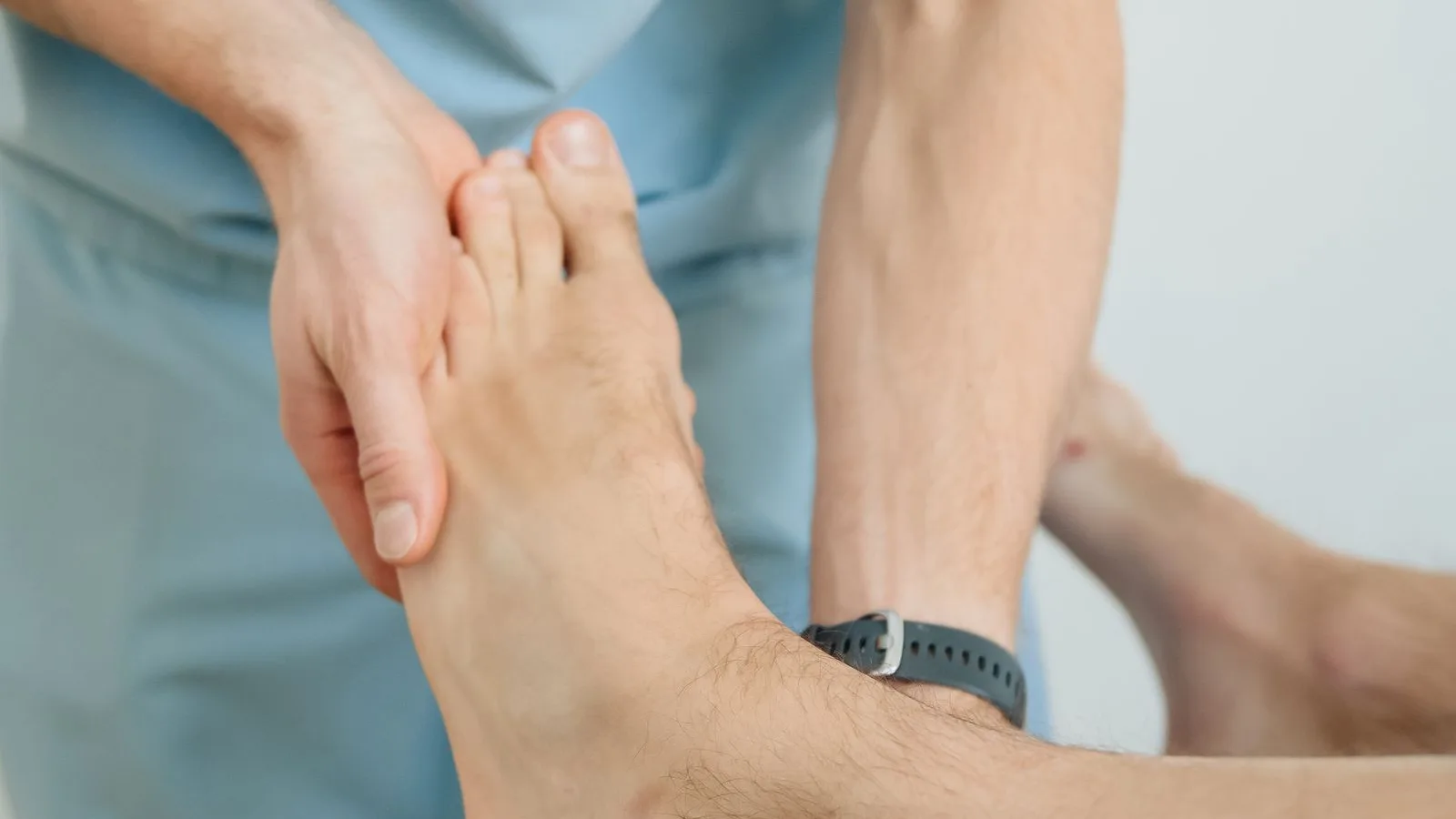
Flat feet aren't a disease in most people and cause no complaint. The real question is whether they're leading to a problem.
6 September 2026 · 1 min read
An exercise-based, one-to-one physiotherapy programme for back pain and pain radiating into the leg.
For back pain that persists without a clear imaging finding: a programme that looks for the source.
For pain travelling from the back into the hip and leg: assessment that identifies the source, then graded exercise.