Herniated Disc: When Is Surgery Actually Needed?
Fizyoterapist Aydın Ali · 20 August 2026 · 2 min read
Fizyoterapist Aydın Ali · 20 August 2026 · 2 min read

Seeing a herniation on an MRI doesn't mean surgery is needed. What decides the question isn't the image — it's the nature and course of the symptoms.
Most people diagnosed with a herniated disc start thinking about surgery the moment they see the MRI report. But the presence of a herniation isn't the only criterion for the surgery decision — often it isn't even the main one.
Studies show that a disc herniation shows up on MRI in many people who have never experienced back pain. In other words, herniation is a common finding in the spine as we age, and on its own it doesn't mean it's the source of the pain. The decision is made based on the person's symptoms, not the image.
Even with pain radiating into the leg, numbness or tingling, as long as there's no significant loss of muscle strength and bladder or bowel control isn't affected, the first step is almost always physiotherapy. In the large majority of cases, a properly structured 6–12-week programme produces a result on par with surgery — because herniated disc tissue tends to shrink over time and the body can reduce the inflammation on its own.
Certain situations call for urgent assessment: a marked loss of strength in the foot (such as being unable to lift the ankle), a sudden loss of bladder or bowel control, or numbness in the saddle region (inner thigh). These indicate the nerve compression has become serious and warrant an immediate referral to a physician.
Another indication for surgery is a lack of clear improvement within 6–12 weeks despite a disciplined physiotherapy programme. The key phrase there is "disciplined" — a programme attended irregularly or abandoned early shouldn't be counted as having failed.
Assessment identifies which movements reduce the pain and which increase it, and the programme is built around that. At the same time, the person is informed about which symptoms require urgent physician assessment — that's part of running the process safely.
In a herniated disc, the decision lies not in the MRI but in the clinical course. A proper assessment matters as much for avoiding an unnecessary surgery as for not delaying one that is genuinely needed.
Fzt. Aydın Ali assesses your herniated disc symptoms in Bursa Nilüfer and manages the process together with you, referring to a physician where needed. You can book an appointment.

Orthopaedics and Rehabilitation
Chiropractic and manual therapy are often confused. Both are done with the hands, but their approaches and frameworks differ.
6 September 2026 · 2 min read
Orthopaedics and Rehabilitation
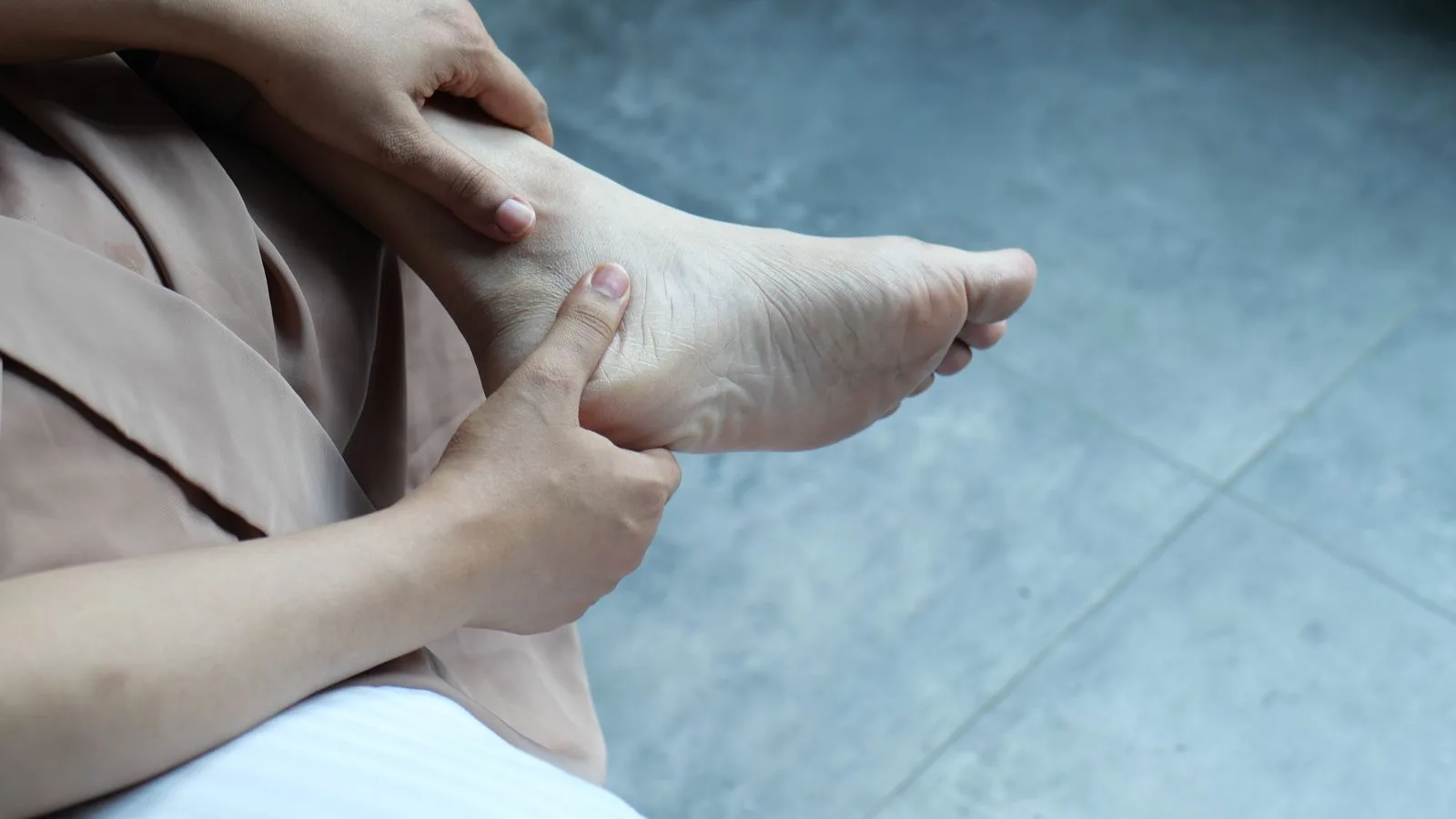
The sharp heel pain on the first step in the morning is often assumed to be a heel spur. But the real name for this condition is plantar fasciitis, and the two aren't the same thing.
6 September 2026 · 2 min read
Orthopaedics and Rehabilitation
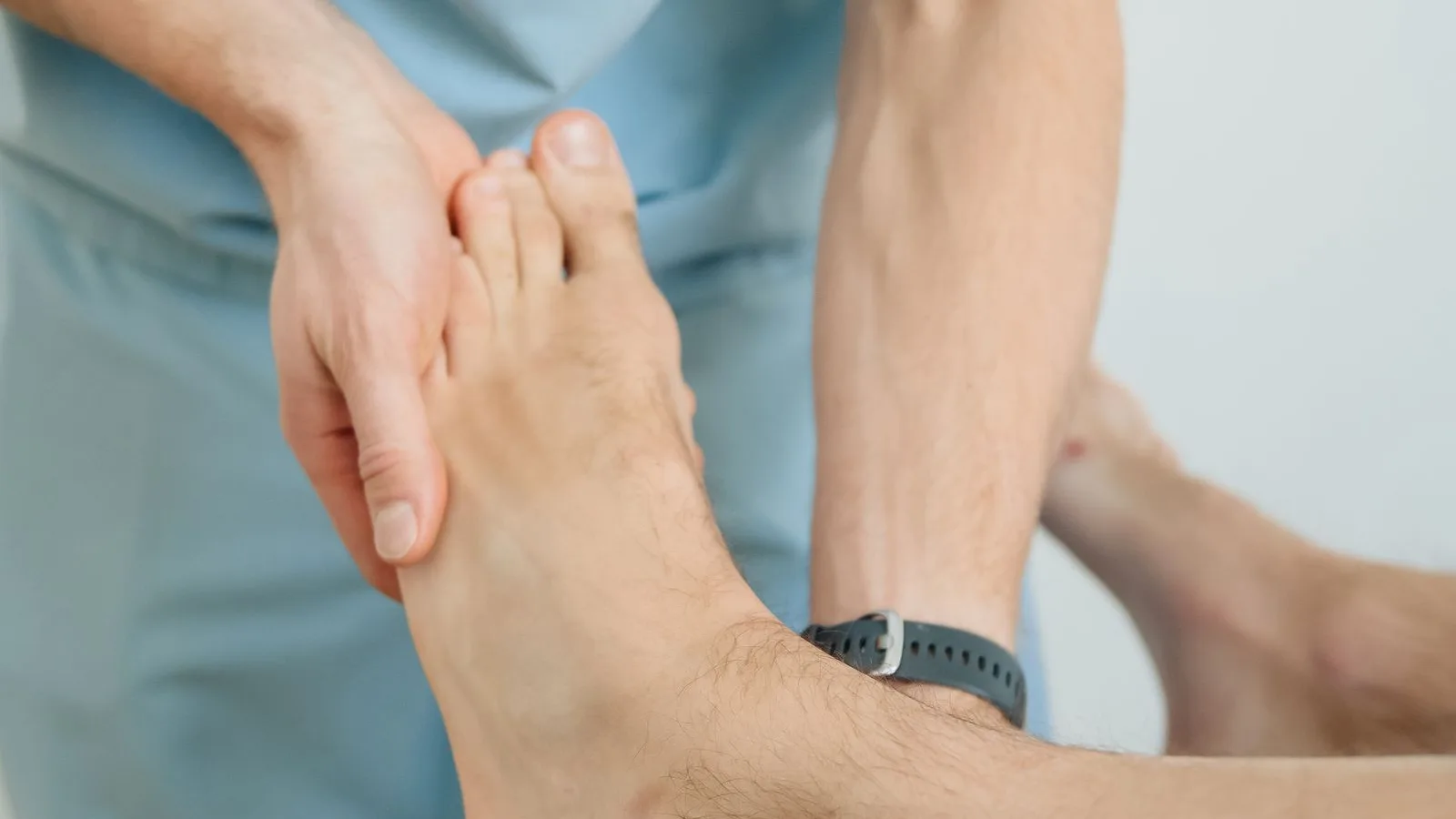
Flat feet aren't a disease in most people and cause no complaint. The real question is whether they're leading to a problem.
6 September 2026 · 1 min read
An exercise-based, one-to-one physiotherapy programme for back pain and pain radiating into the leg.
A programme focused on posture and the deep neck muscles for pain spreading into the neck, shoulder and arm.
For pain travelling from the back into the hip and leg: assessment that identifies the source, then graded exercise.