Does Flat Foot Cause Pain, and When Should You Take It Seriously?
Fizyoterapist Aydın Ali · 6 September 2026 · 1 min read
Fizyoterapist Aydın Ali · 6 September 2026 · 1 min read
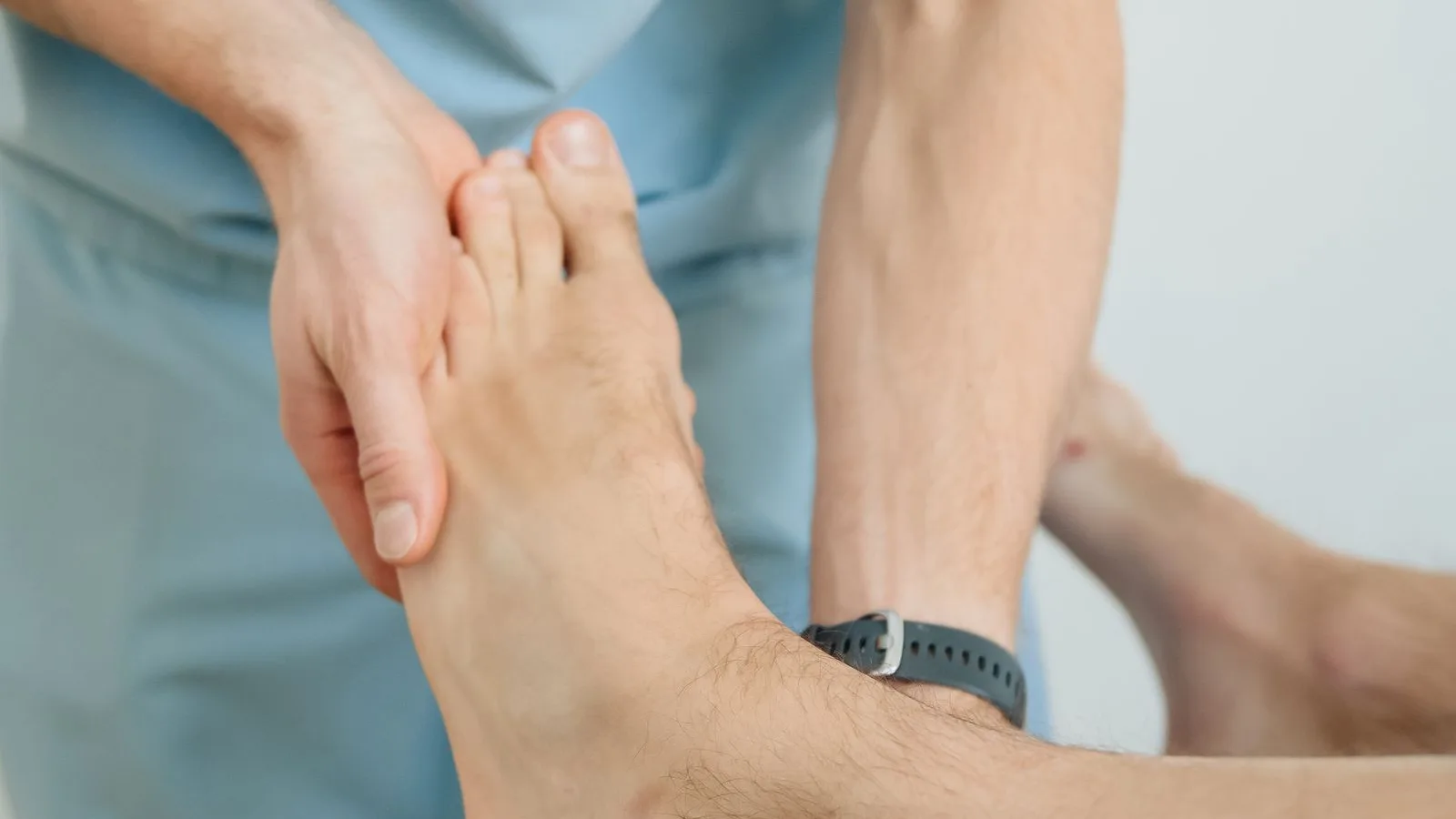
Flat feet aren't a disease in most people and cause no complaint. The real question is whether they're leading to a problem.
Flat feet means the inner arch of the foot is low or entirely absent. In most people it isn't a "disease" and causes no complaint at all. The real question isn't "do I have flat feet" — it's "is it leading to pain or a problem."
Recurring pain in the foot/heel/calf, quick fatigue, the ankle rolling inward, a chain of complaints reaching up to the knee-hip, or flattening that develops later in one foot. If there's no complaint, flat feet alone isn't something that needs "correcting."
Insoles alone aren't the solution; staying permanently dependent on support without strengthening the muscles doesn't help in the long run.
No. Routine insole use isn't recommended for flexible flat feet without a complaint; the foot arch usually develops on its own toward school age. The insole decision is made after assessment, if there are concrete complaints like pain, avoidance of walking, or one-sided findings.
Suddenly developing flattening, noticeable swelling, deformity, or gradually increasing pain.
Fzt. Aydın Ali first tells apart whether foot complaints are genuinely coming from flat feet; runs a programme in person, completed with strengthening and insoles if needed.

Orthopaedics and Rehabilitation
Chiropractic and manual therapy are often confused. Both are done with the hands, but their approaches and frameworks differ.
6 September 2026 · 2 min read
Orthopaedics and Rehabilitation
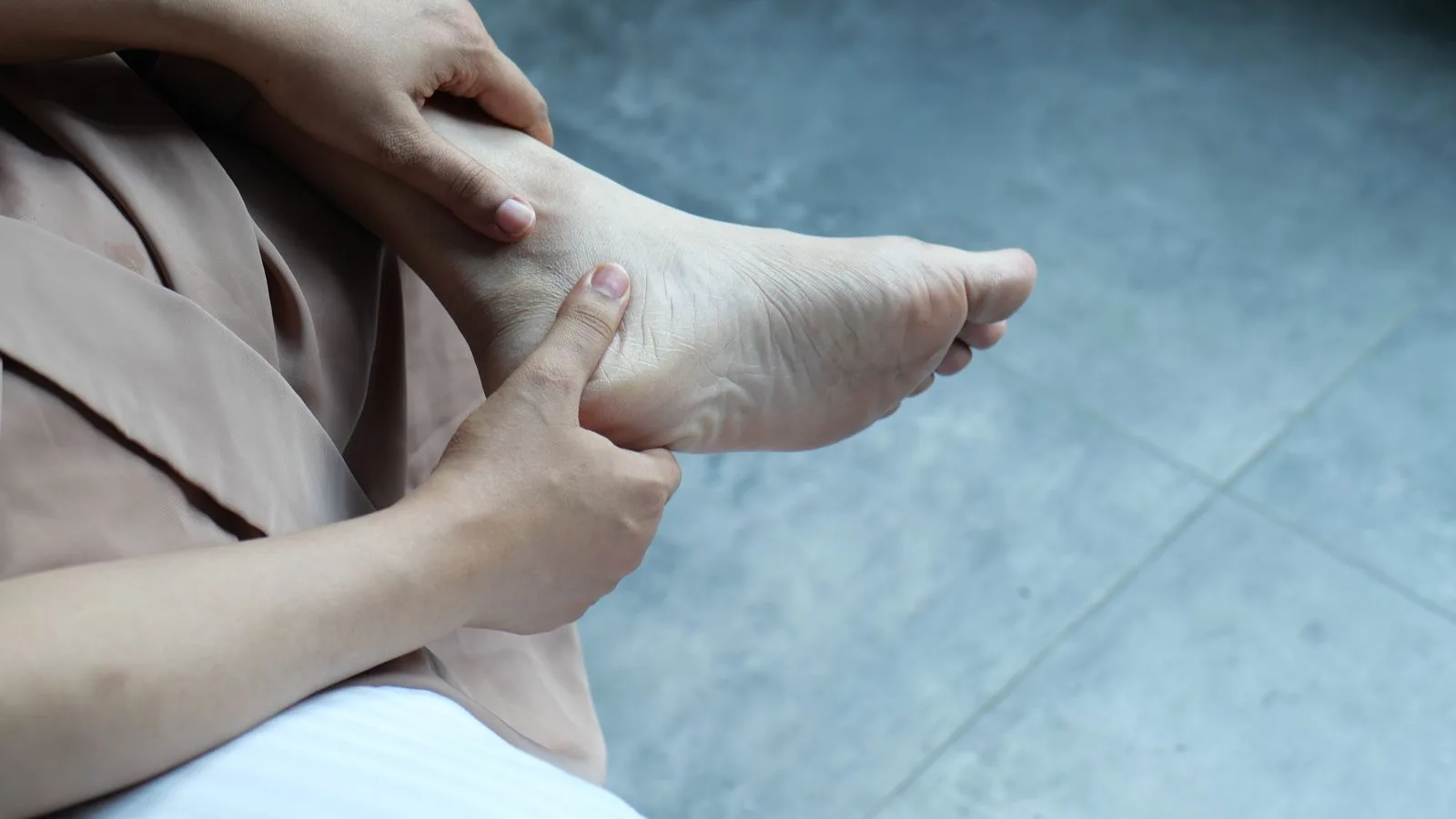
The sharp heel pain on the first step in the morning is often assumed to be a heel spur. But the real name for this condition is plantar fasciitis, and the two aren't the same thing.
6 September 2026 · 2 min read
Spinal Health
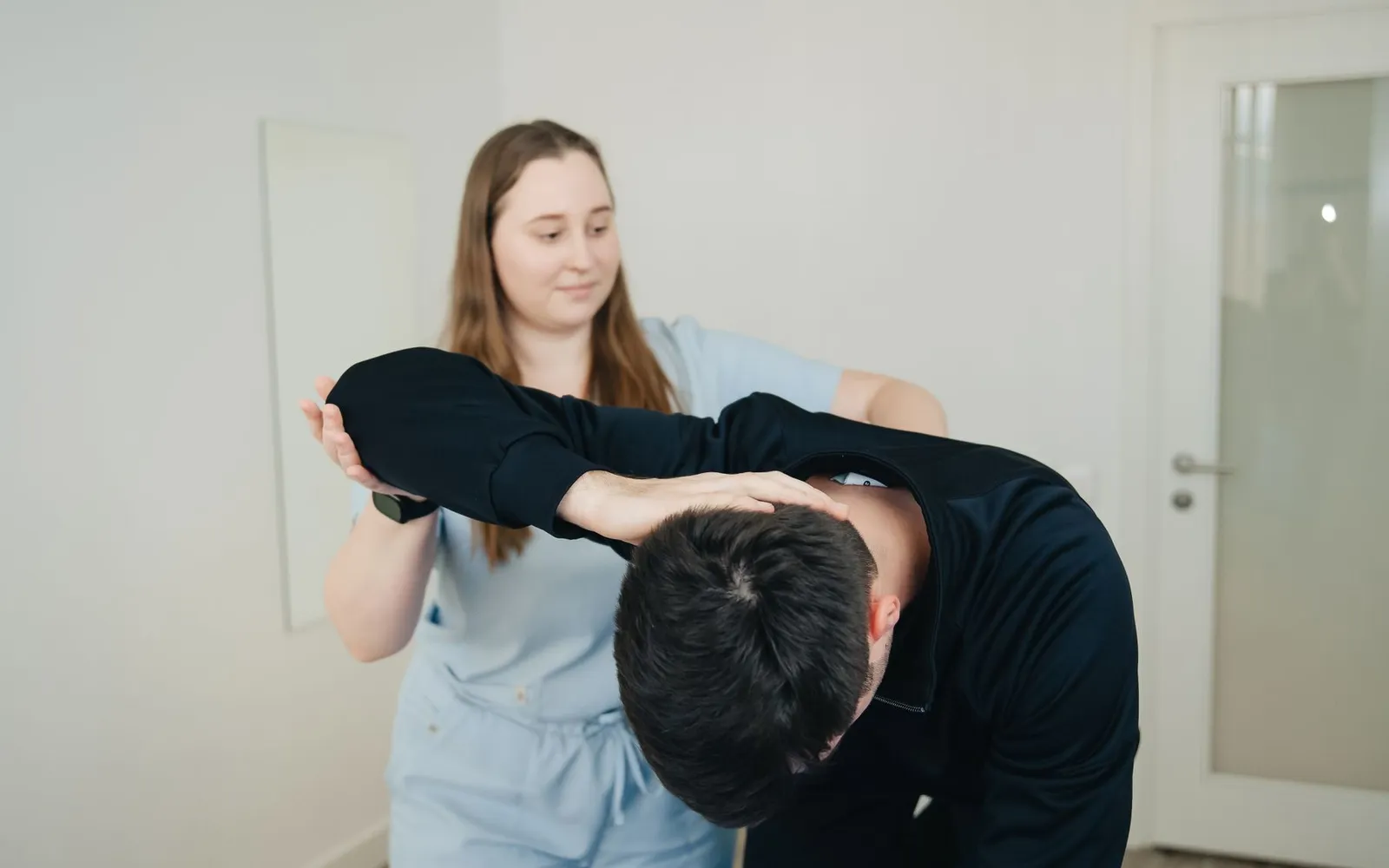
"Which doctor should I see for a herniated disc?" is one of the most common questions. The answer isn't a single department; it depends on the clinical picture.
6 September 2026 · 3 min read
For a collapsing arch that causes symptoms: strengthening and load management, not routine intervention.
Balance and strength-focused rehabilitation for sprains, ligament injuries, Achilles problems and heel pain.
For heel pain that bites on the first step of the morning: shockwave, load management and a graded strengthening programme.