Physiotherapist or Physical Medicine? What's the Difference?
Fizyoterapist Aydın Ali · 9 October 2026 · 2 min read
Fizyoterapist Aydın Ali · 9 October 2026 · 2 min read
“Physical medicine” and “physiotherapy” are often confused. Which one is the physician's job, which is the physiotherapist's — and which do you need?
Many people who say “I'm going for physical medicine” actually mean physiotherapy — and sometimes the other way round. The two overlap, so the mix-up is natural. Knowing the difference helps you knock on the right door the first time.
In short: no, but they complement each other.
Physical Medicine and Rehabilitation (PM&R) is a medical specialty. The physician in this field makes the diagnosis, orders imaging/tests when needed, prescribes medication or injections, and sets out a rehabilitation plan.
Physiotherapy is the field in which that plan is applied. The physiotherapist assesses you and works to restore movement, strength and function through exercise, manual therapy and movement training. A physiotherapist is not a physician; they don't diagnose or prescribe — they work within their scope, alongside a physician when needed.
| PM&R physician | Physiotherapist | |
|---|---|---|
| Training | Medical school + PM&R specialty | Physiotherapy & rehabilitation degree |
| Diagnosis | Yes | No (assesses, refers to a physician) |
| Medication / injection | Yes | No |
| Exercise, manual therapy, movement training | Plans | Applies and progresses to the person |
| When | Diagnosis, medical treatment, red-flag suspicion | Rehabilitation, recovery through exercise, pain management |
Most often the two work together: the physician clarifies the picture, the physiotherapist delivers recovery with a personalised programme.
See a physician before physiotherapy if there is: loss of bladder/bowel control, rapidly progressing weakness, pain with fever or unintended weight loss, or a recent serious trauma.
Fzt. Aydın Ali begins every process in Bursa Nilüfer with an assessment: the mechanics of the pain are worked out, a physician referral is made where needed, and the programme is built around the person. The aim is not to “fix” pain once, but a lasting recovery that lowers the chance of recurrence. In conditions such as a herniated disc or a neck hernia, the approach follows the person's day-to-day complaint, not a single finding on a scan.
No method is promised as a “definitive cure” or “guarantee”; it is said from the start that the outcome varies with the condition, adherence and time.
Orthopaedics and Rehabilitation
Licence, one-to-one work, starting with an assessment, realistic expectations… The concrete criteria to look for when choosing the right physiotherapist.
7 October 2026 · 2 min read

Orthopaedics and Rehabilitation
Chiropractic and manual therapy are often confused. Both are done with the hands, but their approaches and frameworks differ.
6 September 2026 · 2 min read
Orthopaedics and Rehabilitation
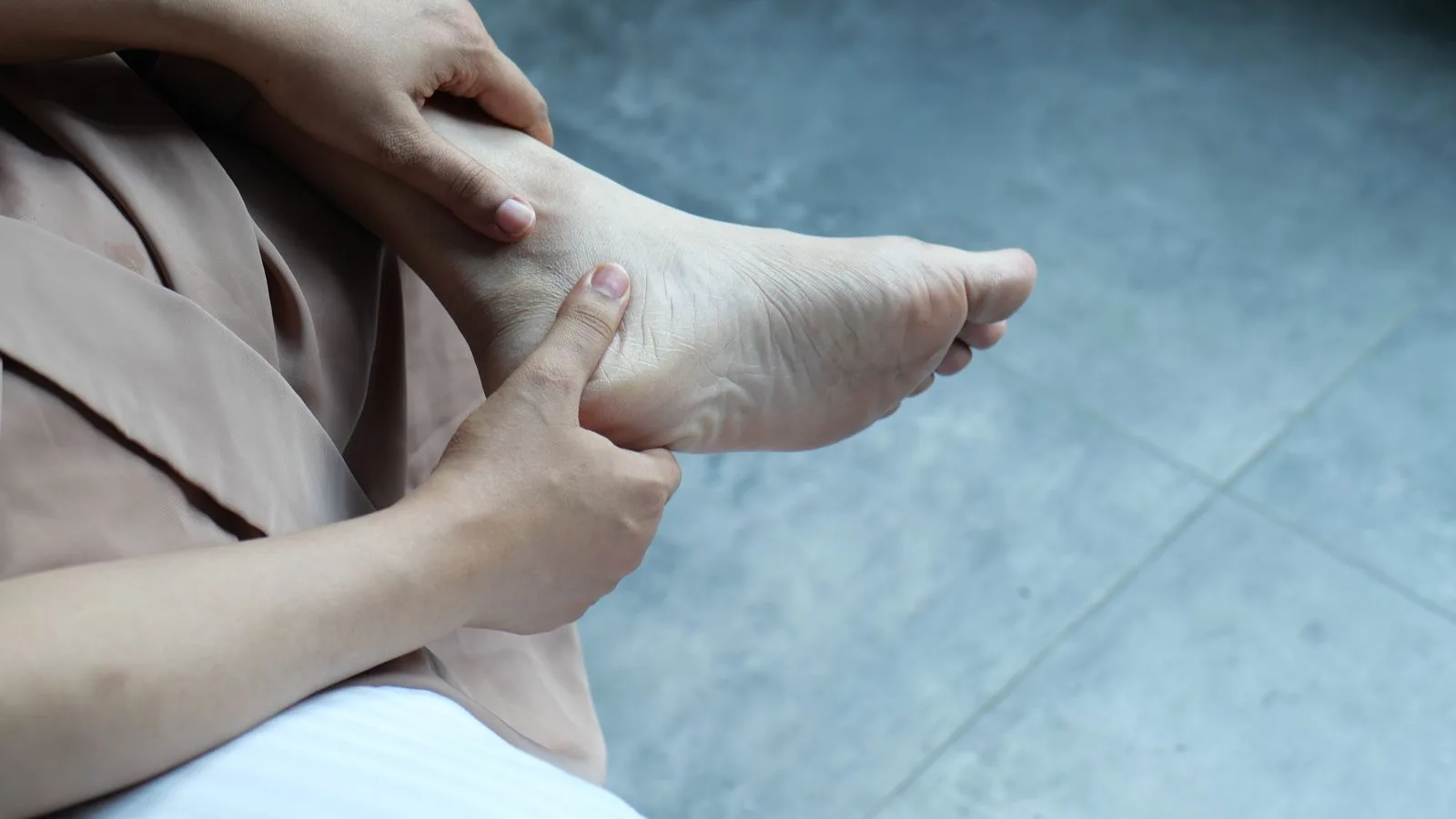
The sharp heel pain on the first step in the morning is often assumed to be a heel spur. But the real name for this condition is plantar fasciitis, and the two aren't the same thing.
6 September 2026 · 2 min read
Graded, measurement-based rehabilitation for joint problems and the period after orthopaedic surgery.
Strength-focused rehabilitation for meniscus and ligament injuries, cartilage wear and the period after surgery.
For heel pain that bites on the first step of the morning: shockwave, load management and a graded strengthening programme.