My MRI Shows a Meniscus Tear — What Should I Do Now?
Fizyoterapist Aydın Ali · 6 September 2026 · 2 min read
Fizyoterapist Aydın Ali · 6 September 2026 · 2 min read
Seeing the words "meniscus tear" on an MRI report causes panic. But the first step isn't surgery — it's understanding whether the knee is genuinely locking.
Seeing the phrase "meniscus tear" on an MRI report immediately makes most people think of surgery. But the first step to take isn't about surgery: it's telling apart whether the knee is genuinely, mechanically locking.
Genuine locking is a fixed, recurring situation where the knee can't be moved past a certain point either into full extension or full flexion. Beyond that, a sense of "catching," "giving way," or an occasional feeling of "being locked" is often not genuine mechanical locking — it can be due to muscle-based guarding.
There are a great many people with no complaint at all whose MRI shows a meniscus tear; especially after age 40, this finding becomes a normal, age-related one. That's why the decision is made based not on the tear itself in the image, but on how the knee actually behaves.
If there's no genuine locking, the programme is built on gradually strengthening the muscles around the knee and regaining the ability to load the knee safely. Progress is tracked over weeks through pain-free range of motion and strength measurements; "feeling good" alone isn't a sufficient criterion.
Surgical assessment comes up for genuine mechanical locking, a complaint that doesn't resolve despite regular rehabilitation, or specific traumatic tears in a young, active person. This decision belongs to the orthopaedic surgeon; the physiotherapy assessment is a step that brings clarity before that decision.
If the knee is genuinely locking, there's unbearable pain, or noticeable swelling, assessment shouldn't be delayed.
Fzt. Aydın Ali first assesses clients whose MRI shows a meniscus tear based on the knee's actual behaviour, clarifying early on when a worry about unnecessary surgery can be set aside.
Orthopaedics and Rehabilitation
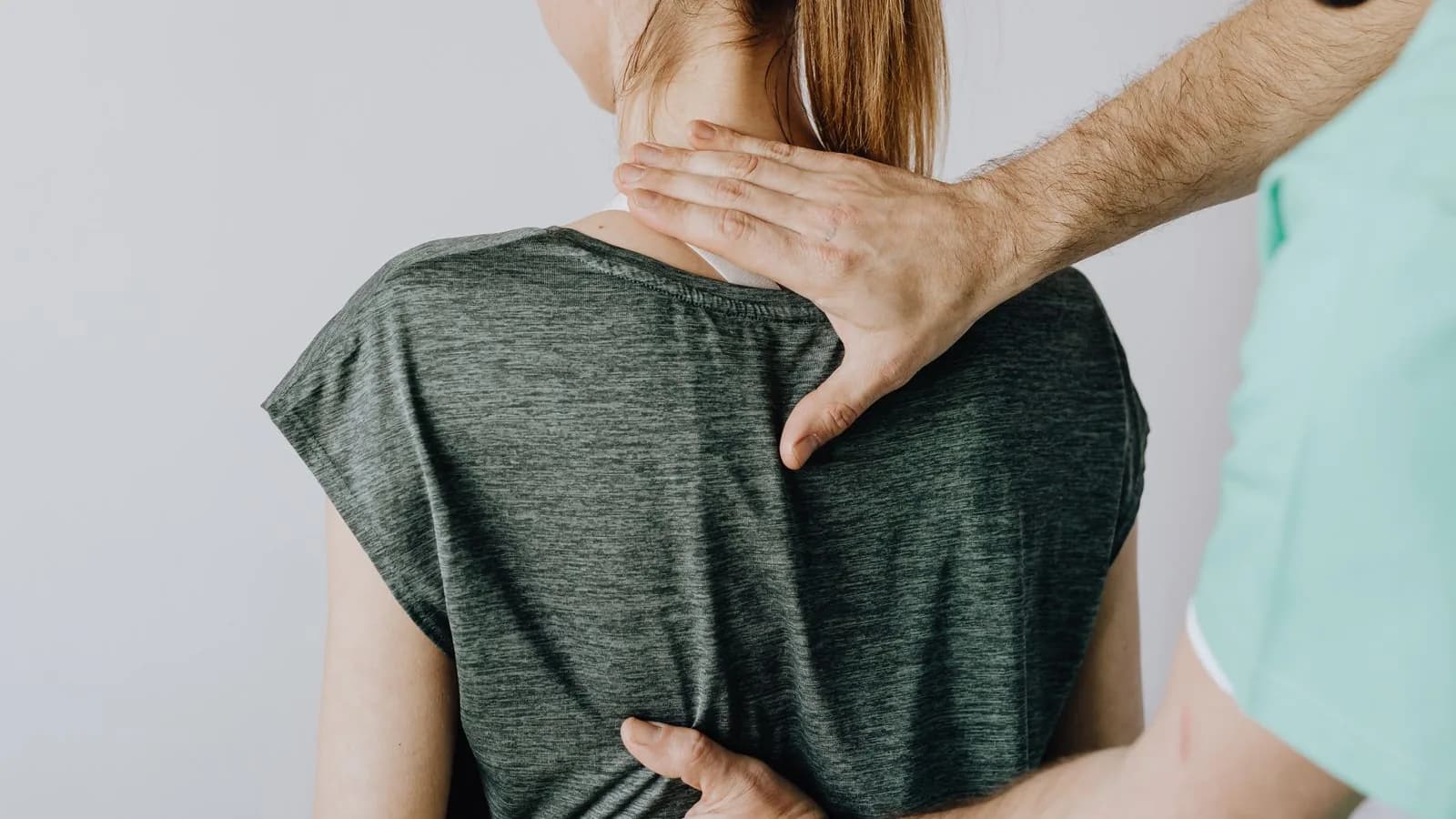
Chiropractic and manual therapy are often confused. Both are done with the hands, but their approaches and frameworks differ.
6 September 2026 · 2 min read
Orthopaedics and Rehabilitation
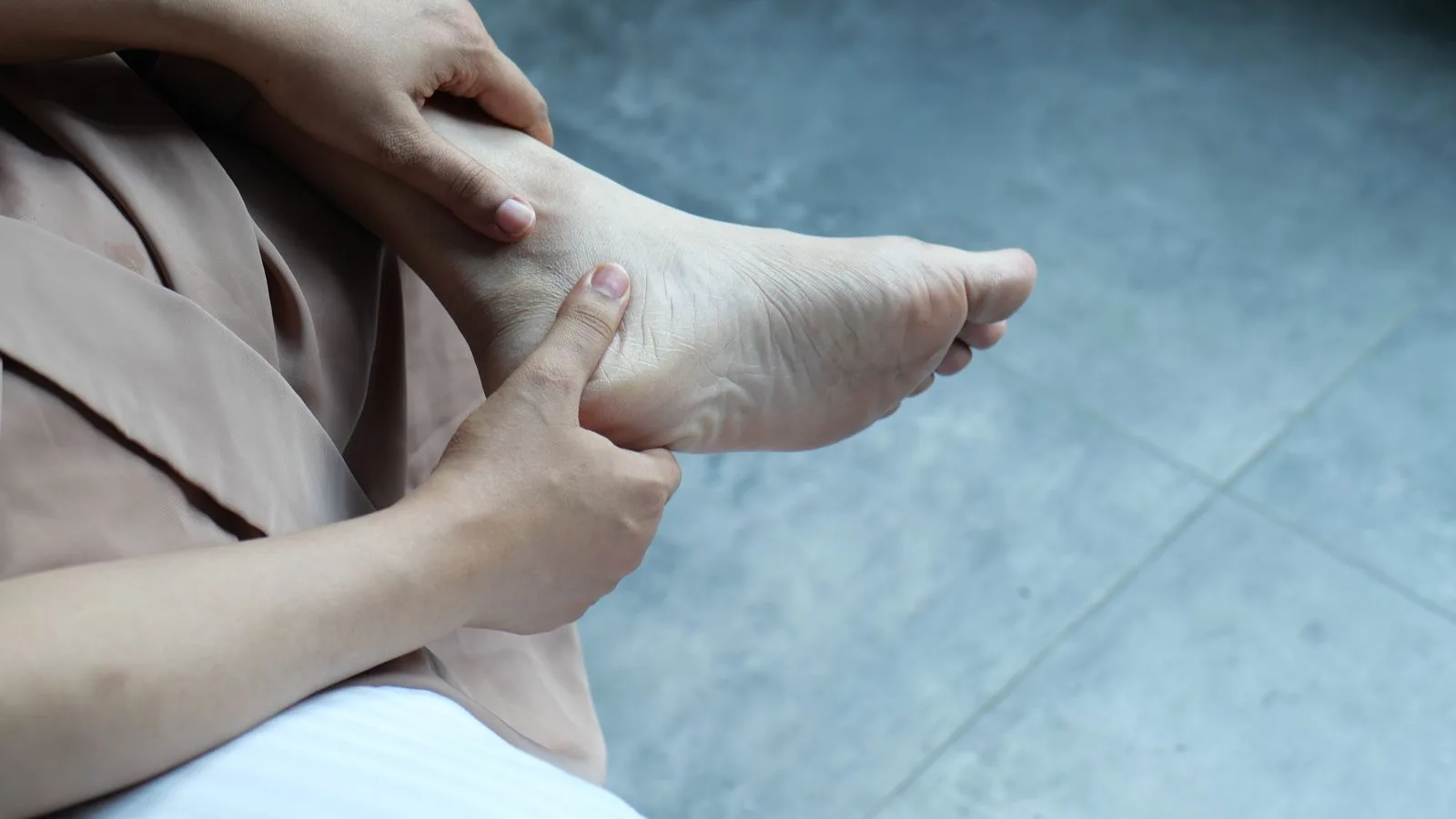
The sharp heel pain on the first step in the morning is often assumed to be a heel spur. But the real name for this condition is plantar fasciitis, and the two aren't the same thing.
6 September 2026 · 2 min read
Orthopaedics and Rehabilitation
Flat feet aren't a disease in most people and cause no complaint. The real question is whether they're leading to a problem.
6 September 2026 · 1 min read
For meniscus tears, with or without surgery: graded rehabilitation that makes the knee trustworthy again.
The full ACL pathway: preparation before surgery through to a measured, test-based return to sport.
Strength-focused rehabilitation for meniscus and ligament injuries, cartilage wear and the period after surgery.