Neuroplasticity: Why the Brain Becomes Oversensitive in Chronic Pain
Fizyoterapist Aydın Ali · 24 June 2026 · 1 min read
Fizyoterapist Aydın Ali · 24 June 2026 · 1 min read
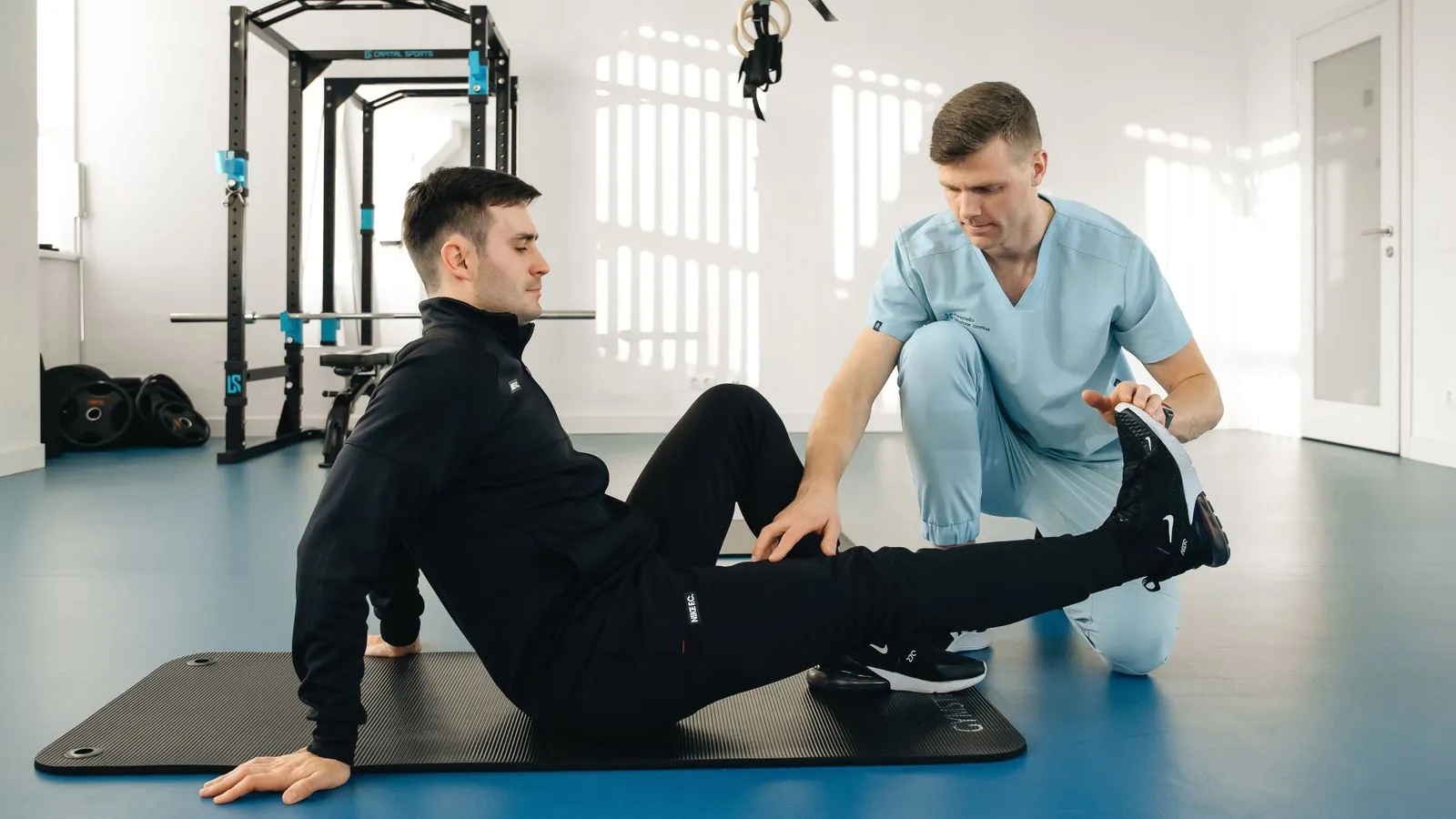
In chronic pain, the tissue damage has sometimes healed long ago, yet the pain continues. The cause isn't in the tissue — it's in how the nervous system processes pain.
Clients with long-standing back or neck pain often ask: "the imaging shows nothing, so why do I still hurt?" The answer lies in the concept of neuroplasticity.
As pain signals repeat, the pain pathways in the spinal cord and brain can become more sensitive — much like a well-used path widening over time. That means pain can continue even without ongoing tissue damage.
Neuroplasticity doesn't only increase sensitivity — it also allows it to be reduced. Movement at the right dose, together with pain education, lets an oversensitised system recalibrate.
Learning that pain doesn't always mean tissue damage reduces avoidance behaviour and makes movement easier — a measurable clinical benefit in itself.
Fzt. Aydın Ali combines pain education with graded movement for chronic pain clients in Bursa Nilüfer. You can book an appointment.
Orthopaedics and Rehabilitation
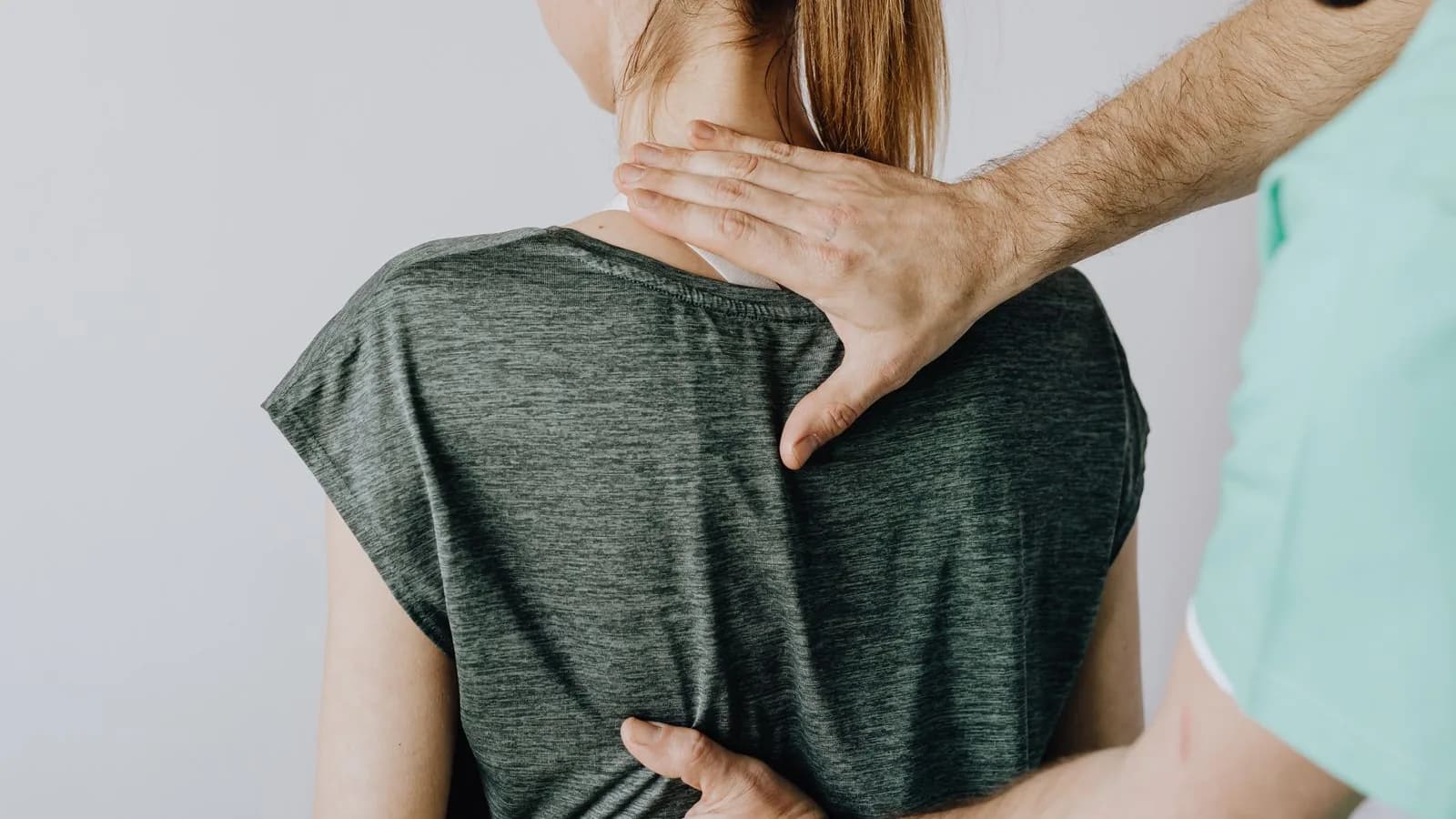
Chiropractic and manual therapy are often confused. Both are done with the hands, but their approaches and frameworks differ.
6 September 2026 · 2 min read
Orthopaedics and Rehabilitation
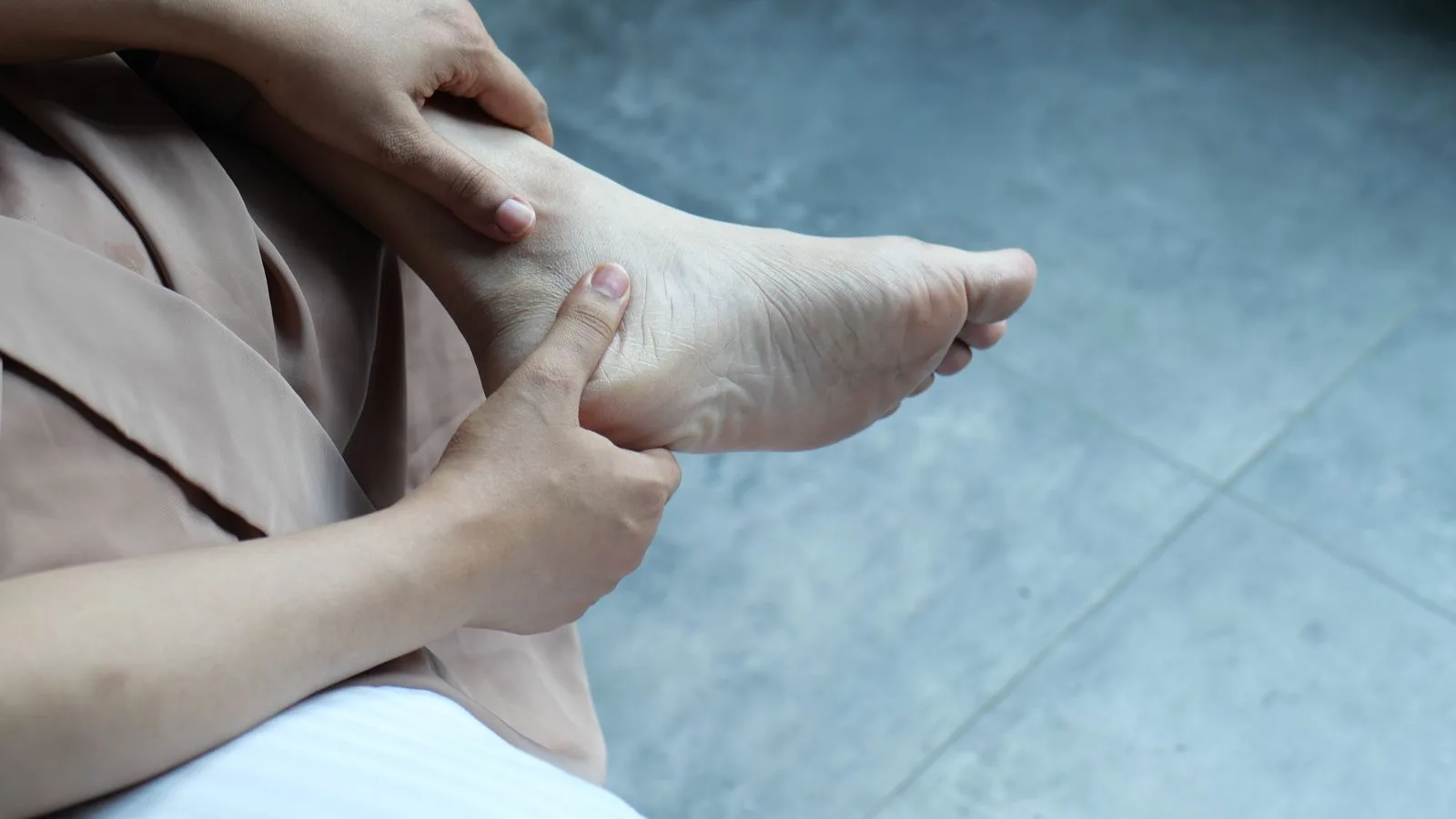
The sharp heel pain on the first step in the morning is often assumed to be a heel spur. But the real name for this condition is plantar fasciitis, and the two aren't the same thing.
6 September 2026 · 2 min read
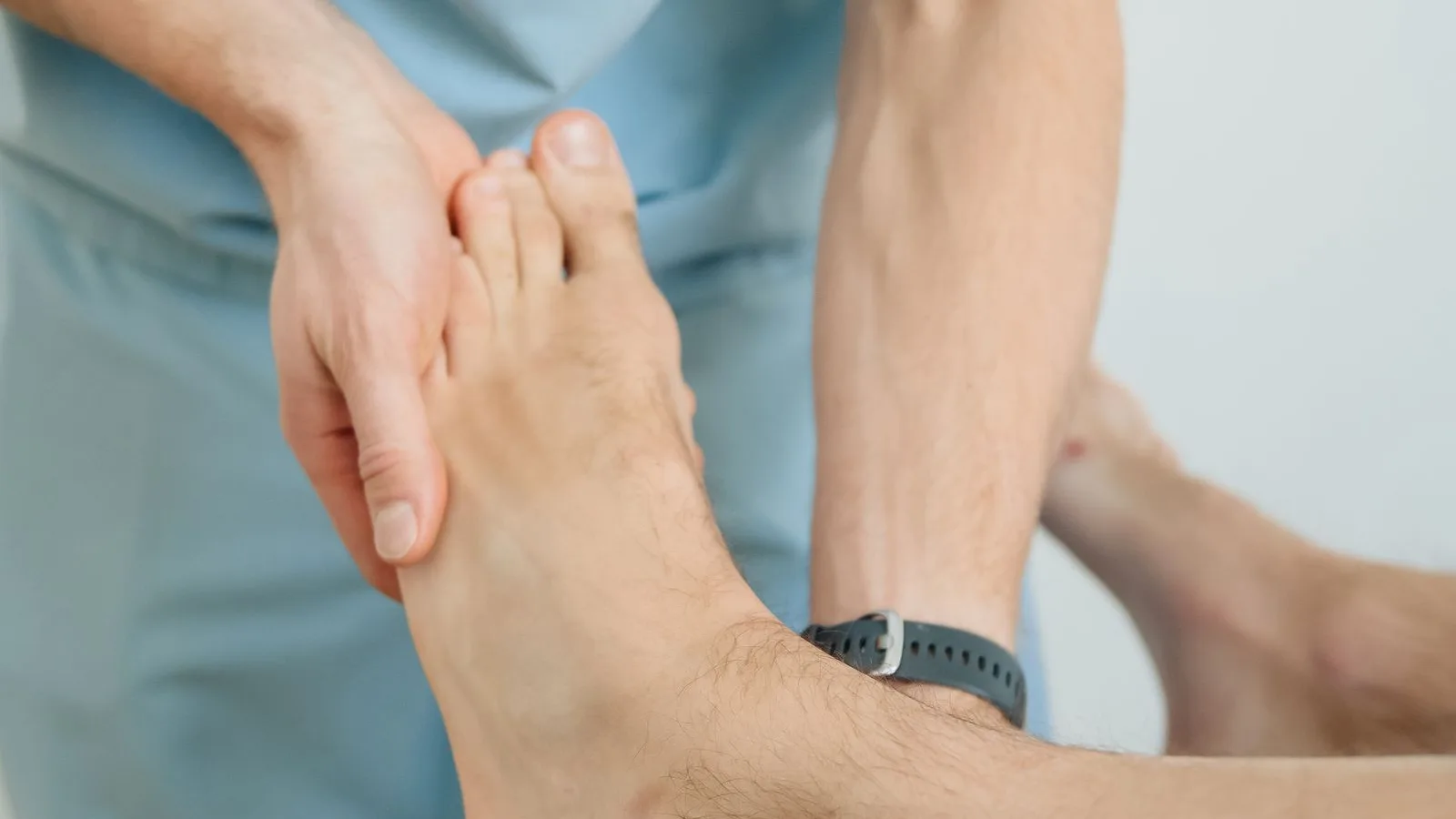
Orthopaedics and Rehabilitation
Flat feet aren't a disease in most people and cause no complaint. The real question is whether they're leading to a problem.
6 September 2026 · 1 min read
A programme aimed at walking, balance and daily independence after stroke, MS, Parkinson's and brain injury.
Long-term support focused on independence and quality of life in cerebral palsy, muscle disease and spinal cord injury.
Graded, measurement-based rehabilitation for joint problems and the period after orthopaedic surgery.