
Ergonomic Office Setup: Desk, Chair and Screen Height
Fizyoterapist Aydın Ali · 20 August 2026 · 2 min read
Fizyoterapist Aydın Ali · 20 August 2026 · 2 min read
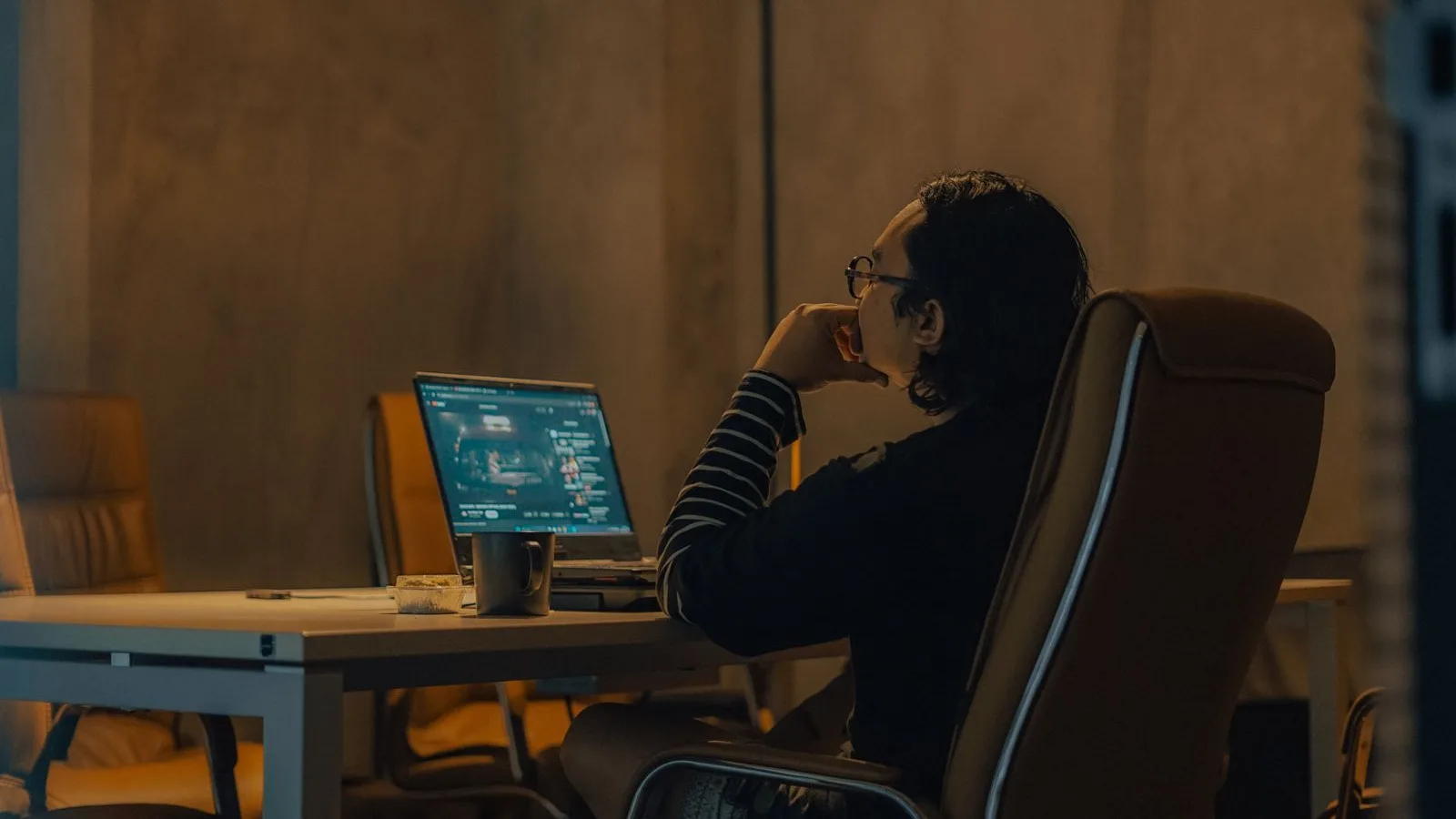
An expensive "ergonomic" chair on its own changes little. The real difference comes from how the desk, chair and screen are set relative to each other.
A significant share of the back and neck pain seen in office workers doesn't come from one bad habit — it comes from the desk, chair and screen being set incorrectly relative to each other. The good news is that fixing this is usually free; what's needed is knowing the right measurements.
Adjustment starts with the chair: feet should sit flat on the floor, knees level with or slightly below the hips. If the chair is too high the feet dangle and pressure builds under the thighs; if it's too low the knees sit above the hips and the lower back hollows out.
The lumbar support built into most chairs exists to maintain the lower back's natural inward curve. Sitting away from the backrest and leaning forward without using it renders that support completely useless — however good it is, it doesn't help if it isn't used.
At the right desk height, the shoulders stay relaxed and the elbows reach the keyboard at roughly a 90-degree angle. If the desk is too high the shoulders stay permanently raised; if it's too low the torso leans forward — both lead to neck and shoulder tension.
On a laptop, the top edge of the screen sits below eye level, which keeps the neck bent forward constantly — the main cause of what's known as "tech neck." A laptop should be raised on a stand or a stack of books so the screen reaches eye level, and typed on with an external keyboard and mouse.
The screen should sit roughly an arm's length away (about 50–70 cm) and tilt slightly back. A screen that's too close strains the eyes; one that's too far pulls the neck forward.
Even the ideal setup doesn't fully cancel out the effect of staying still for hours. Standing up for a short walk every 30–45 minutes is a requirement independent of equipment adjustment, needed to regularly break the static load.
Fzt. Aydın Ali assesses your work setup in Bursa Nilüfer and builds a physiotherapy programme together with personalised ergonomic recommendations. You can book an appointment.

Orthopaedics and Rehabilitation
Chiropractic and manual therapy are often confused. Both are done with the hands, but their approaches and frameworks differ.
6 September 2026 · 2 min read
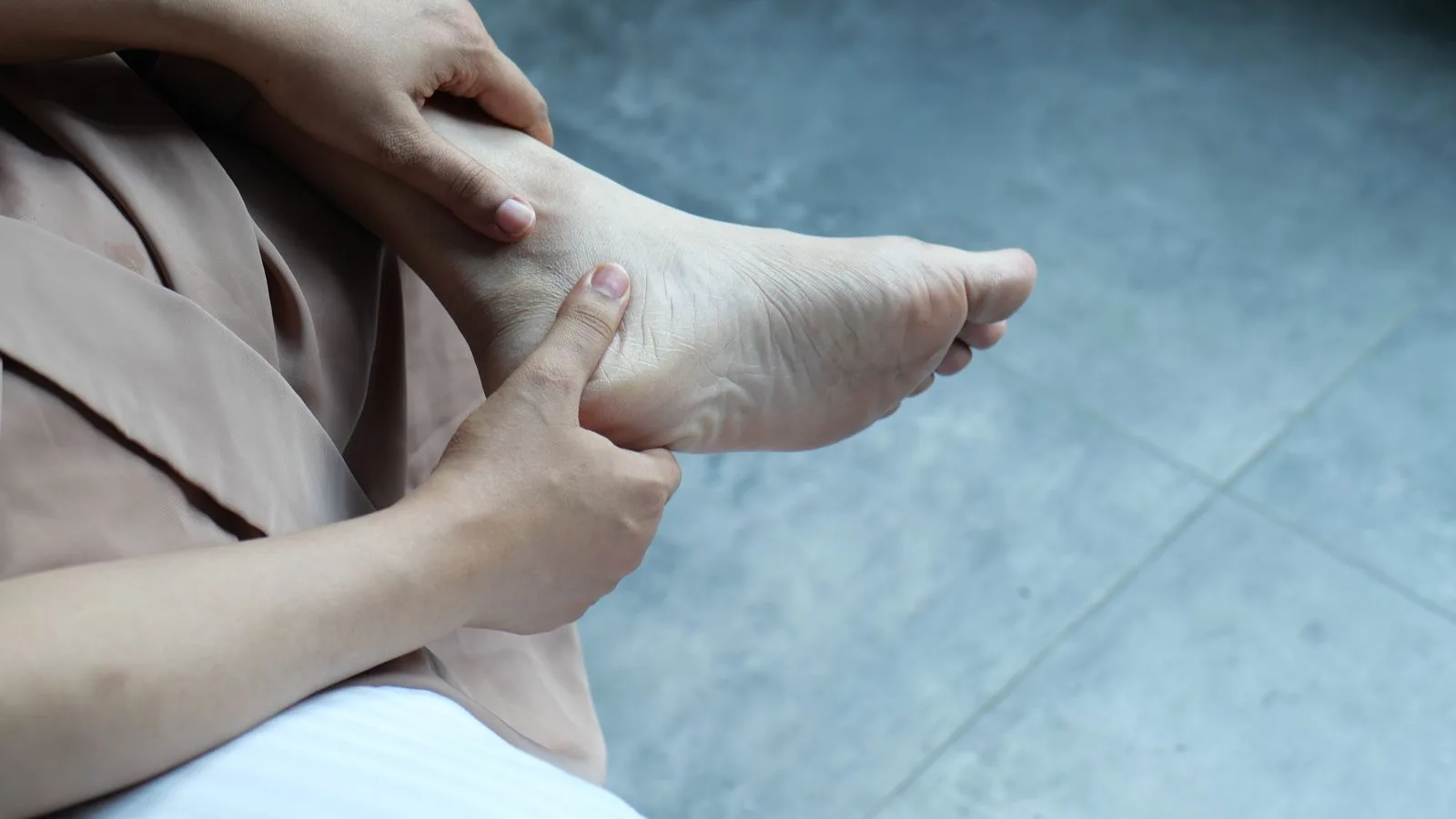
Orthopaedics and Rehabilitation
The sharp heel pain on the first step in the morning is often assumed to be a heel spur. But the real name for this condition is plantar fasciitis, and the two aren't the same thing.
6 September 2026 · 2 min read
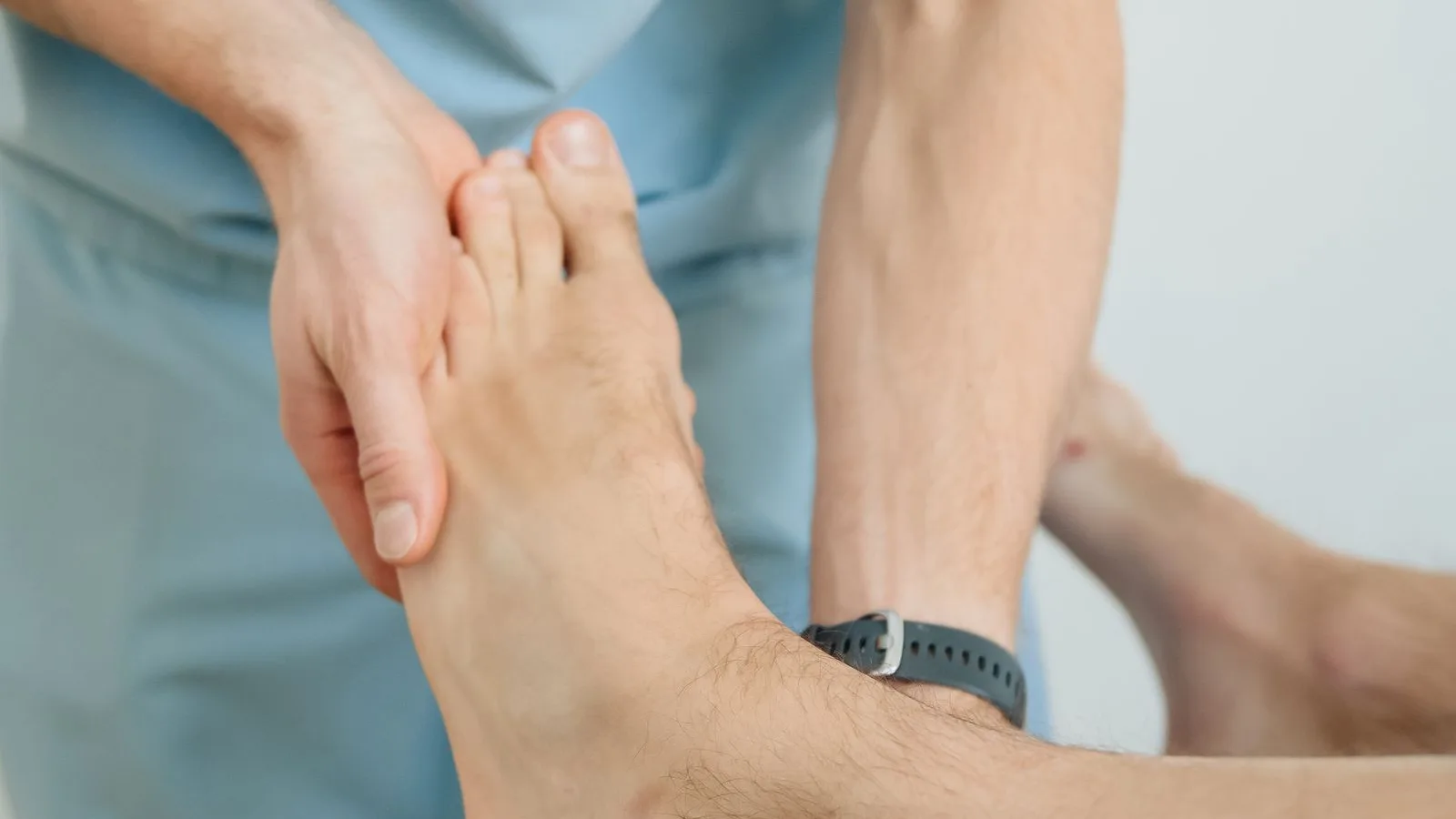
Orthopaedics and Rehabilitation
Flat feet aren't a disease in most people and cause no complaint. The real question is whether they're leading to a problem.
6 September 2026 · 1 min read
An exercise-based, one-to-one physiotherapy programme for back pain and pain radiating into the leg.
A programme focused on posture and the deep neck muscles for pain spreading into the neck, shoulder and arm.
For pain travelling from the back into the hip and leg: assessment that identifies the source, then graded exercise.