ACL Tear: Is Surgery Necessary?
Fizyoterapist Aydın Ali · 31 August 2026 · 6 min read · Last updated:
Fizyoterapist Aydın Ali · 31 August 2026 · 6 min read · Last updated:
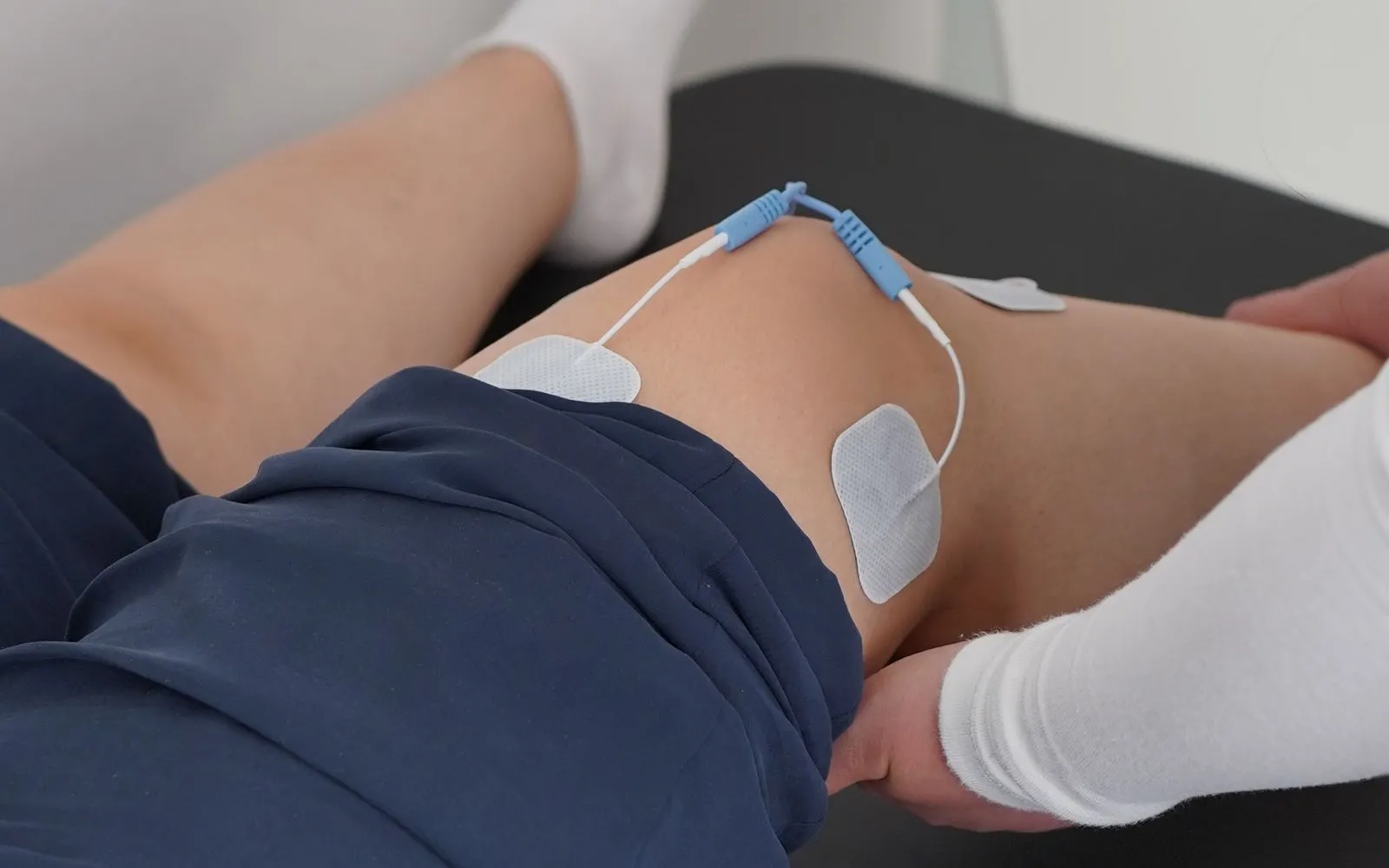
After an ACL tear, the outcome depends as much on the rehabilitation that follows as on the tear itself, and the surgery decision is shaped by it.
The anterior cruciate ligament (ACL) sits inside the knee, connecting the thigh bone to the shin bone and controlling forward sliding and excessive rotation of the shin. It usually tears in sports that involve sudden changes of direction, landing from jumps and abrupt stops, such as football, basketball or skiing. The most common question afterwards is: is surgery necessary? The short answer: not for everyone. But with or without surgery, good rehabilitation is necessary for everyone.
Many people describe a "pop" at the moment of injury. The knee usually swells within hours; bearing weight and fully straightening the knee become difficult in the first days. Once the swelling settles, the most noticeable complaint is the knee "giving way", especially when turning. Diagnosis is made by a doctor's examination and MRI if needed.
The decision depends on several factors:
| Factor | Points towards surgery | Supports the non-surgical route |
|---|---|---|
| Activity goal | Returning to sports with sudden direction changes | Straight-line activities such as walking, cycling, swimming |
| Giving way | Repeated giving way even in daily life | Giving way disappears with rehabilitation |
| Associated injury | Meniscus or other ligament damage that needs repair | No additional injury |
| Age and work | Young, physically demanding job | Less demanding daily life |
The orthopaedic surgeon makes the decision. For many people, starting with a few months of structured rehabilitation is a sensible way to see how the knee behaves; if giving way continues, surgery is considered.
Even when surgery is decided, it is not done straight away. A preparation (prehab) phase continues until swelling settles, the knee fully straightens and the thigh muscle is working again. Going into surgery with a strong, mobile knee makes recovery noticeably easier. This phase usually lasts a few weeks.
These phases progress by measurement, not by calendar. After surgery, returning to sport usually takes months; rushing is the most common cause of re-injury.
For people who go without surgery, the programme is also phased, but the goal differs: muscles and control take over the ligament's job as much as possible. The hamstrings get special attention because they help limit forward sliding of the shin. Balance on one leg and controlled practice of sudden stops and turns are the basis for reducing giving way in daily life. Progress is measured regularly; if giving way or swelling recurs, the case is reassessed with the doctor.
With or without surgery, and in line with the surgeon's protocol, these are commonly used early on:
After surgery, when each exercise starts depends on the type of surgery; the programme is therefore built with the surgical report and the surgeon's advice.
| Measure | What it shows |
|---|---|
| Thigh strength difference between legs | Whether the muscles carrying the knee are sufficient |
| Single-leg hop distance and repetitions | Power, control and confidence |
| Jump-landing quality | Whether the knee caves in and how it absorbs load |
| Direction-change drills | Readiness for sport-specific movement |
| Confidence | Psychological readiness to trust the knee |
None of these decides alone; they are assessed together and the return to training is planned gradually.
The knee becomes pain-free after a while, but that does not mean it is ready. Returning to demanding activity without enough strength and control is the most common cause of re-injury. Return decisions therefore weigh strength difference, jump-landing quality and confidence together, not pain alone.
Yes, people who have torn one ACL may have a higher risk of injuring the other knee. The reason is often an imbalance in strength and control between the legs that has not been fully corrected. Rehabilitation therefore covers both legs, not only the injured one.
Warm-up programmes focusing on landing technique, hip and thigh strength and direction-change control can reduce the likelihood of injury, especially in higher-risk sports. See staying active without injury in amateur sport for details.
Locking, pain too severe to bear weight, rapidly developing marked swelling or repeated giving way need an orthopaedic assessment. Since a meniscus injury can accompany the tear, when your MRI shows a meniscus tear can also guide you.
What happens if an ACL tear is not operated on? Many people live their daily lives without problems after strong rehabilitation. But repeated giving way can raise the risk of further meniscus and cartilage damage over time, so if it continues a surgical assessment is considered.
How long does an ACL tear take to heal? Without surgery, return to daily life usually takes weeks to a few months; after surgery, return to demanding sport usually takes months. Strength and control measures, not the calendar, decide.
Does the ACL heal on its own? A fully torn ligament usually does not reunite on its own. But once the muscles strengthen and control returns, many people find their knee no longer gives way in daily life.
When can I walk after surgery? In most protocols weight-bearing with crutches starts early, as far as the surgeon allows; crutches are dropped once walking is safe.
Do I need a knee brace? It can be used during the period your surgeon recommends; what really protects the knee is strong muscles and good control.
How long can surgery wait? Unless it is urgent, surgery is usually planned once swelling settles and the knee straightens fully. Delaying it for a long time, especially if giving way continues, can raise the risk of further meniscus and cartilage damage. Timing is therefore decided with the surgeon based on how the knee behaves.
If I go without surgery, can I still have it later? Yes. Starting with rehabilitation and seeing how the knee behaves does not rule out surgery; if giving way persists, a surgical assessment can always be considered.
See ACL rehabilitation for the treatment process.
Fzt. Aydın Ali runs a measurement-based programme that strengthens the knee and restores control after an ACL tear, with or without surgery.
The full ACL pathway: preparation before surgery through to a measured, test-based return to sport.
For meniscus tears, with or without surgery: graded rehabilitation that makes the knee trustworthy again.
Strength-focused rehabilitation for meniscus and ligament injuries, cartilage wear and the period after surgery.