Seeing "Loss of Cervical Curve" on Your MRI? Don't Panic
Fizyoterapist Aydın Ali · 27 July 2026 · 1 min read
Fizyoterapist Aydın Ali · 27 July 2026 · 1 min read
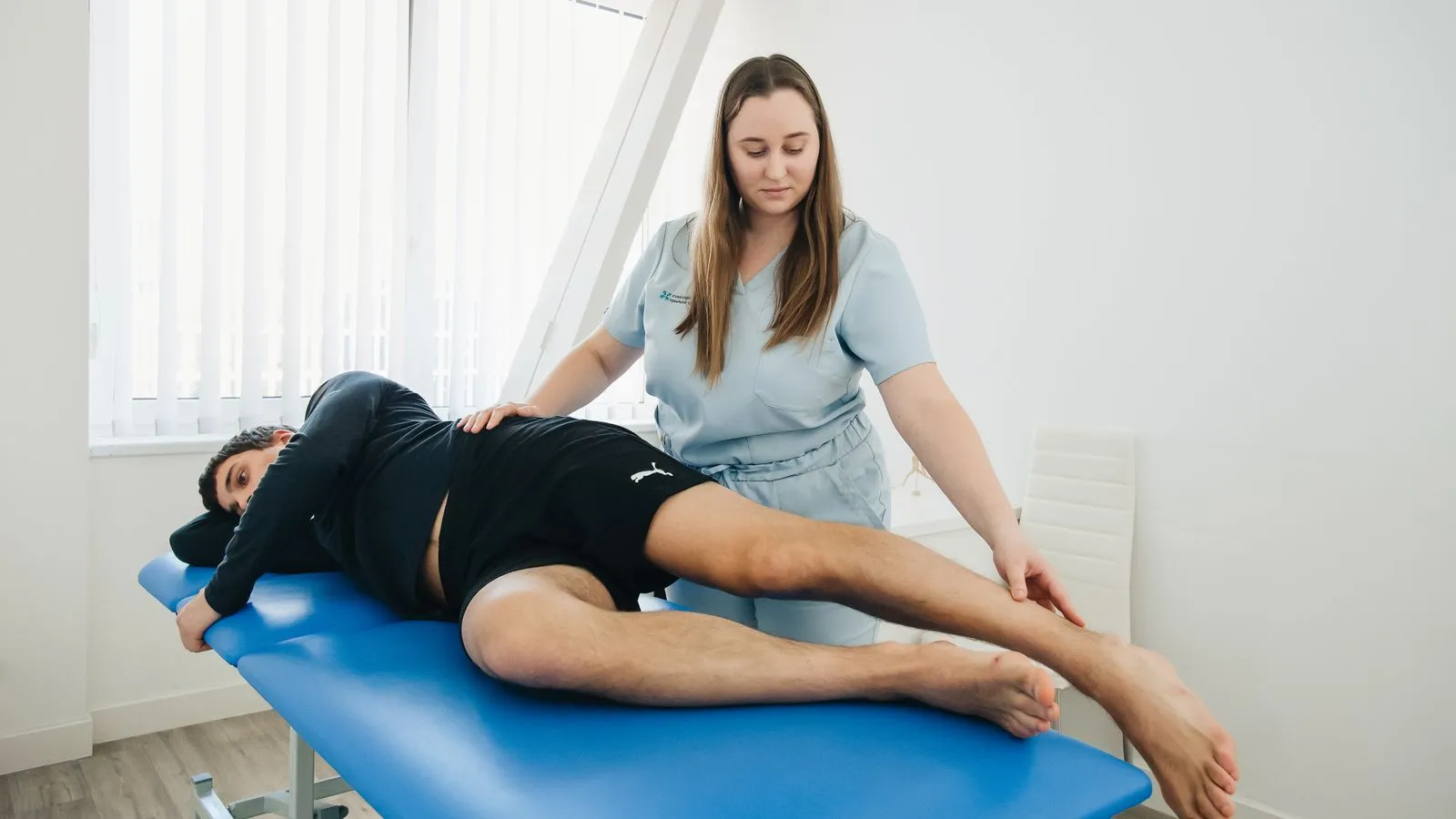
Loss of the neck's natural curve isn't a disease — it's a finding. Whether it comes with pain matters far more than the finding itself.
Many people who see "loss of cervical lordosis" on an MRI report assume it's a serious condition. In fact it's an imaging finding showing the neck's normal inward curve has reduced — it isn't a diagnosis on its own.
Studies show some people with no neck pain at all also have this finding. That means it doesn't always line up one-to-one with symptoms.
Prolonged forward-leaning posture — phone and screen use — can contribute to it by unbalancing the neck muscles. This isn't permanent damage; it's mostly a reversible adaptation.
What matters isn't the finding on the image — it's whether pain, stiffness or restricted movement are present. The physiotherapy programme is built around those symptoms, not around "correcting" the MRI image.
Fzt. Aydın Ali assesses clients with a loss-of-curve finding in Bursa Nilüfer based on their symptoms. You can book an appointment.
Orthopaedics and Rehabilitation
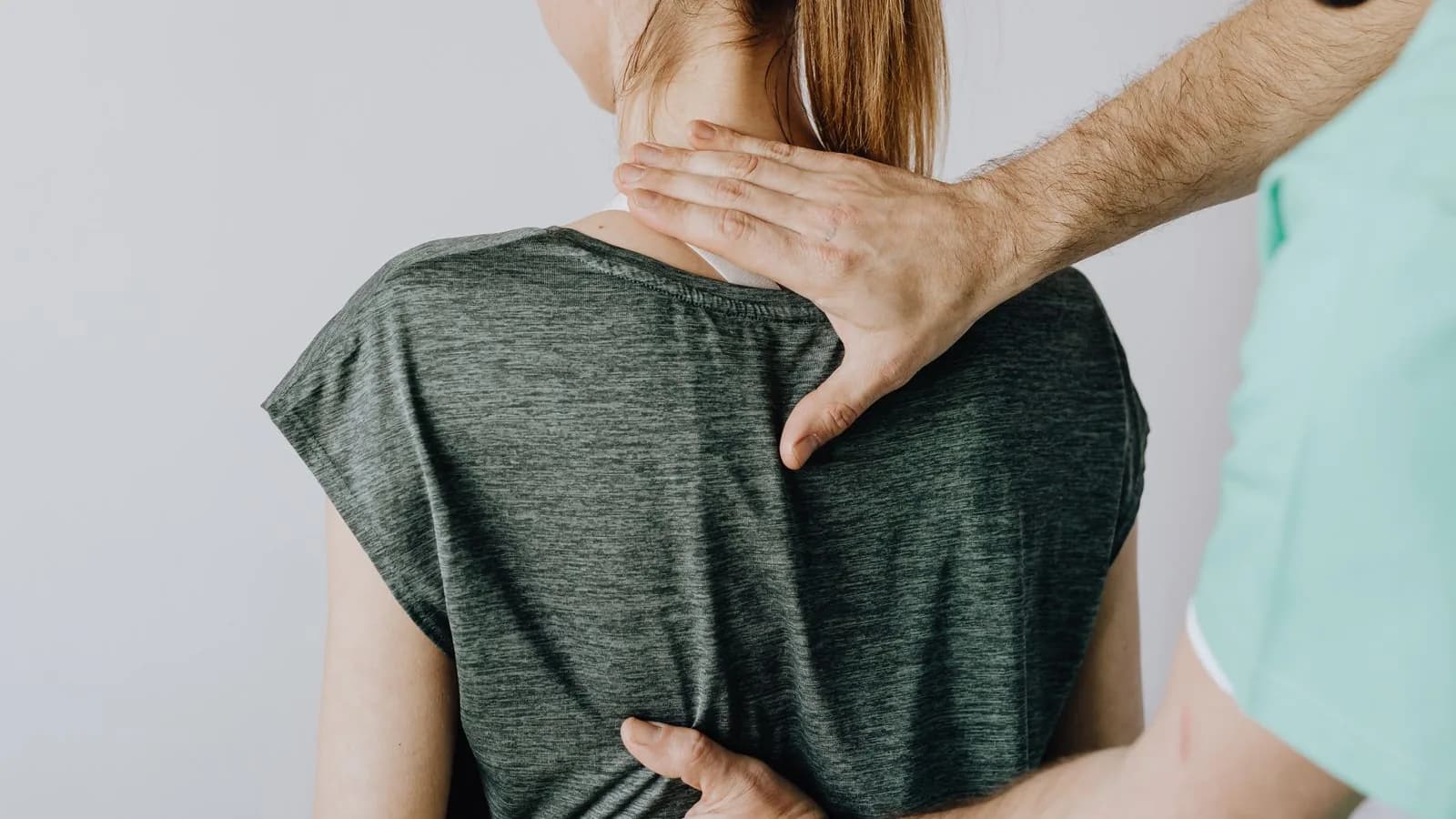
Chiropractic and manual therapy are often confused. Both are done with the hands, but their approaches and frameworks differ.
6 September 2026 · 2 min read
Orthopaedics and Rehabilitation
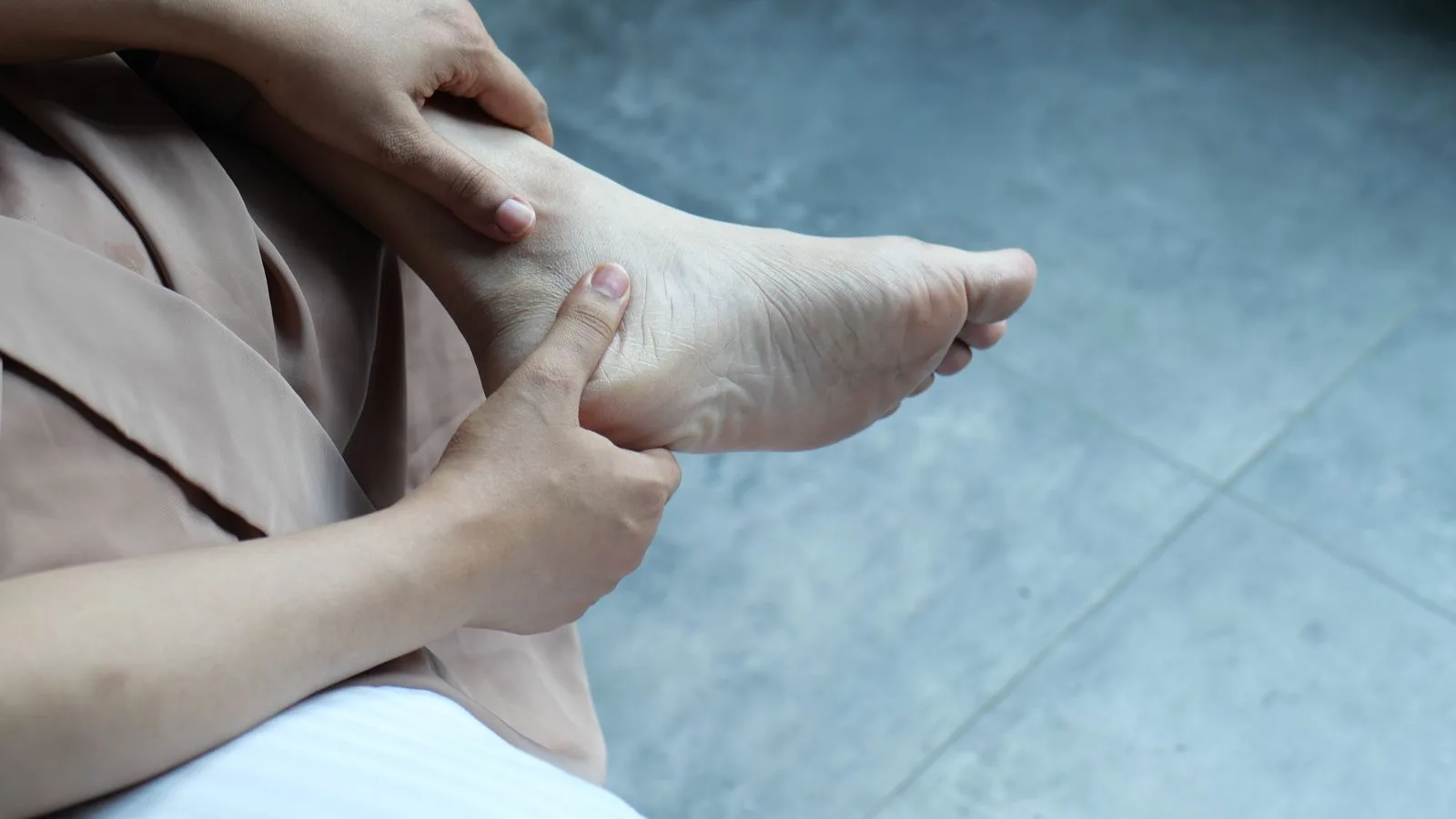
The sharp heel pain on the first step in the morning is often assumed to be a heel spur. But the real name for this condition is plantar fasciitis, and the two aren't the same thing.
6 September 2026 · 2 min read
Orthopaedics and Rehabilitation
Flat feet aren't a disease in most people and cause no complaint. The real question is whether they're leading to a problem.
6 September 2026 · 1 min read
Assessment that reads the X-ray finding correctly, plus exercise targeting the deep neck muscles.
A programme focused on posture and the deep neck muscles for pain spreading into the neck, shoulder and arm.
For a neck that suddenly locks: fast relief in the acute phase, then work aimed at preventing recurrence.