How Does a Stiff Neck (Torticollis) Resolve?
Fizyoterapist Aydın Ali · 3 September 2026 · 2 min read
Fizyoterapist Aydın Ali · 3 September 2026 · 2 min read
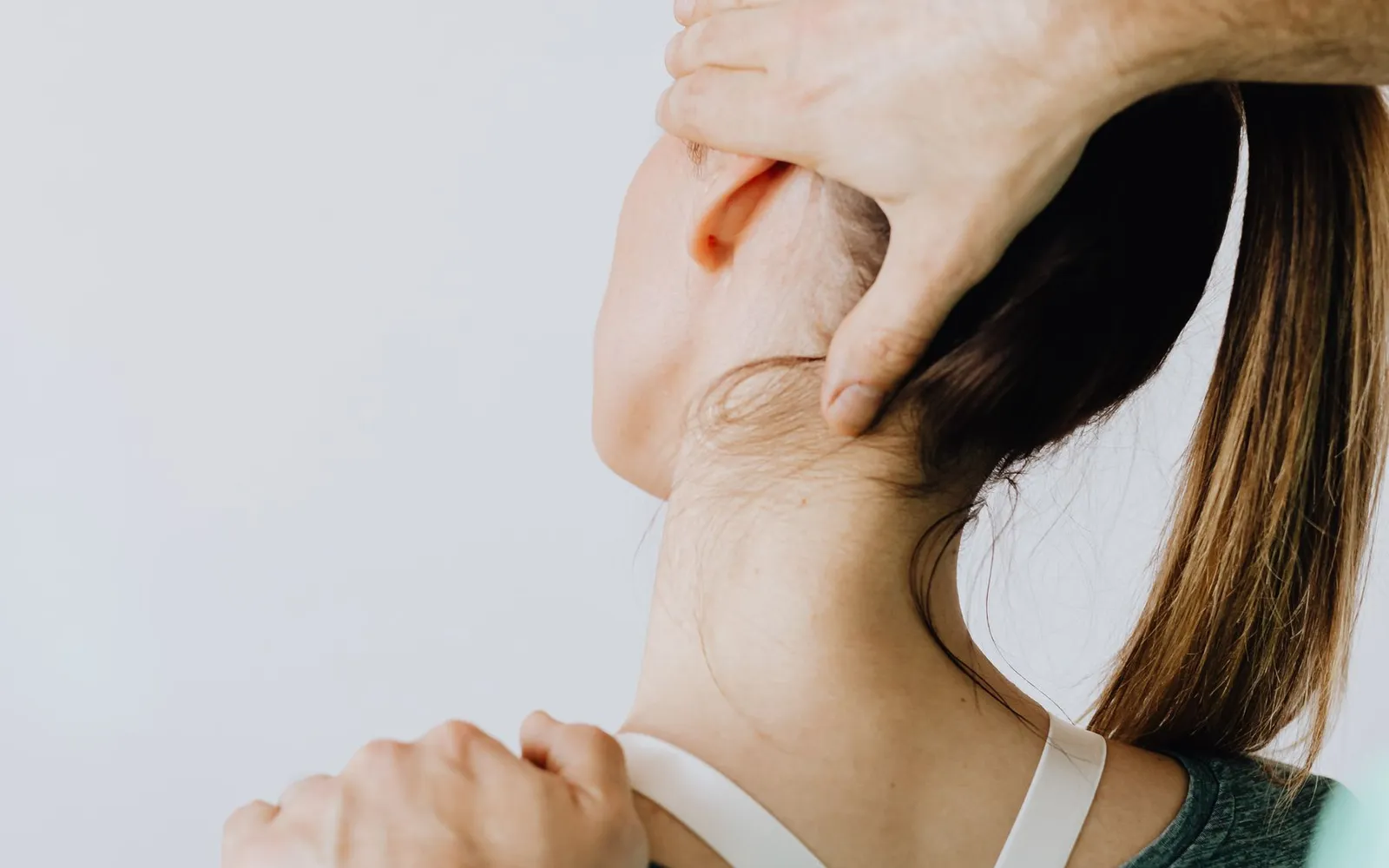
If you can't turn your neck in the morning, you're probably experiencing a stiff neck. Most cases ease on their own within a few days.
If you can't turn your neck when you wake up in the morning, you're probably experiencing what's called a "stiff neck." The medical term is acute torticollis: the neck muscles suddenly go into spasm and lock the head into one direction. It feels alarming, but most cases of a stiff neck ease on their own within a few days.
Most cases aren't caused by a single reason, but by several stacking on top of each other.
A neck brace usually isn't needed; prolonged use weakens the neck muscles.
If the stiffness doesn't ease within a few days, recurs often, or is accompanied by numbness or weakness spreading into the arm, an assessment is needed. In physiotherapy, range of motion is restored with manual therapy, then endurance work for the deep neck muscles and desk-setup adjustments prevent recurrence. Frequent neck stiffness is usually a sign of an underlying posture and endurance problem.
Outside these, an ordinary stiff neck eases quickly with the right approach.
Fzt. Aydın Ali first restores movement in recurring neck stiffness, then builds an endurance programme in person that prevents recurrence.

Orthopaedics and Rehabilitation
Chiropractic and manual therapy are often confused. Both are done with the hands, but their approaches and frameworks differ.
6 September 2026 · 2 min read
Orthopaedics and Rehabilitation
The sharp heel pain on the first step in the morning is often assumed to be a heel spur. But the real name for this condition is plantar fasciitis, and the two aren't the same thing.
6 September 2026 · 2 min read
Orthopaedics and Rehabilitation
Flat feet aren't a disease in most people and cause no complaint. The real question is whether they're leading to a problem.
6 September 2026 · 1 min read
For a neck that suddenly locks: fast relief in the acute phase, then work aimed at preventing recurrence.
A programme focused on posture and the deep neck muscles for pain spreading into the neck, shoulder and arm.
Assessment that reads the X-ray finding correctly, plus exercise targeting the deep neck muscles.