Screening for Scoliosis in Teens: Signs Parents Should Notice
Fizyoterapist Aydın Ali · 12 June 2026 · 1 min read
Fizyoterapist Aydın Ali · 12 June 2026 · 1 min read

Scoliosis usually progresses without pain. That's why the visual signs a family or a school screening notices matter so much.
Adolescence's growth spurt is when scoliosis progresses fastest. Because it progresses without pain, a family or a school screening is often the first to notice it.
A difference in shoulder height, one shoulder blade sticking out more than the other, clothes hanging unevenly to one side, and one side of the back rising when bending forward are signs worth noticing.
For curves noticed and monitored before growth is complete, intervention options — exercise, a brace if needed — are more effective. Once growth finishes, that window narrows.
A physiotherapy assessment, with a referral to a physician if needed, clarifies the degree of the curve and how often it should be monitored.
Fzt. Aydın Ali carries out scoliosis screening and follow-up assessment for teenagers in Bursa Nilüfer. You can book an appointment.

Orthopaedics and Rehabilitation
Chiropractic and manual therapy are often confused. Both are done with the hands, but their approaches and frameworks differ.
6 September 2026 · 2 min read
Orthopaedics and Rehabilitation
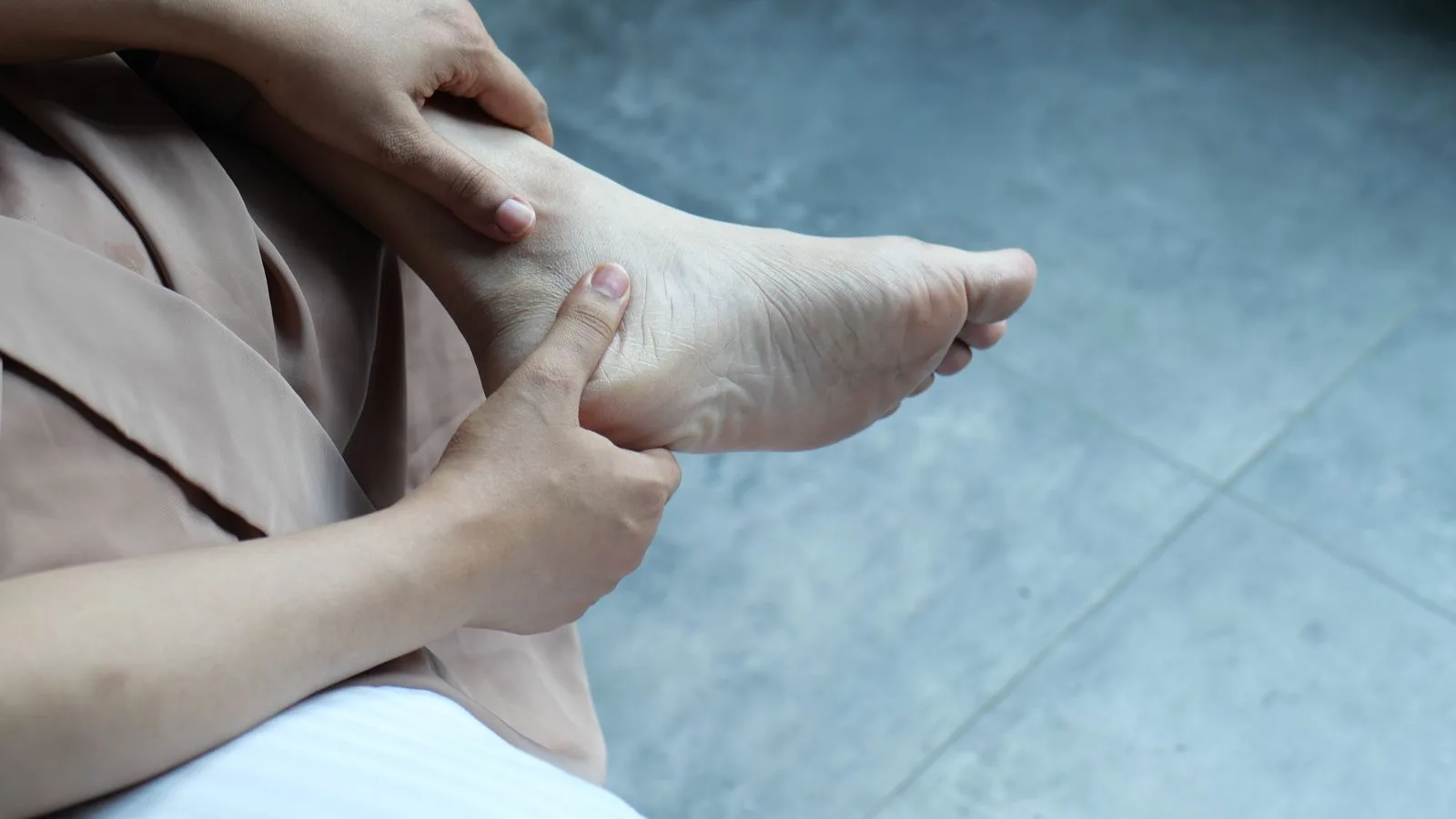
The sharp heel pain on the first step in the morning is often assumed to be a heel spur. But the real name for this condition is plantar fasciitis, and the two aren't the same thing.
6 September 2026 · 2 min read
Orthopaedics and Rehabilitation
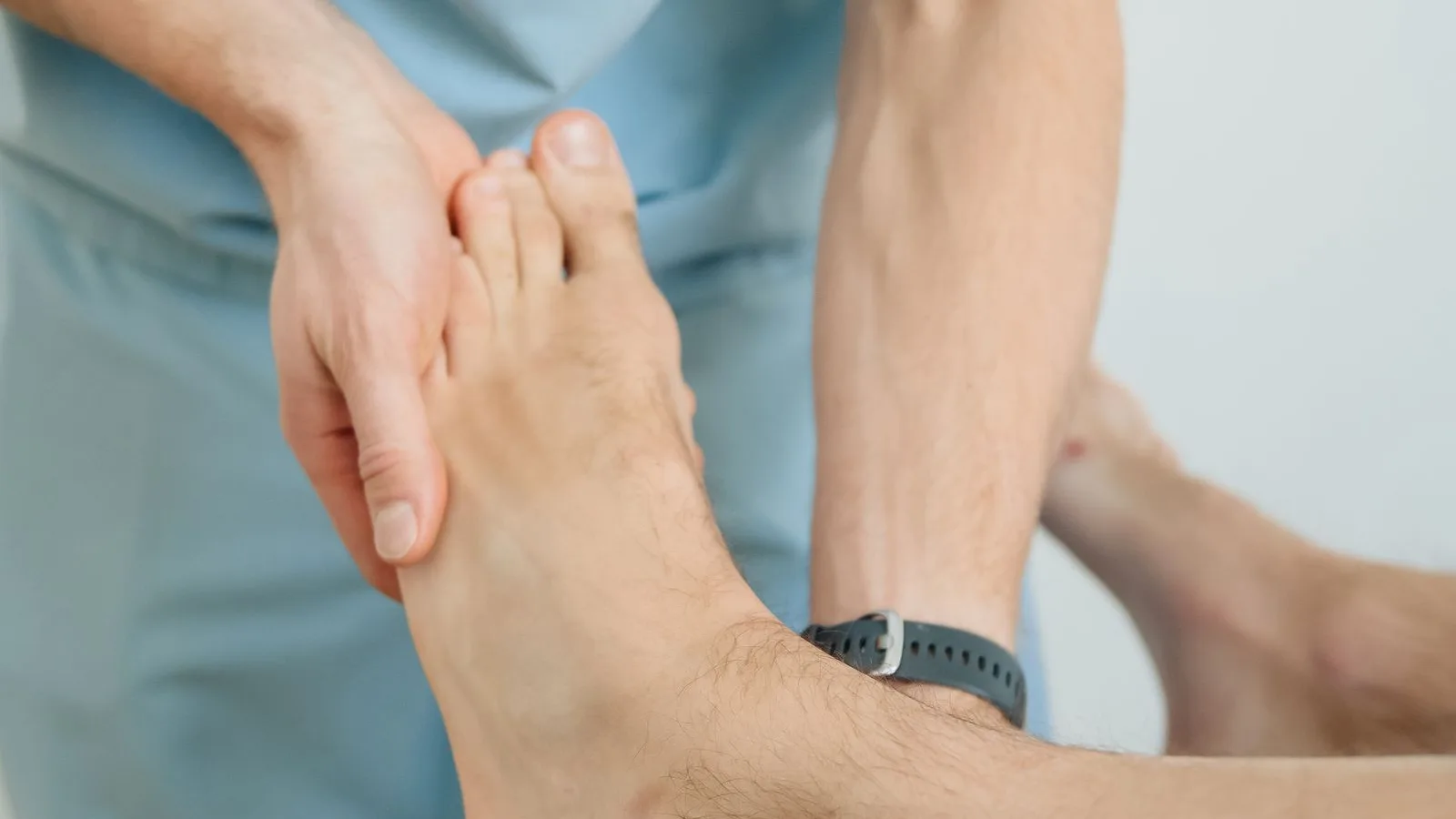
Flat feet aren't a disease in most people and cause no complaint. The real question is whether they're leading to a problem.
6 September 2026 · 1 min read
Curve-specific exercise and regular monitoring for spinal curvature and postural problems.
For a rounded back and forward head posture: a programme built on measured mobility and strength.
For pain settling between the shoulder blades that builds through the day: a programme aimed at the source.