
Knee Pain When Walking and Light Jogging: Causes and Fixes
Fizyoterapist Aydın Ali · 30 June 2026 · 6 min read · Last updated:
Fizyoterapist Aydın Ali · 30 June 2026 · 6 min read · Last updated:
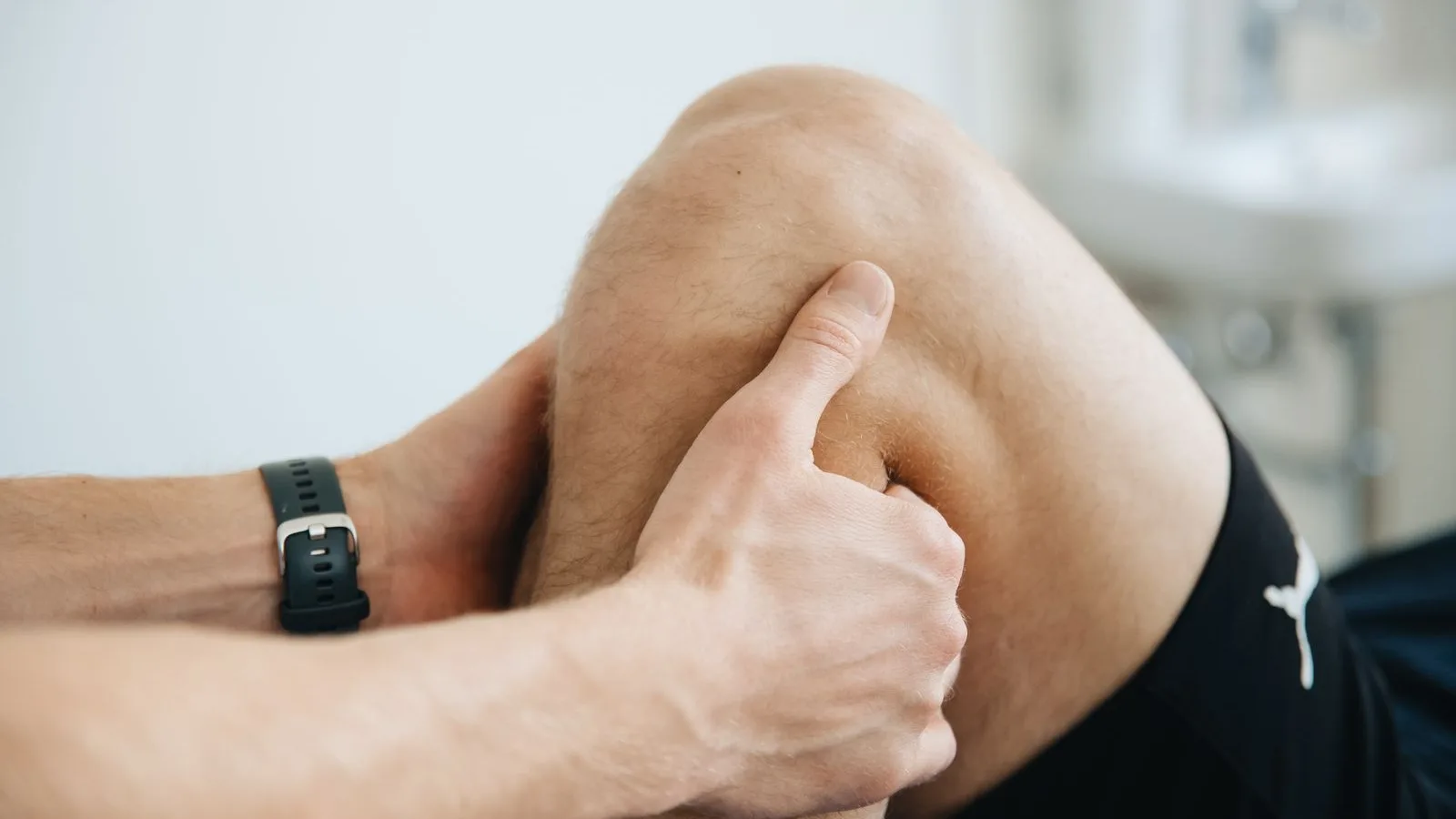
For people new to exercise, knee pain usually comes not from the knee itself but from increasing distance too fast and weak hip muscles.
Knee pain is common among people who start walking or light jogging for their health. The good news: it usually does not come from lasting damage in the knee, but from increasing load too quickly. With the right adjustments most people can keep exercising. This article is especially for beginners and those starting again after a long break.
| Location of pain | Common cause | First step |
|---|---|---|
| Front of and around the kneecap | Rapidly increased load on the kneecap joint, weak hip and thigh | Reduce distance, strengthen hip and thigh |
| Outer side of the knee | Irritation of the band on the outer thigh (IT band) | Reduce distance and slopes, hip strength |
| Just below the kneecap | Overload of the kneecap tendon | Fewer hills and steps, gradual tendon loading |
| Inner side of the knee | Meniscus, ligament or inner tendon irritation | Assessment if pain persists |
| Back of the knee | Strain of the hamstring or calf tendons, sometimes fluid at the back of the knee (Baker's cyst) | Reduce load; assessment if swollen |
This table is guidance, not a diagnosis. Swelling, locking or giving way need separate assessment.
After a long inactive period, when distance or duration rises quickly from one week to the next, the tendons and cartilage around the knee cannot keep up. Muscles adapt within a few weeks, while tendons and joint tissues adapt more slowly; the gap shows up as pain. As a general starting rule, increasing weekly total distance by around ten per cent gives most people a safe pace.
Worn-out shoes and always walking on hard surfaces increase knee load and are often overlooked. Shoes usually start losing support after a few hundred kilometres; marked wear on one edge of the sole or increased fatigue after walks are practical signs it is time to replace them. Walking part of the route on dirt or track surfaces also varies the load.
If the hip muscles are weak, the knee may drift slightly inwards with every step when walking or running. This small deviation adds up over thousands of steps and can cause pain, especially at the front of the knee. That is why much of the programme for knee pain targets the hip rather than the knee.
Start 2-3 days a week at a level that does not increase pain and build up gradually.
Starting brisk walking or running with cold muscles catches the tissues around the knee unprepared. Five to ten minutes at an easy pace and a few dynamic movements clearly reduce the load around the knee during exercise.
Walking downhill and going down stairs put much more load behind the kneecap than flat ground. Keeping the route flat and reducing steps while it hurts is the easiest way to lower load without stopping exercise. For people carrying extra weight, each step loads the knee more; starting with a few weeks of brisk walking and strength work before running is a safer path. As weight comes down and muscles get stronger, the move to running gets easier.
There is no fixed timeline, but these are good guides: half an hour of brisk walking without pain the next day, a few controlled single-leg squats with good balance, and no pain going down stairs. When these are met, start by adding short running intervals into your walks.
Mild discomfort during exercise is acceptable. If pain keeps rising during the walk or run, makes you limp or is clearly still there the next morning, the load was too much. Do not stop exercising; lower the dose.
If pain persists after a few weeks of load adjustment, or there is swelling, locking or giving way, an assessment is needed. It looks at the source of pain, hip-knee-foot alignment and strength, and the programme is built on that. See knee rehabilitation for details, and if you are starting after 40, why you should start strength training now.
Is knee pain after walking normal? For beginners, a mild ache the day after a longer walk is common and settles within a few days. If it recurs after every walk, increases or comes with swelling, the load may be too much or there may be another cause; an assessment is needed.
Should I keep walking when my knee hurts? If the pain is mild and does not increase during the walk, continuing at a shorter distance is usually fine. If it increases, lower the dose for a few days.
Is running bad for the knees? Gradual, appropriately dosed running does not harm healthy knees; the problem is usually not running itself but increasing it too fast.
Do knee supports or tape help? They may give short-term relief, but without better load management and hip-thigh strength they are not a lasting solution.
Treadmill or outdoors? A treadmill keeps surface and pace constant, which makes load easier to control at first. Outdoors, surface and slope vary, which varies the load. Both are fine; what matters is increasing the weekly total gradually.
Does stretching prevent pain? Stretching can feel relieving, but what really helps prevent knee pain is strength work and gradually increasing load.
Fzt. Aydın Ali assesses people in Bursa Nilüfer with knee pain during walking and light jogging and builds a programme that adjusts load and strength without giving up exercise.
An exercise-based programme aimed at reducing pain and increasing walking capacity in cartilage wear.
Strength-focused rehabilitation for meniscus and ligament injuries, cartilage wear and the period after surgery.
The full ACL pathway: preparation before surgery through to a measured, test-based return to sport.