
Three Steps to Protect Your Neck from a Herniated Disc at a Desk
Fizyoterapist Aydın Ali · 8 August 2026 · 1 min read
Fizyoterapist Aydın Ali · 8 August 2026 · 1 min read

Every centimetre your head tilts forward multiplies the load your neck muscles carry. That's the core reason behind neck herniation in office workers.
Neck herniation in office workers doesn't come from a single wrong movement — it builds up from eight hours of repeated forward-leaning posture every day.
While the head in a neutral position determines a baseline load on the neck, that load multiplies as the forward lean increases; looking at a screen or phone for long periods keeps the cervical spine under excess load constantly.
The top edge of the screen should sit at eye level — on its own, this is the single most effective change for reducing forward lean.
A short neck and shoulder break every 30–40 minutes regularly clears the static load that builds up.
If the deep muscles supporting the neck are weak, even the right screen setup won't give enough protection; targeted strengthening is the piece that completes this trio.
Fzt. Aydın Ali runs assessment and exercise programmes that reduce neck herniation risk for office workers in Bursa Nilüfer. You can book an appointment.

Orthopaedics and Rehabilitation
Chiropractic and manual therapy are often confused. Both are done with the hands, but their approaches and frameworks differ.
6 September 2026 · 2 min read
Orthopaedics and Rehabilitation
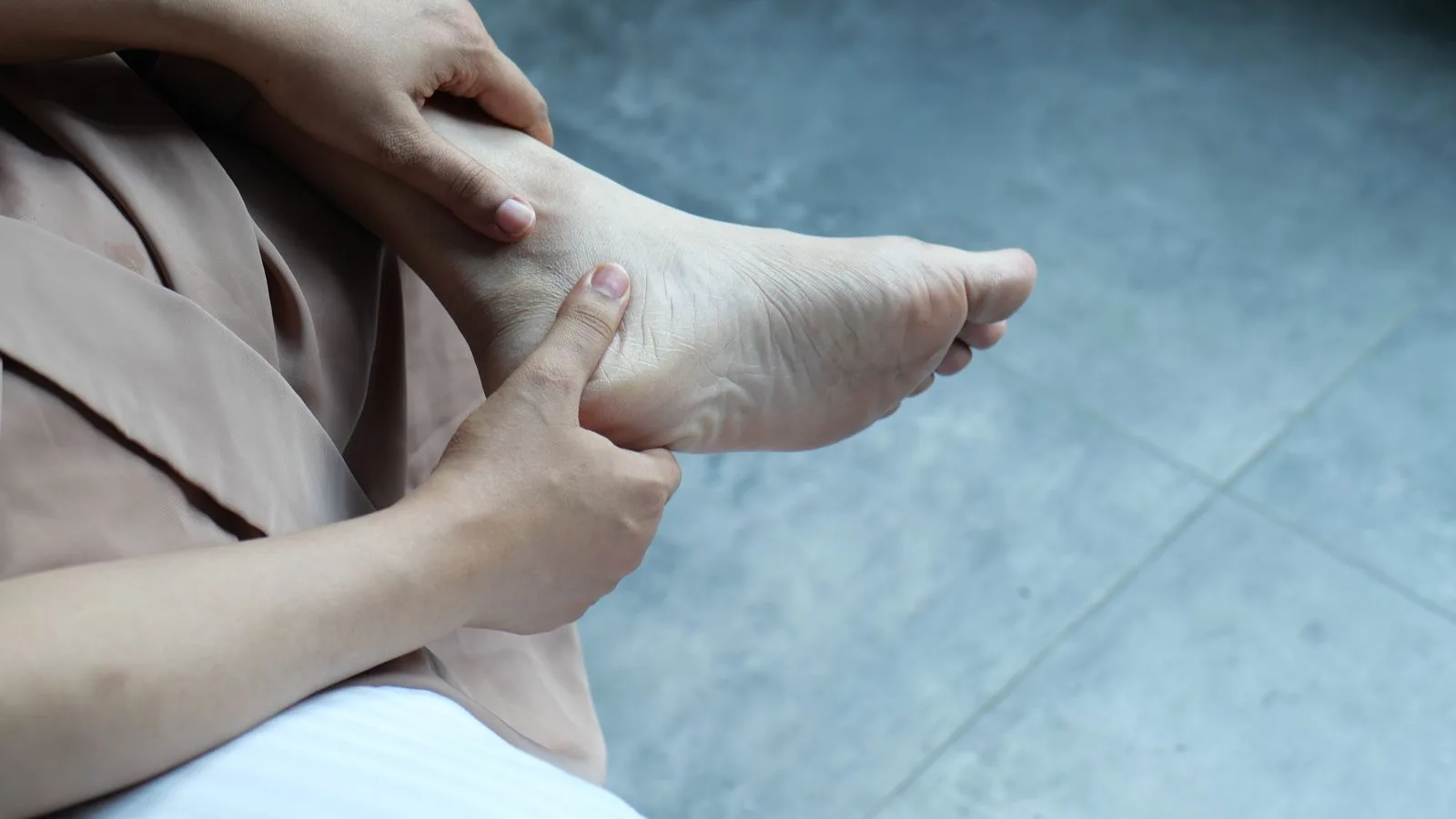
The sharp heel pain on the first step in the morning is often assumed to be a heel spur. But the real name for this condition is plantar fasciitis, and the two aren't the same thing.
6 September 2026 · 2 min read
Orthopaedics and Rehabilitation
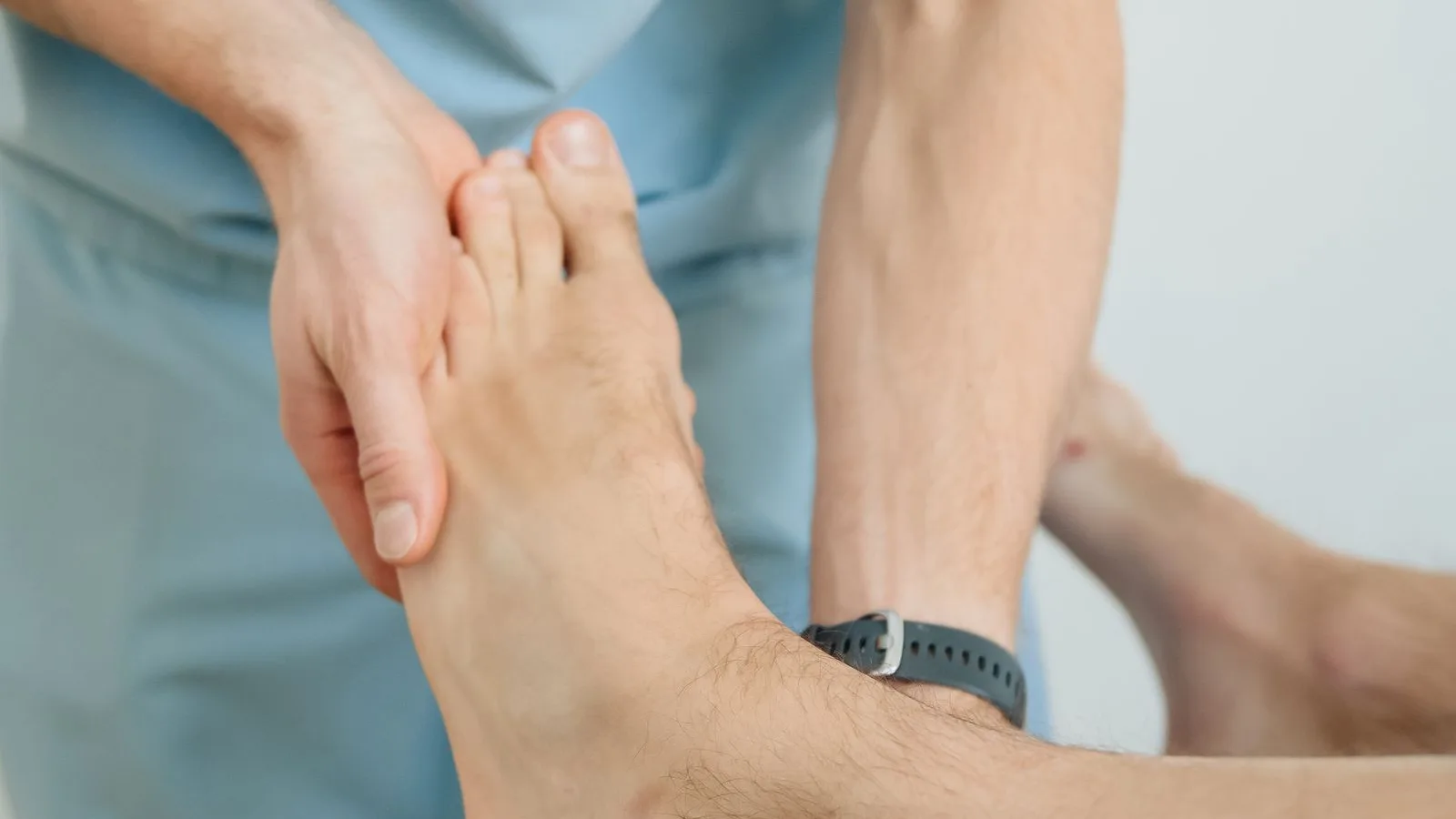
Flat feet aren't a disease in most people and cause no complaint. The real question is whether they're leading to a problem.
6 September 2026 · 1 min read
A programme focused on posture and the deep neck muscles for pain spreading into the neck, shoulder and arm.
For a neck that suddenly locks: fast relief in the acute phase, then work aimed at preventing recurrence.
Assessment that reads the X-ray finding correctly, plus exercise targeting the deep neck muscles.