
How Sleep Position Affects Back and Neck Pain
Fizyoterapist Aydın Ali · 20 August 2026 · 2 min read
Fizyoterapist Aydın Ali · 20 August 2026 · 2 min read
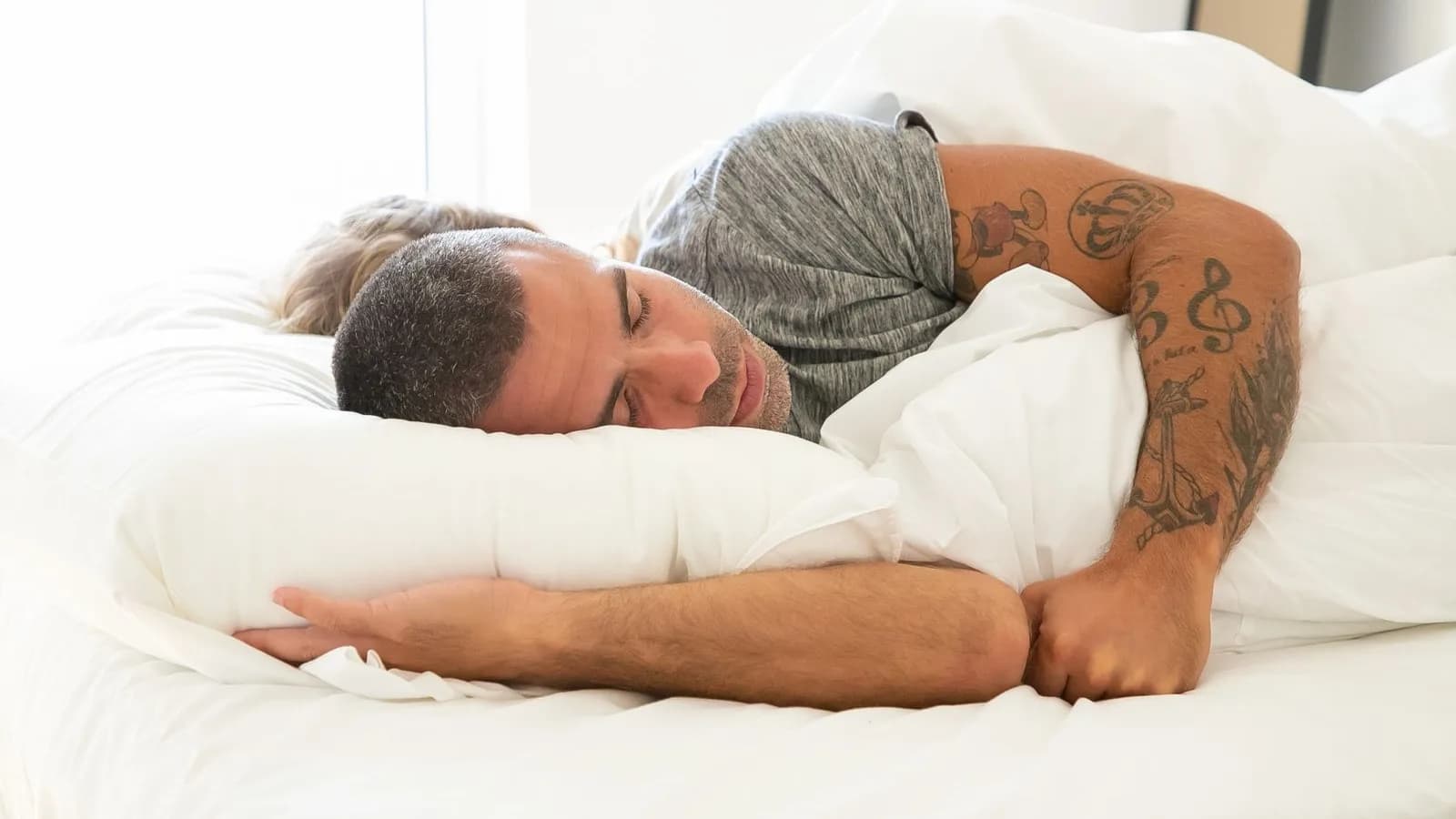
Someone who sits and stands well all day can still load their spine more in eight hours of poor sleep posture than they do all day awake.
Many clients with back or neck pain notice the pain is worse in the morning than it was the night before. That's usually not down to daytime posture — it's sleep position, because the spine sits fixed in one shape for eight hours straight.
Sleeping on the stomach is the most demanding position for the neck: to breathe, the head has to turn to one side, holding the cervical spine at the edge of its normal range for hours. The same position also forces the lower back into an exaggerated inward curve (lordosis). While it's hard to give this position up entirely, placing a thin pillow under the stomach reduces how far the lower back sags.
Lying on the back is generally the most balanced option for the spine, but skipping a thin pillow under the knees leaves the natural gap at the lower back unsupported. Support under the knees helps the lumbar spine stay in a neutral position.
When lying on the side, shoulder width means the spine follows a slightly angled line. Placing a pillow between the knees stops the hip rotating forward and prevents the lower back twisting. Pillow height matters too: a pillow that's too high or too low takes the cervical spine out of line with the rest of the body.
"A firm mattress is good for your back" is a common belief, but research shows a medium-firm mattress suits most people better. The right firmness varies from person to person; what's needed is a surface that lets the shoulder and hip sink in slightly while keeping the spine in a straight line.
Staying in one position all night isn't possible, and it isn't meant to be; the body naturally turns to redistribute pressure. What actually matters is setting up a starting position that supports the spine as you fall asleep.
While sleep-position adjustments help, if morning pain persists there may be an underlying muscle imbalance or joint issue. In that case, assessment needs a programme that addresses both night-time and daytime posture together.
Fzt. Aydın Ali assesses both the night-time and daytime components of your back and neck pain together in Bursa Nilüfer. You can book an appointment.

Orthopaedics and Rehabilitation
Chiropractic and manual therapy are often confused. Both are done with the hands, but their approaches and frameworks differ.
6 September 2026 · 2 min read
Orthopaedics and Rehabilitation
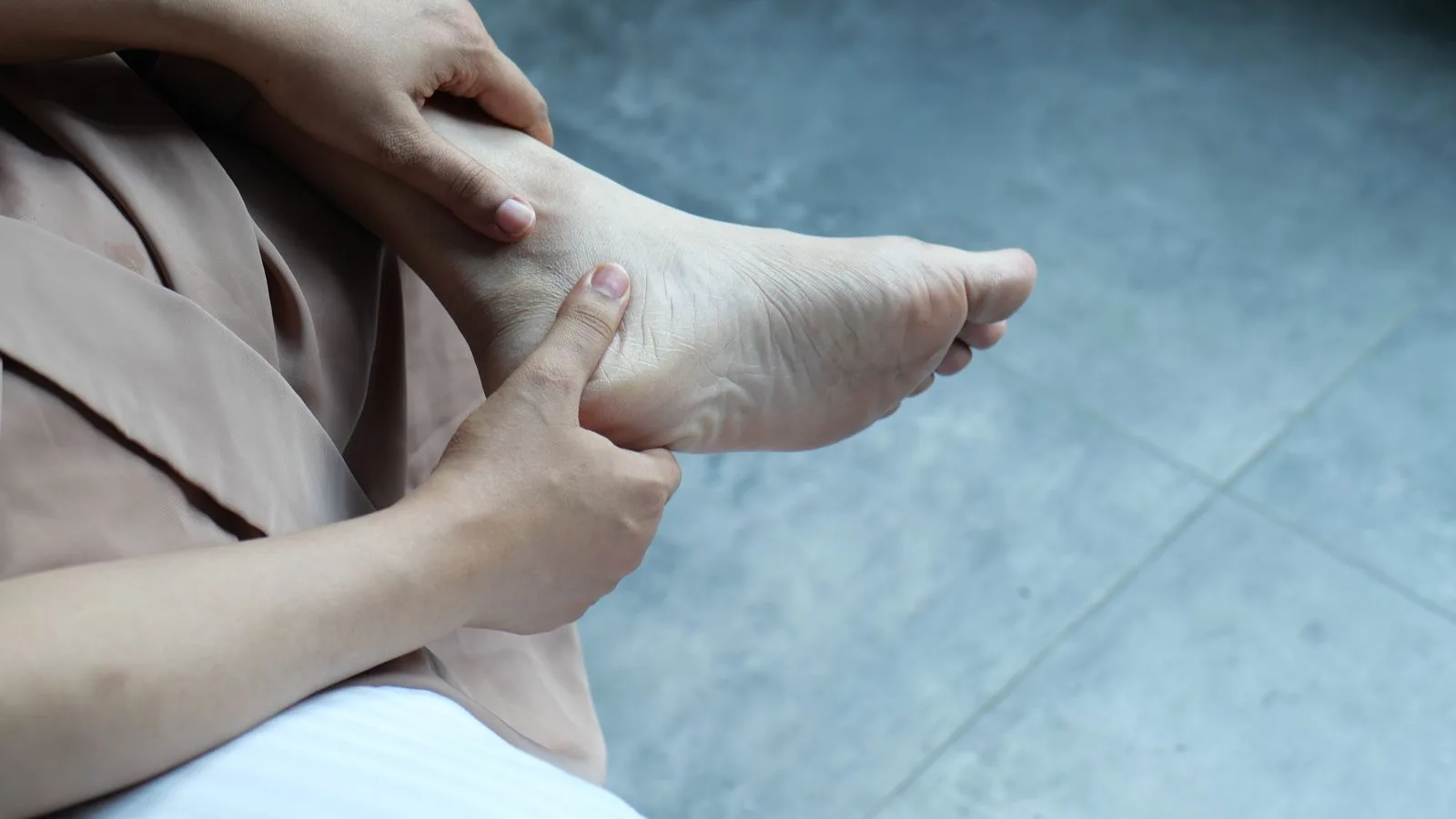
The sharp heel pain on the first step in the morning is often assumed to be a heel spur. But the real name for this condition is plantar fasciitis, and the two aren't the same thing.
6 September 2026 · 2 min read
Orthopaedics and Rehabilitation
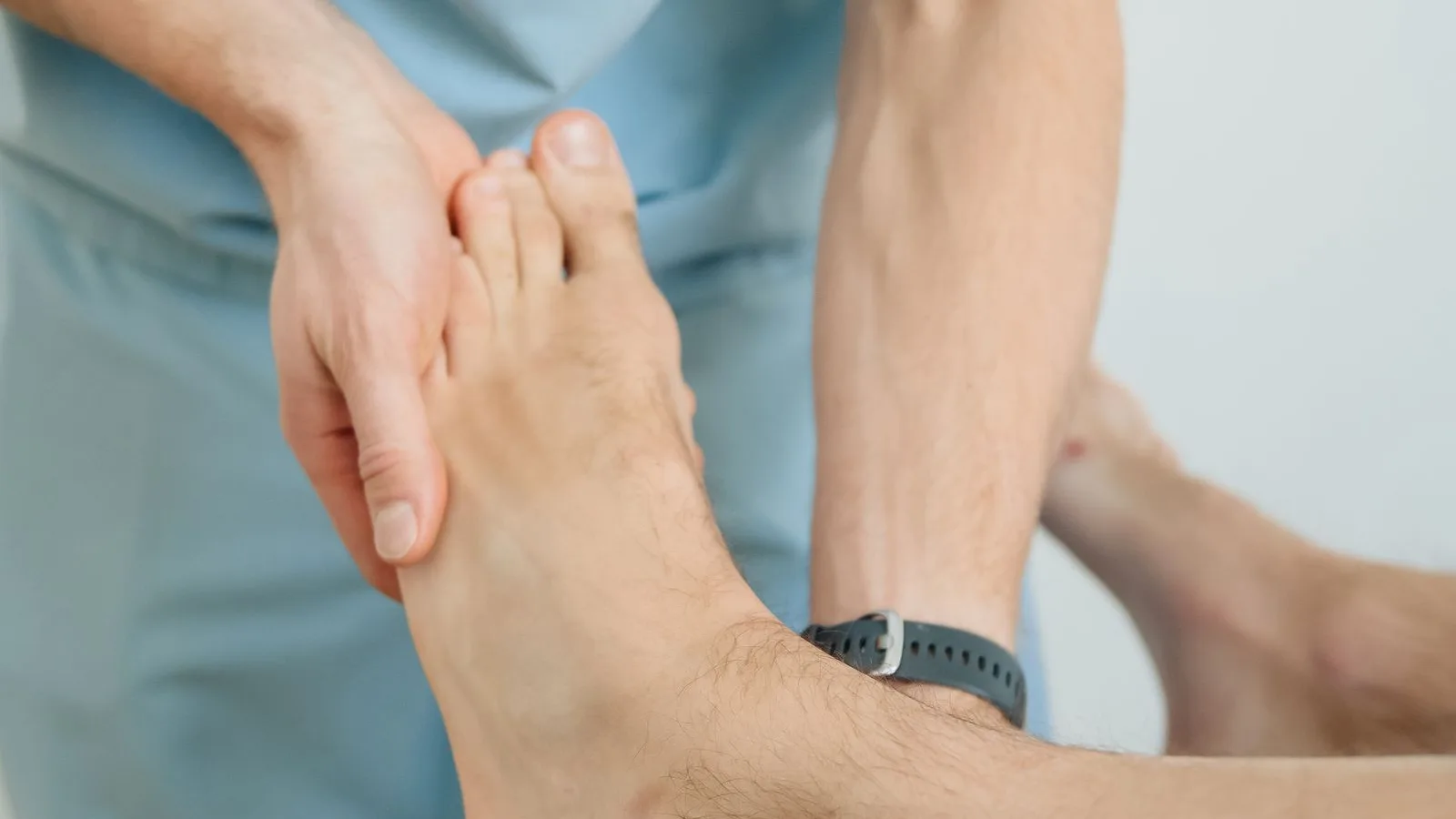
Flat feet aren't a disease in most people and cause no complaint. The real question is whether they're leading to a problem.
6 September 2026 · 1 min read
An exercise-based, one-to-one physiotherapy programme for back pain and pain radiating into the leg.
A programme focused on posture and the deep neck muscles for pain spreading into the neck, shoulder and arm.
For pain travelling from the back into the hip and leg: assessment that identifies the source, then graded exercise.