What Helps Back Pain?
Fizyoterapist Aydın Ali · 4 September 2026 · 2 min read
Fizyoterapist Aydın Ali · 4 September 2026 · 2 min read
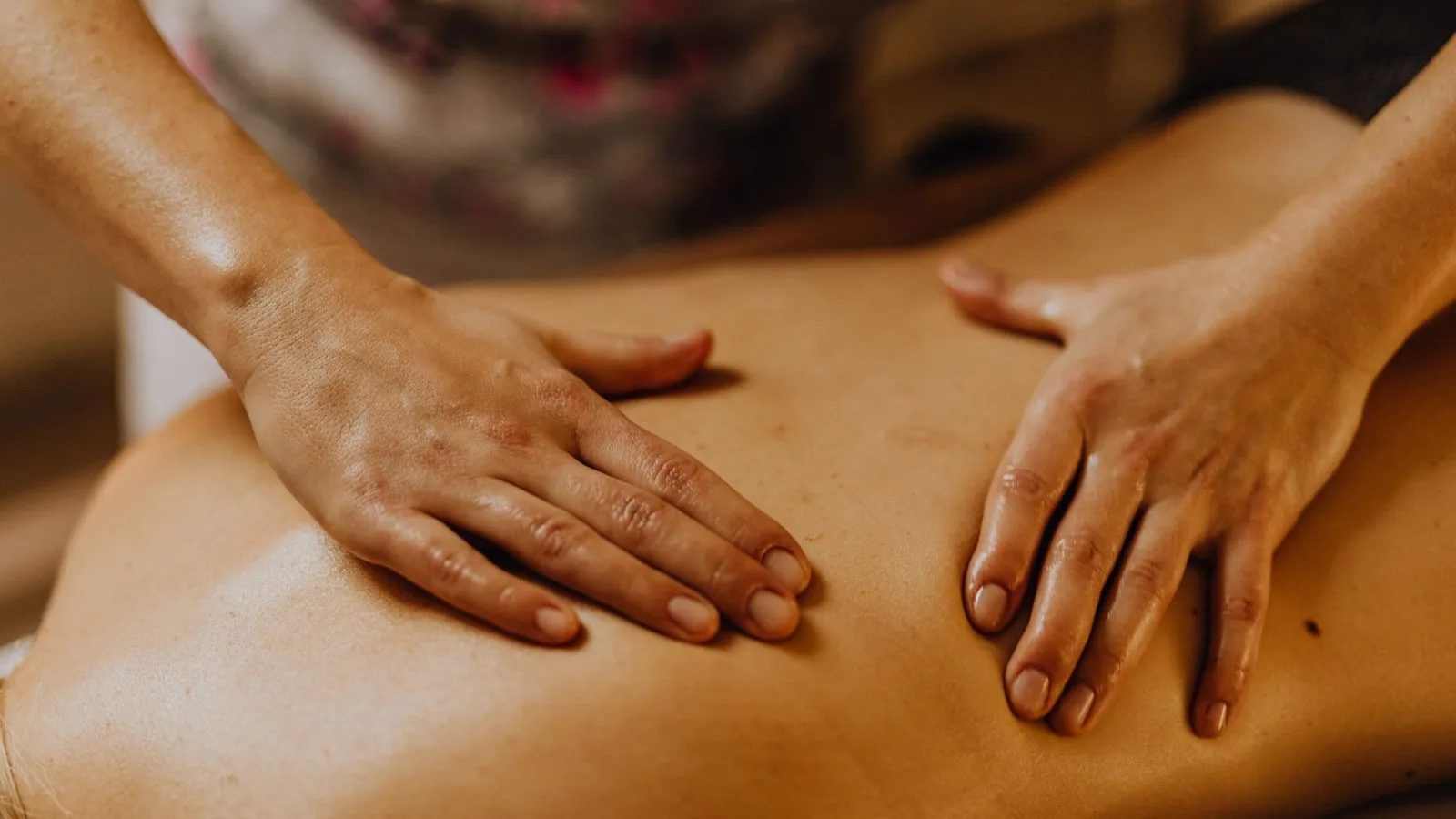
Most back pain isn't due to a serious disease — it's due to loading and posture. The good news: it eases with the right approach.
Back pain is a complaint felt in the area between the two shoulder blades, usually related to posture held throughout the day. It's talked about less than low back and neck pain, but it's becoming more common with the long hours spent at a desk. The good news: the large majority of back pain isn't due to a serious disease — it's due to loading and posture — and it eases with the right approach.
Prolonged fixed posture. Shoulders leaning forward in front of a screen keep the back muscles contracted in the same position for hours. This is the most common cause of the pain.
Muscle weakness and imbalance. When the muscles that hold the shoulder blade weaken, the upper back can't carry the load and hurts.
Sudden strain. Muscle spasm after heavy lifting, an awkward movement, or a long journey.
Rarer causes. Spine-related problems, rib joints, sometimes pain referred from internal organs. That's why persistent back pain should be assessed.
These bring relief in the first days but aren't a lasting solution for recurring pain.
First, the source of the pain is distinguished: muscle, joint, or posture. Then the programme rests on two pillars — manual therapy and tension-reducing applications during the painful period, followed by strengthening the shoulder-blade and back muscles. It's this second part that provides lasting results; desk-setup adjustments and a short home programme complete the process.
Don't wait in the following situations:
Outside these, mechanical back pain usually eases noticeably within a few weeks with the right programme.
Fzt. Aydın Ali first assesses the source of back pain; runs a programme in person that manages pain and increases the back's load-bearing capacity.
Orthopaedics and Rehabilitation
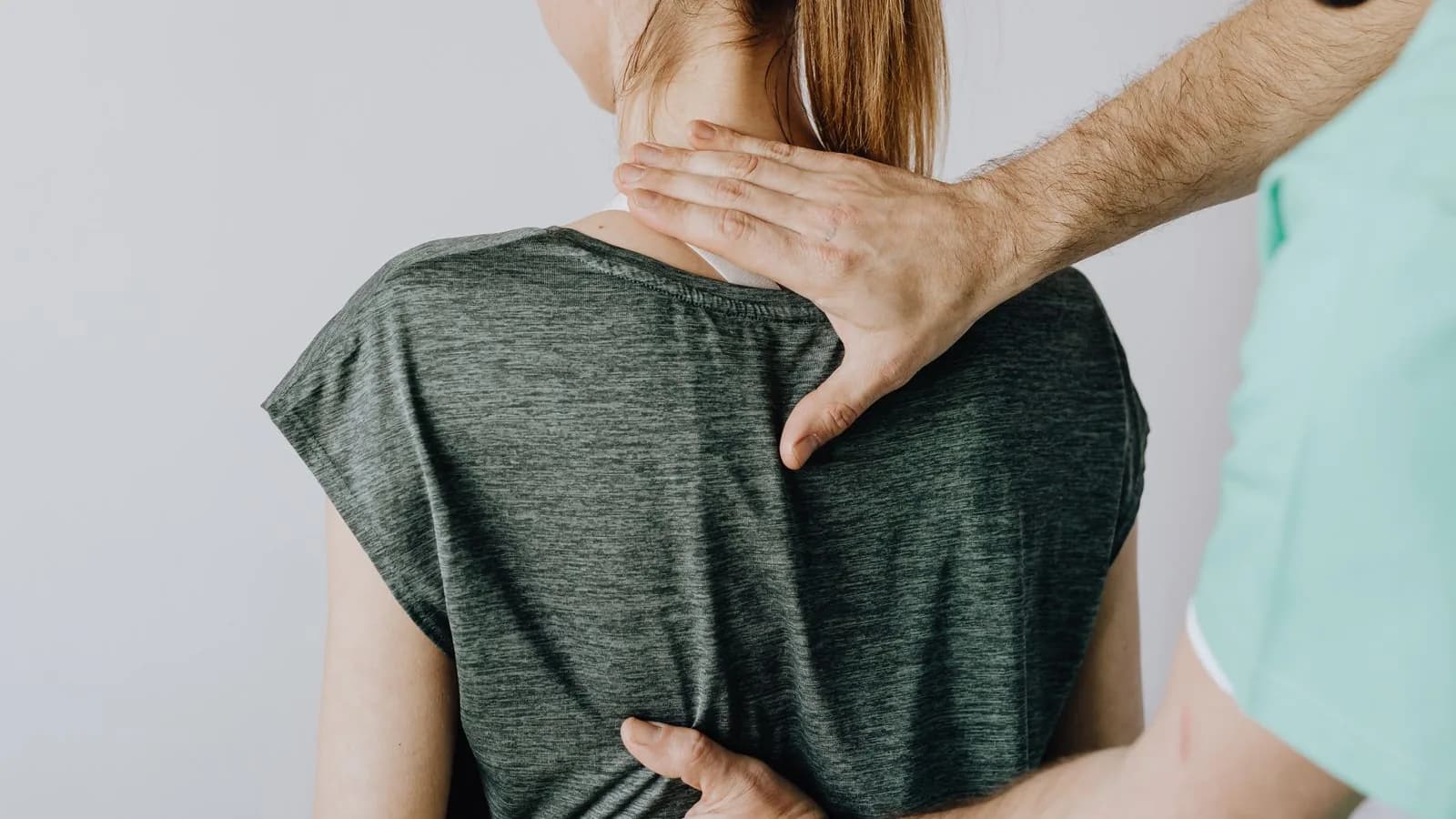
Chiropractic and manual therapy are often confused. Both are done with the hands, but their approaches and frameworks differ.
6 September 2026 · 2 min read
Orthopaedics and Rehabilitation
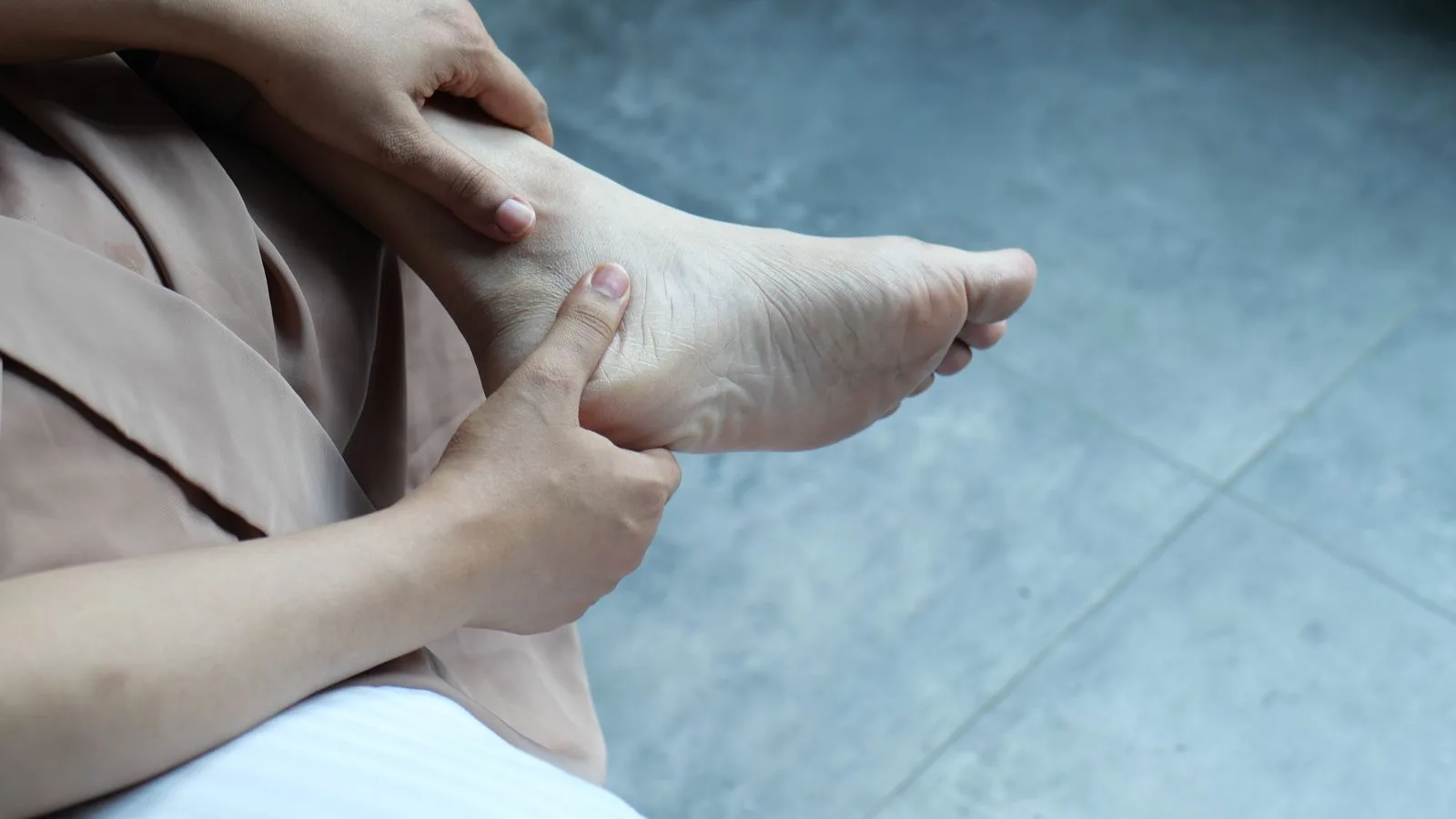
The sharp heel pain on the first step in the morning is often assumed to be a heel spur. But the real name for this condition is plantar fasciitis, and the two aren't the same thing.
6 September 2026 · 2 min read
Orthopaedics and Rehabilitation
Flat feet aren't a disease in most people and cause no complaint. The real question is whether they're leading to a problem.
6 September 2026 · 1 min read
For pain settling between the shoulder blades that builds through the day: a programme aimed at the source.
For a rounded back and forward head posture: a programme built on measured mobility and strength.
For a neck that suddenly locks: fast relief in the acute phase, then work aimed at preventing recurrence.