
How to Do Pelvic Floor Exercises (Kegels, Done Right)
Fizyoterapist Aydın Ali · 15 October 2026 · 4 min read
Fizyoterapist Aydın Ali · 15 October 2026 · 4 min read
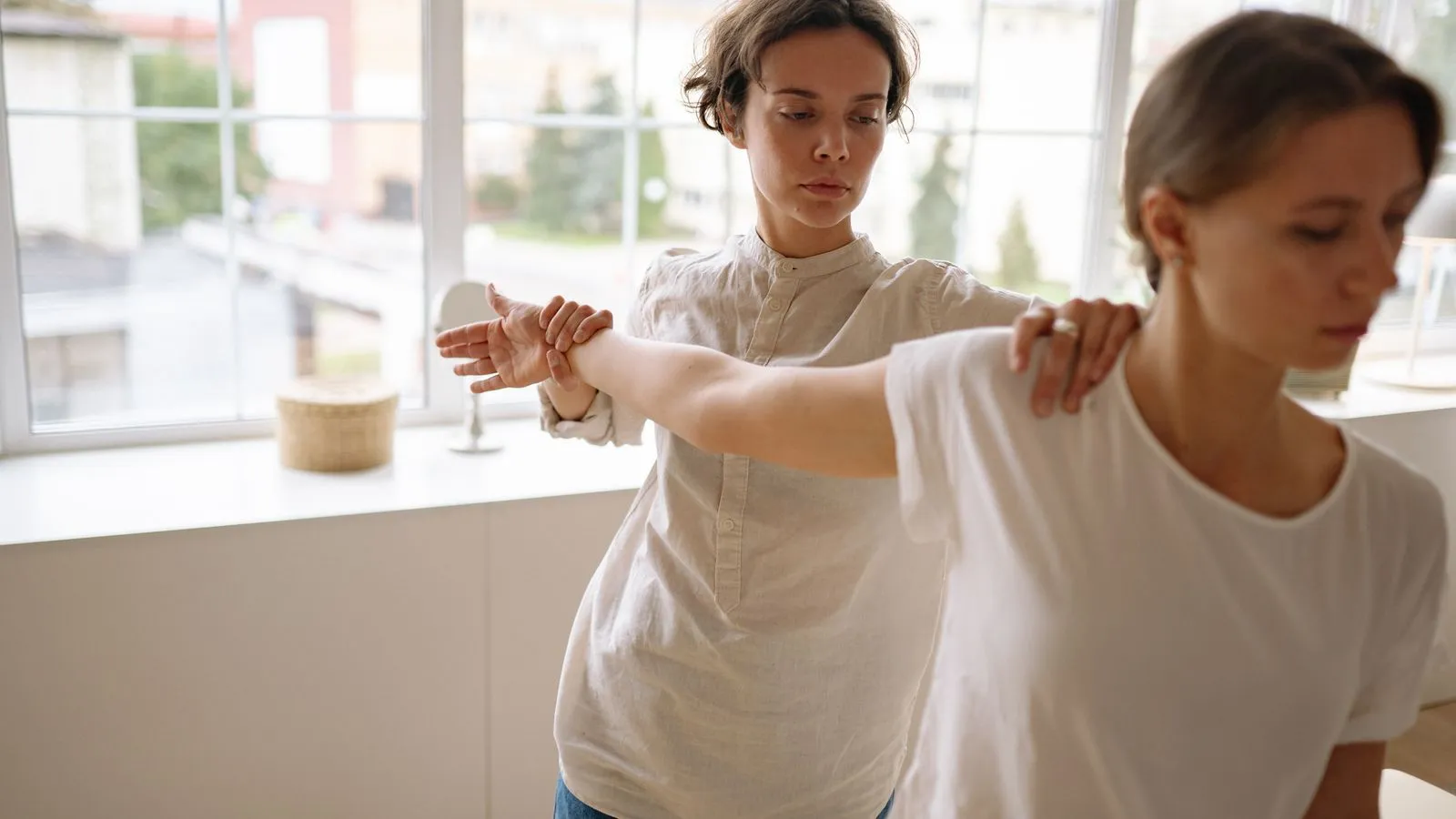
Most people do kegels wrong: they squeeze the abdomen or buttocks, not the pelvic floor. How to find the right muscle, where the mistake is, and when it helps.
Pelvic floor exercises (kegels) are done to strengthen the muscles at the base of the pelvis, or to learn to use them correctly. They are described everywhere online, but done alone most people squeeze the wrong muscle — the abdomen, buttocks or legs tighten while the pelvic floor does not engage. That is why "I do kegels but see no benefit" is so common. This article explains how to find the right muscle, the most common mistakes, and when the exercise helps.
The pelvic floor is the group of muscles closing the base of the pelvis like a hammock. It supports bladder and bowel control, balances abdominal pressure and supports posture. Childbirth, pregnancy, menopause, long-standing constipation, heavy lifting or ageing can weaken it; in some people it is instead too tense. This distinction matters: the problem is not always weakness. With an overly tense pelvic floor, squeezing more makes symptoms worse.
A common cue: as if stopping the flow of urine or holding back gas, gently lift the base of the pelvis up and in. While doing this:
Fully relaxing after the contraction is as important as the contraction, because the muscle needs both to tighten and to let go.
Caution: Stopping urine mid-flow is used only once, to identify the right muscle; it is not done as a regular exercise, as it can disrupt bladder emptying.
| Mistake | Result |
|---|---|
| Squeezing the abdomen or buttocks | The pelvic floor does not work; the wrong muscle strengthens |
| Holding the breath | Abdominal pressure rises, loading the pelvic floor |
| Contracting without relaxing | The muscle stays tense, symptoms may worsen |
| Too many repetitions daily | The muscle tires, causing pain in some people |
| Squeezing without checking weak vs tense | The wrong approach in the wrong person |
The following is a general example, applied once you are sure you have found the right muscle:
If there is strain, pain or increasing symptoms, reduce the repetitions and have an assessment. "The more the better" does not apply here.
The basic idea is the same. In women it is most often related to childbirth, pregnancy and menopause; in men, pelvic floor exercise is used for bladder control especially after prostate surgery. The cue for finding the right muscle is similar in both.
If symptoms persist despite a few weeks of regular work, if you think you cannot find the right muscle, or if exercise increases pain, an assessment is needed. Pelvic floor physiotherapy first separates weakness from excessive tension, finds the correct muscle and builds the programme for you. For the type of incontinence see what helps urinary incontinence; for after childbirth see postnatal recovery.
For burning and frequent urination (possible infection), blood in the urine or stool, a palpable bulge or prolapse in the pelvic area, unexplained pelvic pain, or symptoms arising in pregnancy, see a gynaecologist or urologist first.
What are pelvic floor exercises for? Done correctly, they support bladder control, can reduce urinary leakage and help postnatal recovery.
How many times a day should I do them? It varies; usually a small number done with correct technique and spread through the day beats many incorrect repetitions.
When will I see results? Most people notice the first change within a few weeks; consistency is essential. No exact duration or guarantee can be given.
Fzt. Aydın Ali teaches finding the correct muscle first in pelvic floor physiotherapy in Bursa Nilüfer, running the programme by measurement according to whether the issue is weakness or tension.
Orthopaedics and Rehabilitation
Pain spreading to the shoulder and arm with numbness often comes not from the shoulder itself but from the neck. How to tell them apart, what helps, and when to see a doctor.
15 October 2026 · 3 min read
Orthopaedics and Rehabilitation
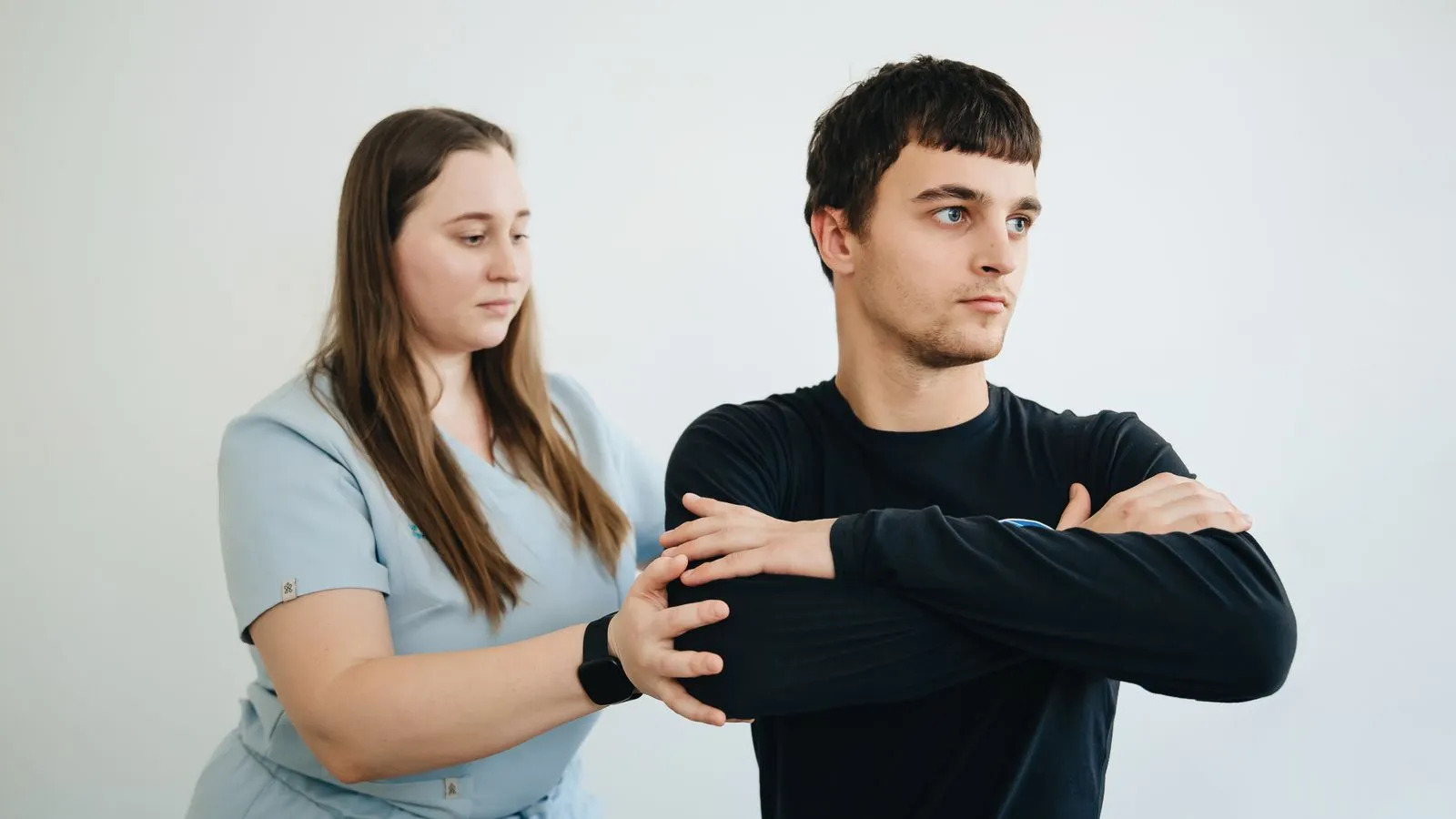
Catching pain at a certain angle when raising the arm to the side is often shoulder impingement. Why it happens, what to do at home, and when to see a doctor.
15 October 2026 · 3 min read
Orthopaedics and Rehabilitation
Shoulder pain has more than one cause. Impingement, frozen shoulder or referred from the neck? What helps in each, what to do at home, and when to see a doctor.
15 October 2026 · 4 min read
An evidence-based programme of graded exercise and pain education for widespread pain, fatigue and disturbed sleep.
For muscle pain that knots, cramps and will not settle: manual work first, strengthening second.
Hands-on techniques applied to joints and soft tissue, combined with exercise for a result that lasts.