Postnatal Recovery: Pelvic Floor and Abdomen
Fizyoterapist Aydın Ali · 15 October 2026 · 3 min read
Fizyoterapist Aydın Ali · 15 October 2026 · 3 min read
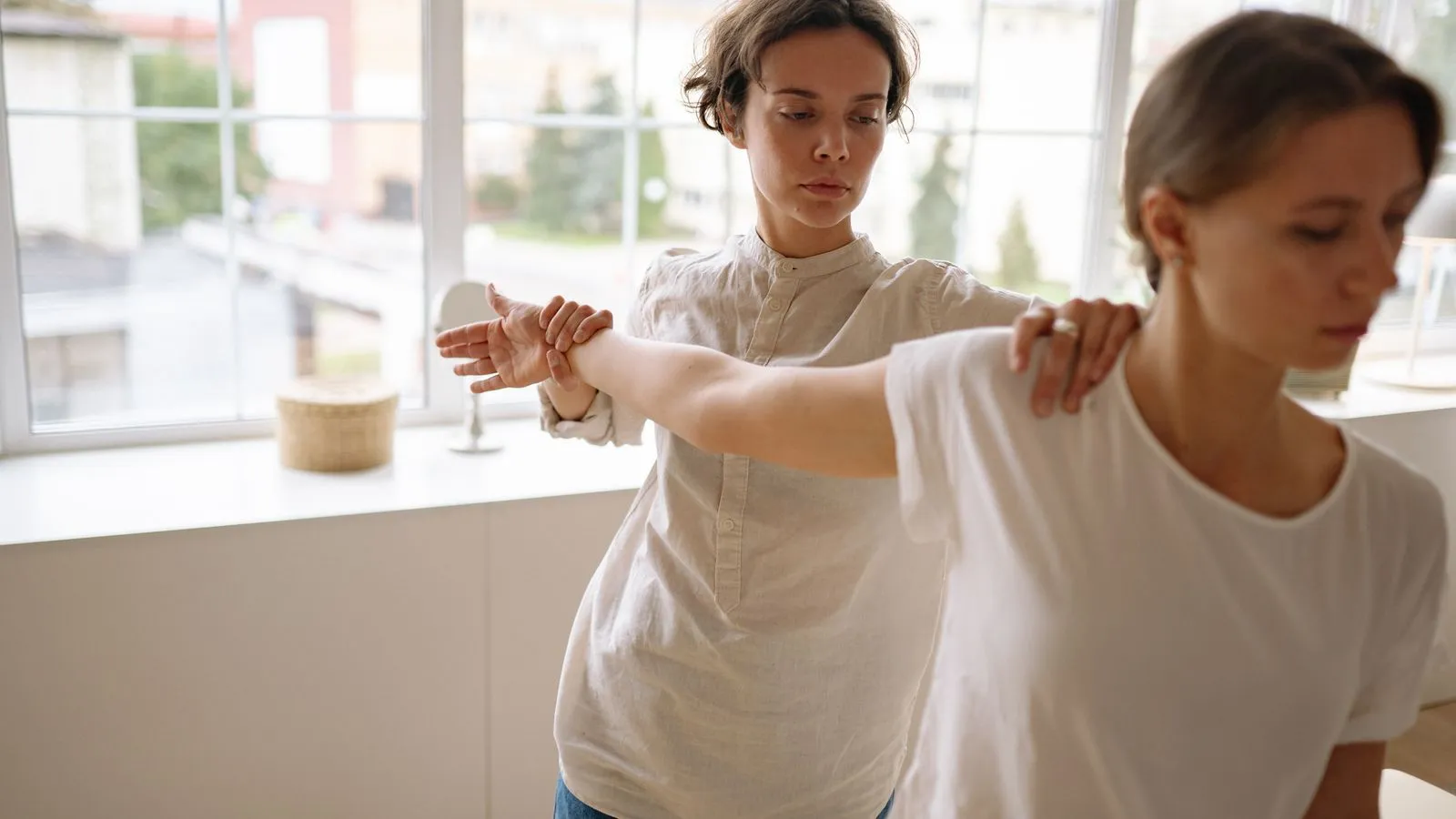
After birth, abdominal and pelvic floor recovery takes time. What diastasis is, when to start exercise, what to watch for, and when to see a doctor.
After childbirth the body enters a recovery process following months of change. The abdominal muscles have stretched, the pelvic floor has been strained and posture has shifted. In this period rushing and starting the wrong exercise too early can worsen symptoms; the right approach is gradual and individual. This article is about abdominal and pelvic floor recovery after birth — it is not about maternity leave or payments.
Rectus diastasis is very common after birth and in most women improves clearly over time with the right exercise. A simple check: lying on your back with knees bent, lift your head slightly and you may feel a gap and softness along the midline with your fingers. In the early period, classic sit-ups and strenuous abdominal moves are avoided, as they can increase the separation.
| Phase | Focus |
|---|---|
| Early (first weeks) | Breathing, gentle pelvic floor activation, posture, safe getting up and carrying |
| Middle | Gradual deep core and pelvic floor strengthening |
| Later | Gradual return to daily life and, if wished, sport |
Timing depends on the type of birth (vaginal/caesarean) and recovery; demanding exercises are planned with physician approval where needed.
Unless your doctor advises otherwise, the early period usually starts with:
These should not increase pain or bleeding; if they do, stop and have an assessment.
In the postpartum period, seek medical care promptly for heavy or foul-smelling bleeding, fever, one-sided leg swelling and pain (possible clot), severe abdominal pain, increasing pain and redness at an incision, or serious loss of bladder or bowel control. Do not skip routine check-ups.
In pelvic floor physiotherapy, the postnatal assessment addresses diastasis, pelvic floor function and posture together; the programme is built for the person and the recovery phase. For correct pelvic floor technique see how to do pelvic floor exercises, and if leakage accompanies it, what helps urinary incontinence.
How soon after birth can I start exercising? Breathing and gentle activation can usually begin early; demanding exercises are planned according to recovery and the type of birth, with physician approval where needed.
Does diastasis close completely? In most women the gap decreases clearly and function returns; the goal is not "perfect closure" but a strong, functional abdomen.
Will my belly return to how it was? Recovery varies between people; correct core and pelvic floor work supports both appearance and function. No exact duration or guarantee can be given.
Fzt. Aydın Ali assesses the abdomen (diastasis), pelvic floor and posture together in postnatal recovery in Bursa Nilüfer, running the programme gradually and individually.
Orthopaedics and Rehabilitation
Pain spreading to the shoulder and arm with numbness often comes not from the shoulder itself but from the neck. How to tell them apart, what helps, and when to see a doctor.
15 October 2026 · 3 min read
Orthopaedics and Rehabilitation
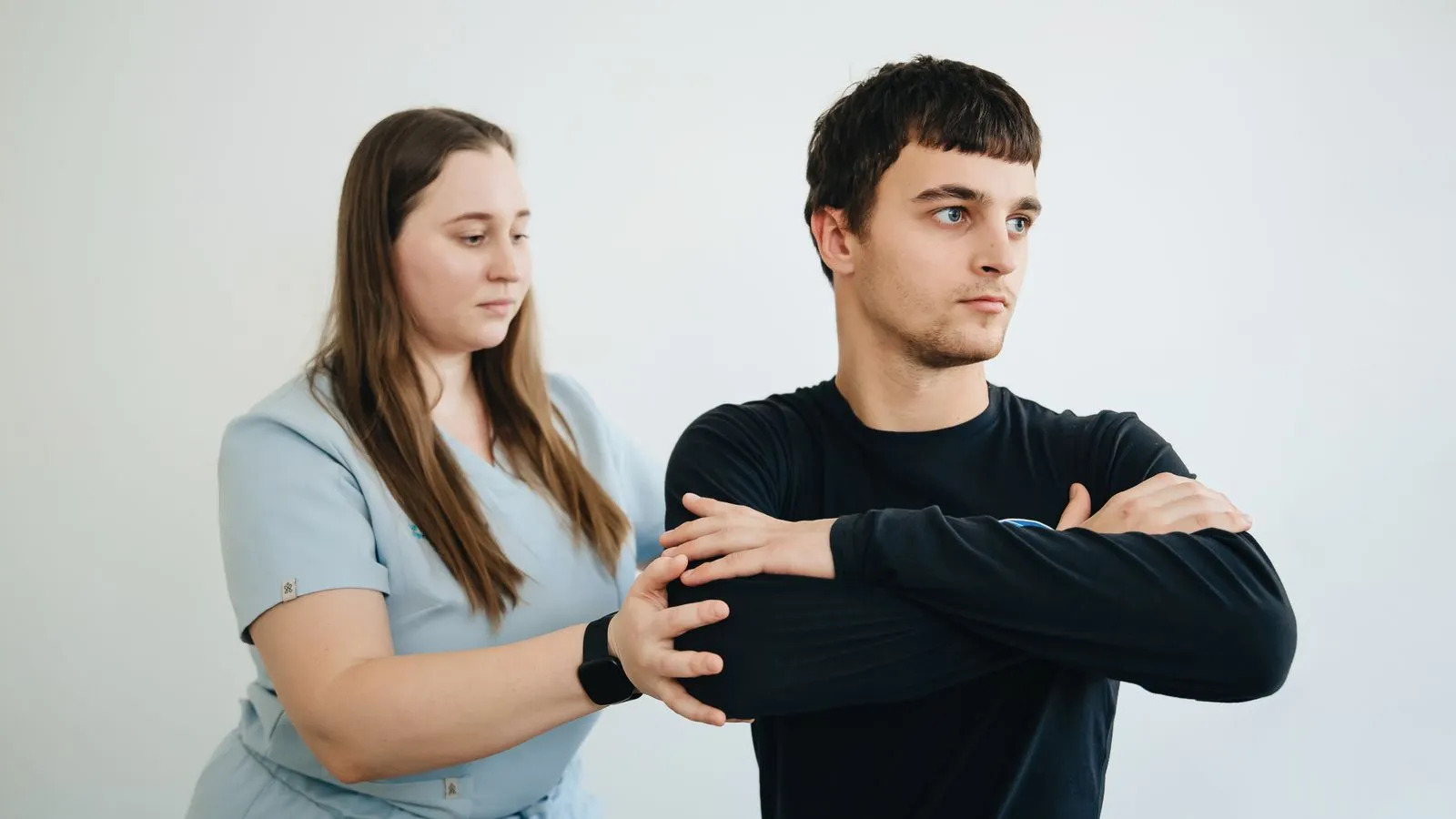
Catching pain at a certain angle when raising the arm to the side is often shoulder impingement. Why it happens, what to do at home, and when to see a doctor.
15 October 2026 · 3 min read
Orthopaedics and Rehabilitation
Shoulder pain has more than one cause. Impingement, frozen shoulder or referred from the neck? What helps in each, what to do at home, and when to see a doctor.
15 October 2026 · 4 min read
An evidence-based programme of graded exercise and pain education for widespread pain, fatigue and disturbed sleep.
For muscle pain that knots, cramps and will not settle: manual work first, strengthening second.
Hands-on techniques applied to joints and soft tissue, combined with exercise for a result that lasts.