
What Helps Urinary Incontinence? Types and Physiotherapy
Fizyoterapist Aydın Ali · 15 October 2026 · 3 min read
Fizyoterapist Aydın Ali · 15 October 2026 · 3 min read
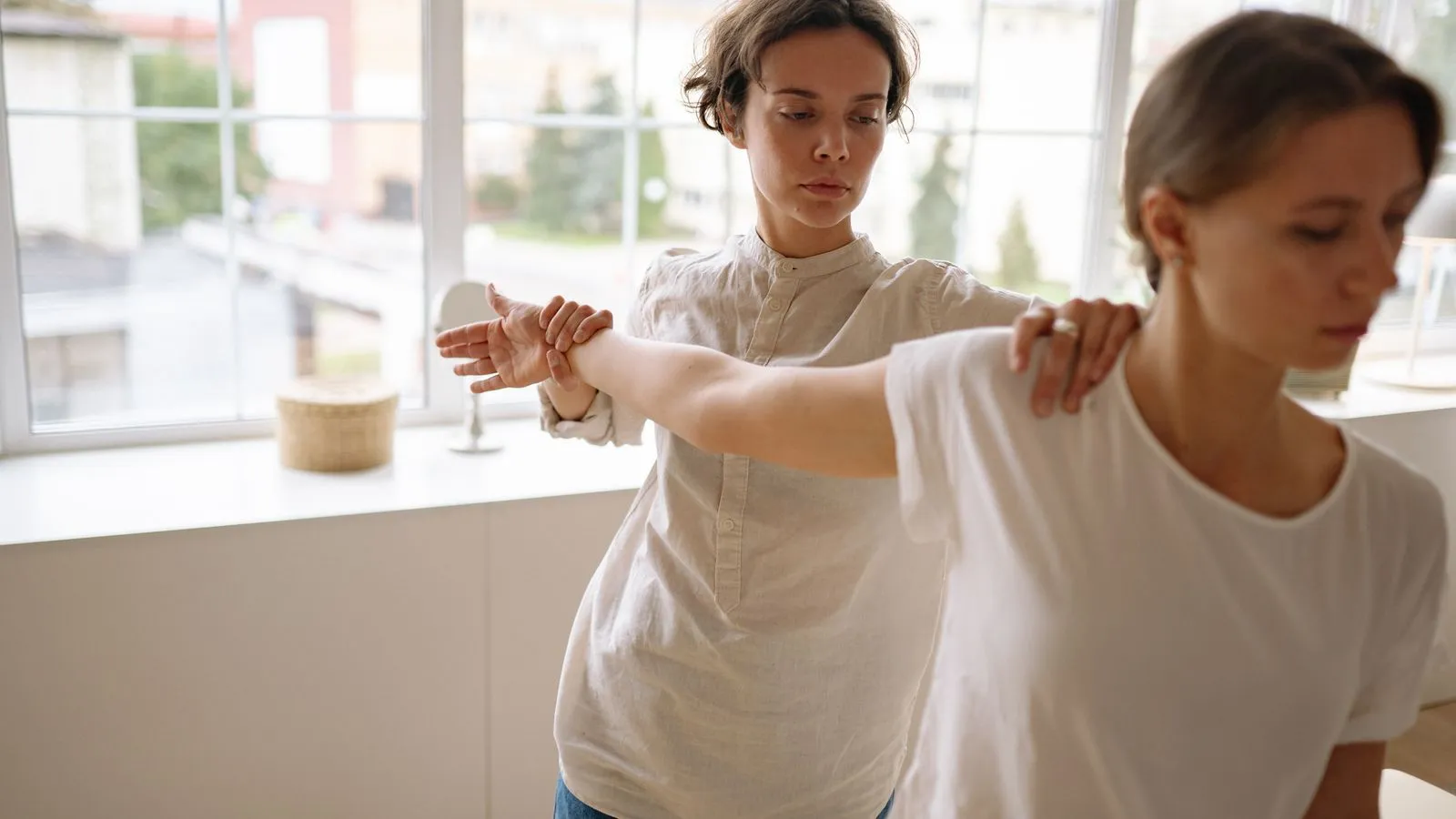
Incontinence is not one problem; stress and urge types are managed differently. What helps in each type, the role of pelvic floor exercise, and when to see a doctor.
Urinary incontinence is the involuntary leakage of urine, and it is far more common than people think; it can occur at any age but is neither "normal" nor "hopeless". The good news: in many types the first-line treatment is pelvic floor exercise and behavioural changes, and most people see clear benefit. But first you need to know the type, because the answer to "what helps" depends on it.
| Type | When it happens | Main approach |
|---|---|---|
| Stress type | Coughing, sneezing, laughing, jumping, heavy lifting | Pelvic floor muscle training |
| Urge type | Sudden, uncontrollable urgency; not reaching the toilet | Bladder training + pelvic floor |
| Mixed type | Both together | A combination of both |
| Overflow / other | Bladder not emptying fully, etc. | Medical assessment first |
This distinction decides treatment, so there is no single answer to "what helps incontinence".
Leaking when coughing or laughing is mostly related to pelvic floor weakness. Here, correctly done pelvic floor exercise is the first-line treatment and reduces leakage for most people. The key is finding the right muscle and preparing for sudden loads (contracting the pelvic floor just before a cough). We explain how in how to do pelvic floor exercises.
For sudden urgency, muscle strength alone is not enough; bladder training comes in: gradually extending the interval between toilet visits, techniques to calm urgency by contracting the pelvic floor instead of rushing, and adjusting fluids and caffeine. Pelvic floor work accompanies this.
"Herbal remedies for incontinence" is a common online search. The effect of herbal mixtures is not proven and some can be harmful; as a physiotherapist we do not recommend them. Medication is a physician's decision. Physiotherapy's field is evidence-based exercise and behavioural education.
See a urologist or gynaecologist first for: blood in the urine, burning and fever (infection), sudden-onset or rapidly worsening leakage, difficulty passing urine, a palpable prolapse in the pelvic area, or accompanying leg weakness or loss of sensation. These may point to a different cause.
Pelvic floor physiotherapy first assesses the type and the state of the pelvic floor (consent-based, with attention to privacy), finds the correct muscle and builds a programme suited to the type. Progress is tracked over weeks; the programme is kept regular for lasting results.
Does incontinence go away on its own? Some temporary situations (infection, the first weeks after childbirth) can resolve; but persistent leakage usually needs assessment and a programme.
Does exercise save me from surgery? In the stress type, exercise is the first step and benefits most people; the decision about surgery belongs to the physician and physiotherapy is a step tried beforehand.
Fzt. Aydın Ali first separates the type of incontinence in Bursa Nilüfer, running pelvic floor and bladder training to suit the person, in coordination with the physician.
Orthopaedics and Rehabilitation
Pain spreading to the shoulder and arm with numbness often comes not from the shoulder itself but from the neck. How to tell them apart, what helps, and when to see a doctor.
15 October 2026 · 3 min read
Orthopaedics and Rehabilitation
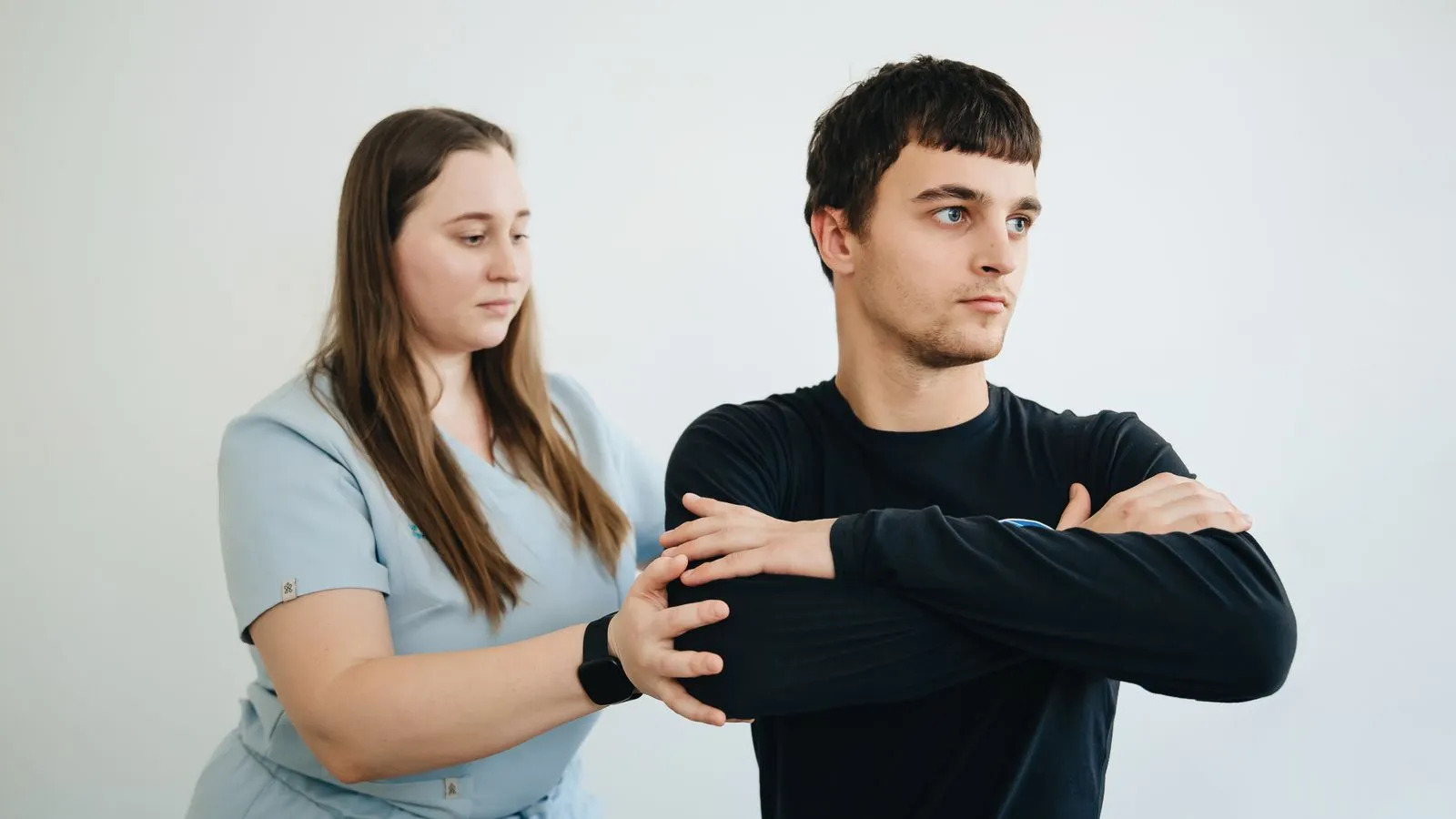
Catching pain at a certain angle when raising the arm to the side is often shoulder impingement. Why it happens, what to do at home, and when to see a doctor.
15 October 2026 · 3 min read
Orthopaedics and Rehabilitation
Shoulder pain has more than one cause. Impingement, frozen shoulder or referred from the neck? What helps in each, what to do at home, and when to see a doctor.
15 October 2026 · 4 min read
An evidence-based programme of graded exercise and pain education for widespread pain, fatigue and disturbed sleep.
For muscle pain that knots, cramps and will not settle: manual work first, strengthening second.
Hands-on techniques applied to joints and soft tissue, combined with exercise for a result that lasts.