What Helps Shoulder Pain? Causes and Exercises
Fizyoterapist Aydın Ali · 15 October 2026 · 4 min read
Fizyoterapist Aydın Ali · 15 October 2026 · 4 min read
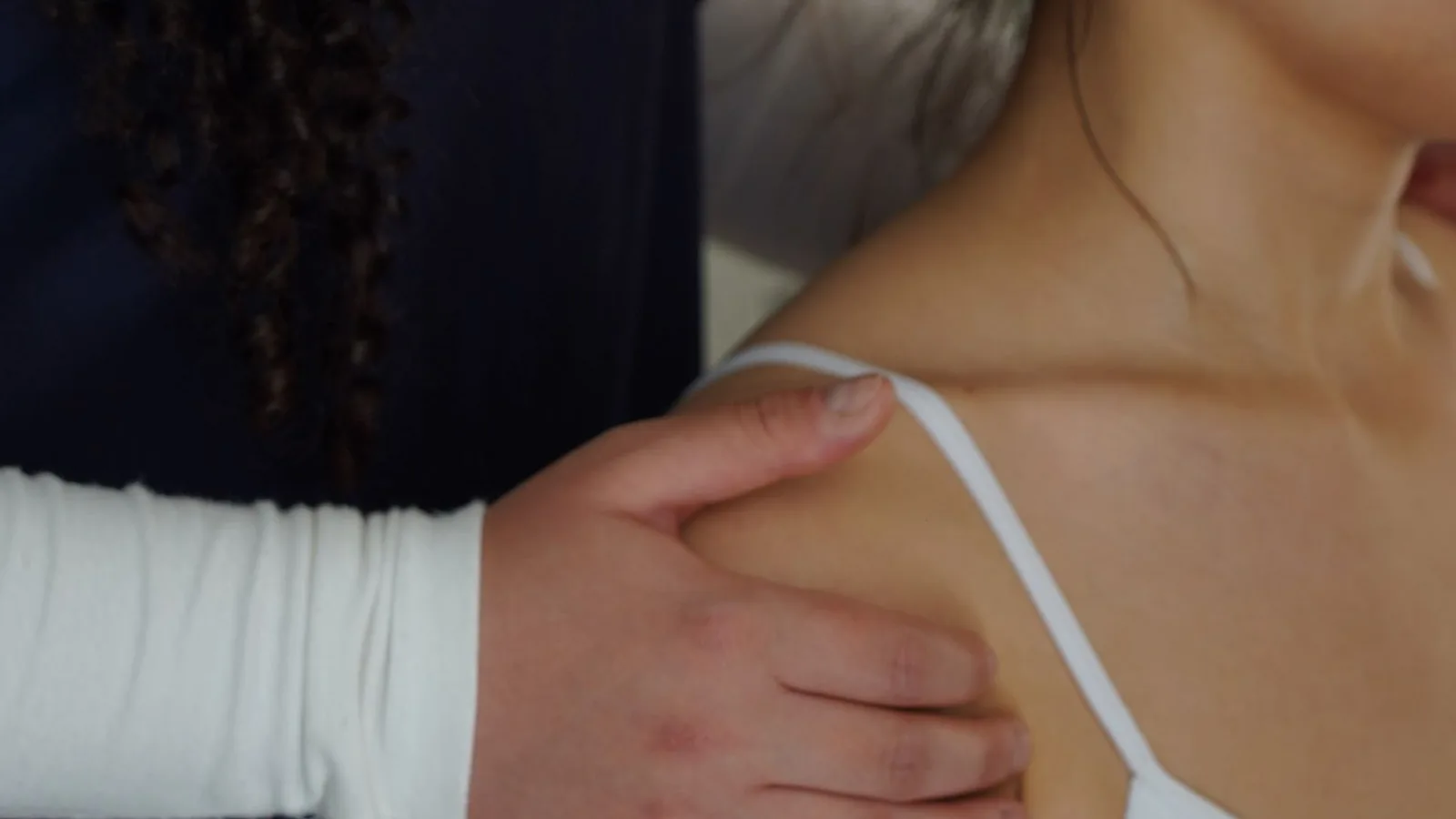
Shoulder pain has more than one cause. Impingement, frozen shoulder or referred from the neck? What helps in each, what to do at home, and when to see a doctor.
Shoulder pain is very common but has no single cause; the answer to "what helps shoulder pain" depends on where the pain comes from. The same "shoulder pain" can be impingement, a rotator cuff problem, frozen shoulder, or in fact pain referred from the neck. The right thing is to identify the source and adjust loading accordingly; most shoulder pain eases clearly with the right exercise, without medication or surgery.
| Cause | Typical symptom |
|---|---|
| Impingement syndrome | Pain at a certain angle when raising the arm to the side/up |
| Rotator cuff tendon problem | Weakness and pain when lifting and rotating the arm |
| Frozen shoulder | Both pain and marked loss of movement, night pain |
| Pain referred from the neck | Pain spreading to the shoulder blade or arm, changing with neck movement |
| Muscle tension / posture | Neck-shoulder tension after desk work |
This distinction matters: for example, doing shoulder exercises for neck-referred pain does not help. For symptoms suggesting a neck origin, see how neck hernia settles.
Whatever the source, the common themes that help most shoulder pain are:
These are commonly used and can be done at home as long as they do not increase pain:
Mild tension is expected; with sharp pain or an increase carrying into the next day, reduce the repetitions.
For new, sudden pain and swelling, cold can give short-term relief; for long-standing stiffness and muscle tension, warmth may be more comfortable. Neither is the treatment itself, just aids that make exercise easier.
"Herbal/cream/medication for shoulder pain" is searched a lot. Pain-relief creams can give short-term relief but do not solve the problem; the effect of herbal mixtures is not proven and, as a physiotherapist, we do not recommend them. Medication is a physician's decision. Lasting results come from the right exercise.
Deformity after a fall/impact or being unable to lift the arm at all (possible tear/fracture), pain that increases at rest at night and does not settle, fever-redness-swelling, widespread arm weakness or loss of sensation; in particular, left shoulder-arm pain together with chest pain, shortness of breath or sweating can be a sign of a cardiac emergency — call emergency services without delay.
In the shoulder pain assessment, it is first separated whether the pain really comes from the shoulder or the neck; if the shoulder, which structure is responsible is identified and the programme built accordingly. It is tracked with movement and strength measures. For a frozen shoulder picture see what frozen shoulder is and how long it lasts; for catching pain when lifting the arm, shoulder impingement syndrome.
How many days until shoulder pain settles? It depends on the cause and duration. New, load-related pain can ease in a few weeks; pictures like frozen shoulder take months. Regular exercise shortens the time.
Should I avoid using the painful arm completely? No. Complete rest makes the shoulder more likely to stiffen. Moving within a pain-free range matters.
Fzt. Aydın Ali first separates the source of shoulder pain (shoulder or neck) in Bursa Nilüfer, running the programme to strengthen the rotator cuff and scapular muscles, with measurements.
Orthopaedics and Rehabilitation
Pain spreading to the shoulder and arm with numbness often comes not from the shoulder itself but from the neck. How to tell them apart, what helps, and when to see a doctor.
15 October 2026 · 3 min read
Orthopaedics and Rehabilitation
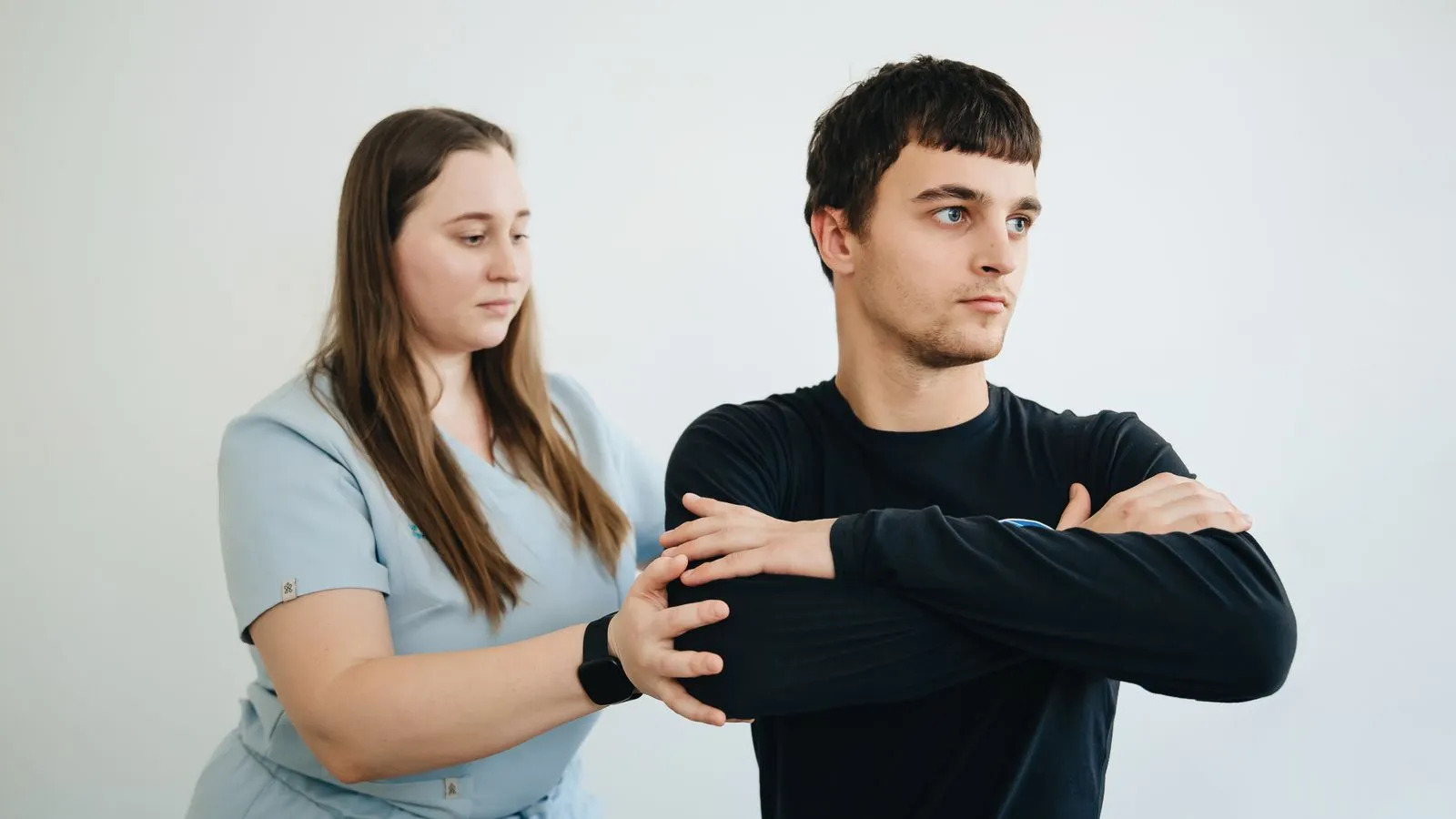
Catching pain at a certain angle when raising the arm to the side is often shoulder impingement. Why it happens, what to do at home, and when to see a doctor.
15 October 2026 · 3 min read
Pain and Quality of Life
After birth, abdominal and pelvic floor recovery takes time. What diastasis is, when to start exercise, what to watch for, and when to see a doctor.
15 October 2026 · 3 min read
Graded, measurement-based rehabilitation for joint problems and the period after orthopaedic surgery.
Strength-focused rehabilitation for meniscus and ligament injuries, cartilage wear and the period after surgery.
For heel pain that bites on the first step of the morning: shockwave, load management and a graded strengthening programme.